

Subscribe To Our Newsletter!
Subscribe to the newsletter to stay up to date with the latest news and most useful
Newsletter
↑
Back to Top



Product Overview |
|---|
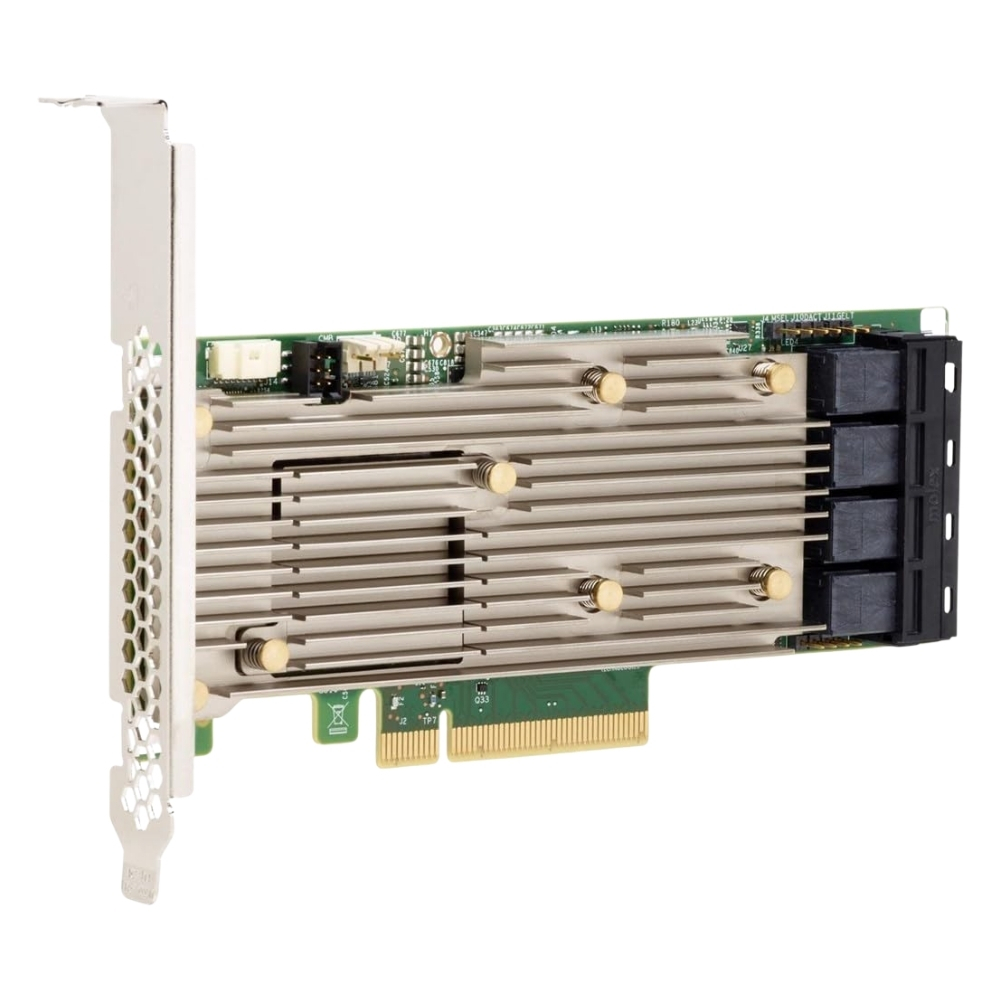
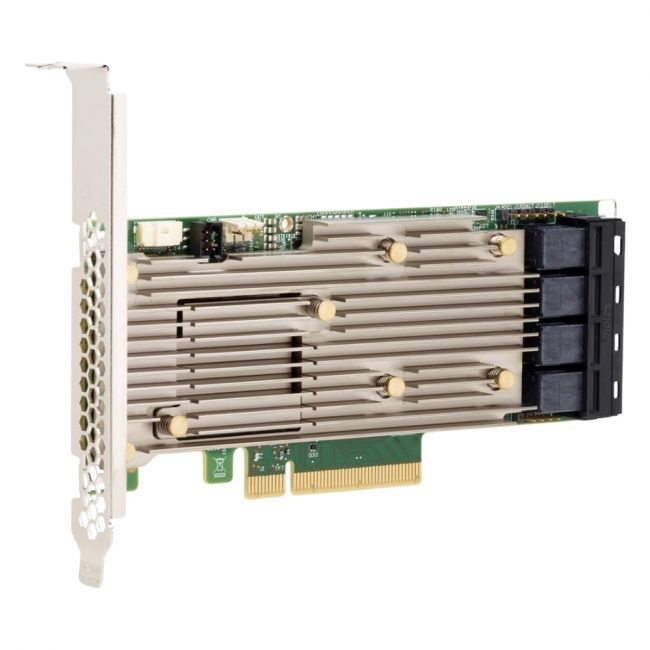
The SAS9460-16I RAID controller from Broadcom manages up to 16 drives across SAS, SATA, and NVMe interfaces. It fits into environments needing versatile and reliable storage management, blending high-speed data access with hardware-level RAID protection. This controller is a solid option for organizations looking to unify different drive types under a single RAID solution. |
General Information |
|
|---|---|
| Brand | Broadcom |
| Part Number | SAS9460-16I |
Technical Specification |
|
|---|---|
| Chipset | Broadcom SAS9460 Tri-Mode MegaRAID ROC |
| Host Interface | PCI Express 3.1 x8 (Gen3, up to 8.0 GT/s per lane) |
| Data Rate | 12Gb/s per SAS/SATA lane; PCIe 3.1 host interface |
| RAID Levels | RAID 0, RAID 1, RAID 5, RAID 6, RAID 10, RAID 50, RAID 60, JBOD (pass-through) |
| Cache | 2GB DDR4 onboard cache |
| Connectivity | SAS, SATA, NVMe (Tri-Mode) |
| Compatibility | PCIe 3.0/3.1 servers; supported OS: Windows Server, Red Hat Enterprise Linux (RHEL), SUSE Linux Enterprise Server (SLES), VMware ESXi (Broadcom/MegaRAID drivers required) |
Physical Characteristics |
|
|---|---|
| Form Factor | Low-profile PCIe add-in card |
| Weight | 5.00 |
| Condition | Refurbished |
Product Description |
|---|
The Broadcom SAS9460-16I is a high-capacity RAID controller built for managing large-scale storage arrays. It handles SAS, SATA, and NVMe drives simultaneously, making it versatile for various server and data center environments. Often found in enterprise servers and storage systems, this controller is designed to optimize data throughput while maintaining reliability. IT professionals and system administrators typically use this RAID controller to improve storage performance and ensure data integrity across multiple drive types. Its Tri-Mode architecture simplifies storage expansion and enhances system flexibility. Key Features
This RAID controller is typically deployed in data centers, enterprise servers, and storage arrays where a mix of drive types are common. It plays a key role in balancing speed and data protection for critical applications. Its ability to work with multiple protocols makes it a practical choice for systems requiring both high performance and flexible storage configurations. |
Use Cases |
|---|
The Broadcom SAS9460-16I RAID controller is commonly implemented in data centers and enterprise IT environments that require cohesive management of diverse storage media, including SAS, SATA, and NVMe drives. It is especially beneficial for IT administrators overseeing high-density storage arrays where high-throughput and flexible drive configurations are essential. How It's Used:
This controller supports operational efficiency by enabling seamless unification of multiple drive protocols, simplifying storage infrastructure management. Its scalability and hardware RAID support contribute to maintaining performance standards across evolving enterprise storage demands. |
 Shipping Options
 International Delivery
Requires a UPS, FedEx, or DHL account. Customers may arrange pickup from our US warehouse.
International Delivery
Requires a UPS, FedEx, or DHL account. Customers may arrange pickup from our US warehouse.
 Payment Methods
We accept Visa, Mastercard, AMEX, Discover, and Wire Transfer.
Payment Methods
We accept Visa, Mastercard, AMEX, Discover, and Wire Transfer.
 Purchase Orders
We process purchase orders for government agencies, enterprises, data centers, and SMBs.
Purchase Orders
We process purchase orders for government agencies, enterprises, data centers, and SMBs.