

Subscribe To Our Newsletter!
Subscribe to the newsletter to stay up to date with the latest news and most useful
Newsletter
↑
Back to Top



Product Overview |
|---|
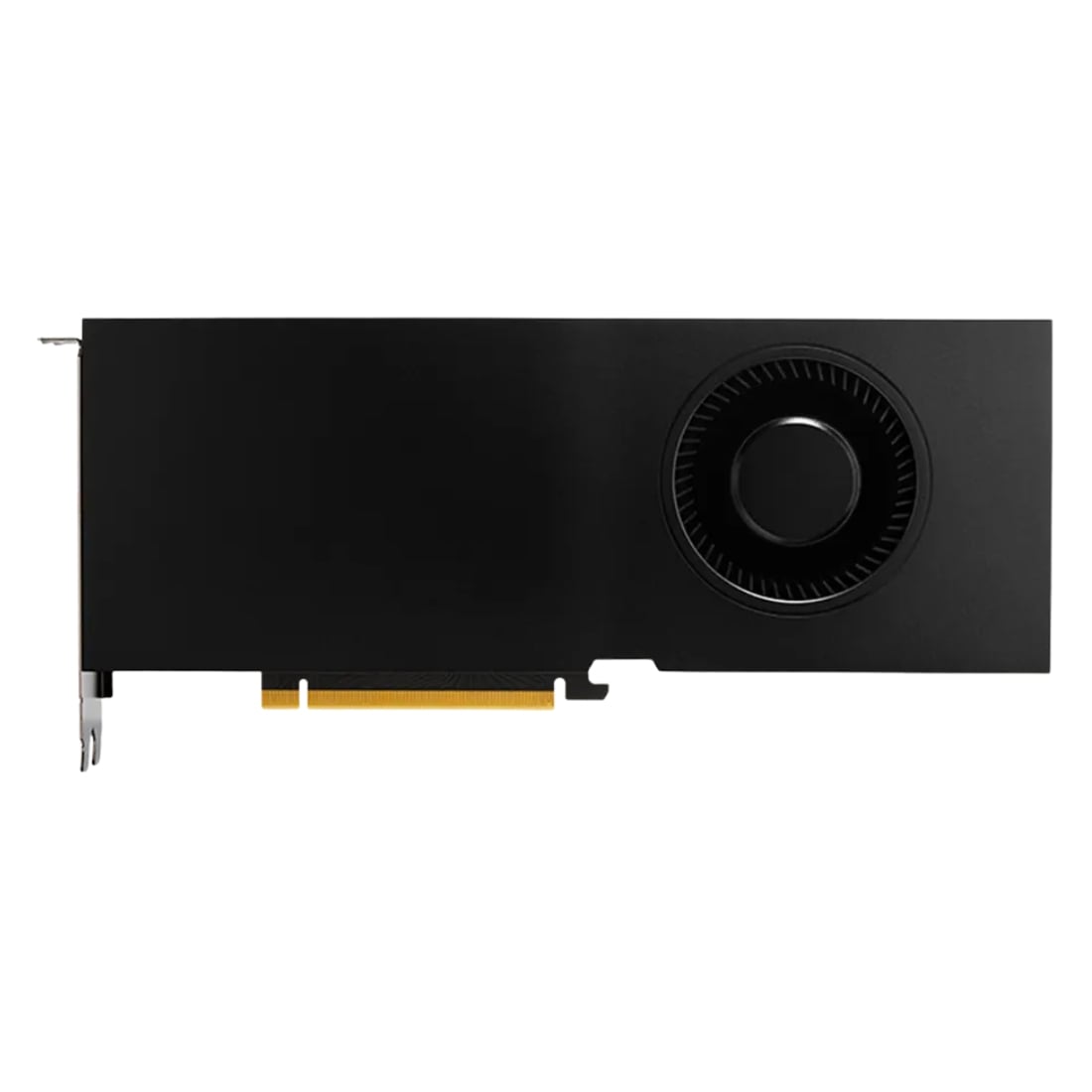
The PNY NVIDIA RTX 4500 Ada Generation is a professional-grade graphics card designed to manage complex workloads in graphics and AI. It combines a large memory buffer with the latest architecture to deliver efficient and precise performance, fitting seamlessly into demanding creative and computational environments. |
General Information |
|
|---|---|
| Brand | PNY Technologies |
| Part Number | RTX4500ADA |
Technical Information |
|
|---|---|
| Chipset | Nvidia |
| Bus Interface | PCI Express 4.0 x16 |
| Supported APIs | DirectX 12, OpenGL: 4.6, OpenCL, Vulkan: 1.3, CUDA, Shader Model: 6.7, DirectCompute |
Memory |
|
|---|---|
| Memory Size | 24GB |
| Interface | GDDR6 |
Physical Characteristics |
|
|---|---|
| Weight | 3.00 |
| Condition | Refurbished |
Miscellaneous |
|
|---|---|
| Assembly Required | Yes |
| Eco Friendly | Yes |
| Compliance Standards | WEEE, RoHS, cURus, CE, FCC, CCC, UL, TUV, cULus, CSA, cUL |
Product Description |
|---|
The PNY NVIDIA RTX 4500 Ada Generation graphics card is designed to handle demanding visual computing tasks with ease. It is commonly used in workstations for 3D rendering, CAD applications, and AI model training. Built for professionals who require reliable performance and detailed graphics, this card balances power and efficiency. Key Features
This card is often found in engineering studios, animation houses, and research labs. It helps professionals meet tight deadlines while maintaining high visual fidelity and computational accuracy. |
Use Cases |
|---|
The PNY NVIDIA RTX 4500 Ada 24GB GPU is optimized for professional environments that demand high computational power for graphics rendering and AI workloads. It is well-suited for creative studios, research labs, and enterprise IT settings where handling large datasets and complex simulations is routine. How It's Used:
By integrating the RTX 4500 Ada GPU, organizations can achieve higher throughput and responsiveness in demanding workloads. Its architecture supports scalability in multi-GPU configurations, enabling consistent performance gains across evolving computational requirements. |
 Shipping Options
 International Delivery
Requires a UPS, FedEx, or DHL account. Customers may arrange pickup from our US warehouse.
International Delivery
Requires a UPS, FedEx, or DHL account. Customers may arrange pickup from our US warehouse.
 Payment Methods
We accept Visa, Mastercard, AMEX, Discover, and Wire Transfer.
Payment Methods
We accept Visa, Mastercard, AMEX, Discover, and Wire Transfer.
 Purchase Orders
We process purchase orders for government agencies, enterprises, data centers, and SMBs.
Purchase Orders
We process purchase orders for government agencies, enterprises, data centers, and SMBs.