

Subscribe To Our Newsletter!
Subscribe to the newsletter to stay up to date with the latest news and most useful
Newsletter
↑
Back to Top



Product Overview |
|---|
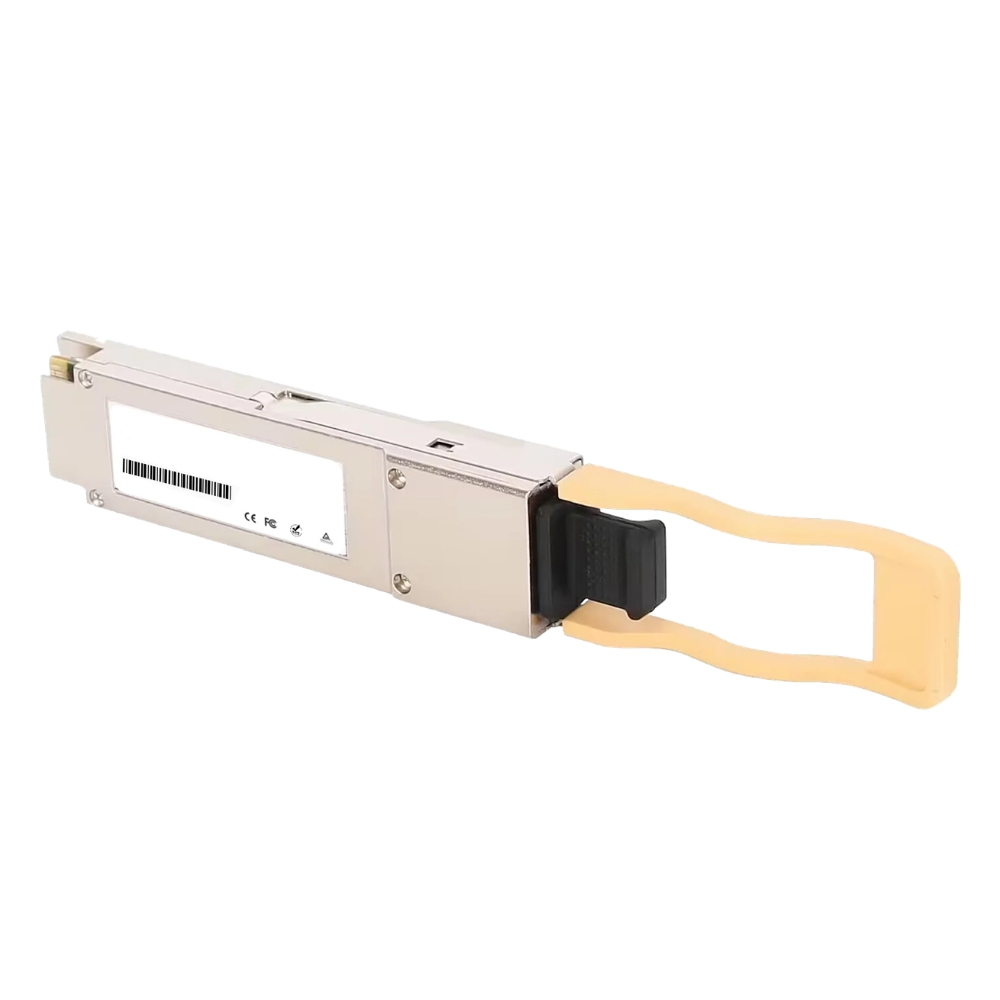
The HPE 200G QSFP56 SR4 MPO 100m Optical Transceiver delivers high-speed 200G connectivity with a compact QSFP56 form factor. It supports multimode fiber connections via MPO connectors and enables data transmission over distances up to 100 meters, making it suitable for modern data center networking infrastructure. |
General Information |
|
|---|---|
| Brand | HPE |
| Part Number | R5Z83A |
Technical Information |
|
|---|---|
| Media | MMF |
| Type | VCSEL |
| Protocols | 200G Ethernet |
| Connector | MTP/MPO |
| DOM Support | Yes |
Physical Characteristics |
|
|---|---|
| Weight | 3.00 |
| Condition | Refurbished |
Product Description |
|---|
The HPE 200G QSFP56 SR4 MPO optical transceiver is designed for high-performance data center networking environments requiring ultra-fast and reliable connectivity. It supports a 200 Gigabit Ethernet data rate over multimode fiber, optimized for short-range applications. This transceiver utilizes an MPO connector and operates effectively over distances up to 100 meters, making it ideal for inter-rack or intra-data center connections. The compact QSFP56 form factor ensures compatibility with a wide range of HPE networking devices. Key Features
Engineered to reduce latency and optimize bandwidth, this transceiver supports high-density deployments and simplifies network scaling. Its robust design and digital optical monitoring capabilities ensure reliable performance in demanding environments. |
Use Cases |
|---|
This transceiver is typically used in data center environments requiring high-bandwidth, short-reach optical connections. Network operators, cloud service providers, and enterprise IT teams benefit from its reliable performance and compatibility with existing HPE infrastructure. How It's Used:
By providing efficient 200G optical connectivity with a compact form factor, this transceiver helps maintain operational efficiency, supports network scalability, and ensures consistent high-performance data transmission. |
 Shipping Options
 International Delivery
Requires a UPS, FedEx, or DHL account. Customers may arrange pickup from our US warehouse.
International Delivery
Requires a UPS, FedEx, or DHL account. Customers may arrange pickup from our US warehouse.
 Payment Methods
We accept Visa, Mastercard, AMEX, Discover, and Wire Transfer.
Payment Methods
We accept Visa, Mastercard, AMEX, Discover, and Wire Transfer.
 Purchase Orders
We process purchase orders for government agencies, enterprises, data centers, and SMBs.
Purchase Orders
We process purchase orders for government agencies, enterprises, data centers, and SMBs.