

Subscribe To Our Newsletter!
Subscribe to the newsletter to stay up to date with the latest news and most useful
Newsletter
↑
Back to Top



Product Overview |
|---|
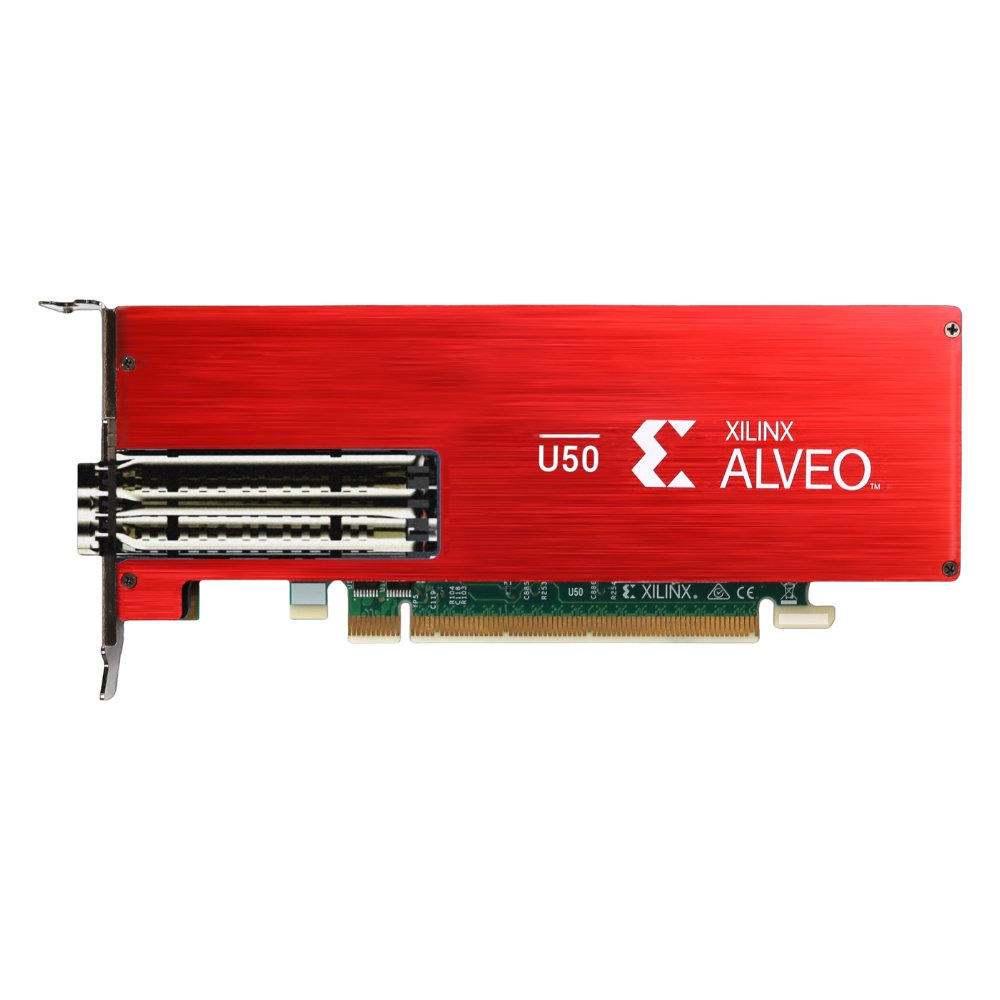
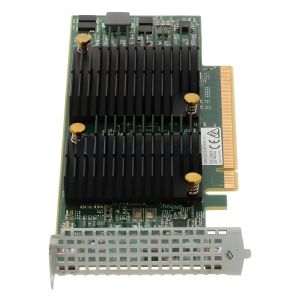
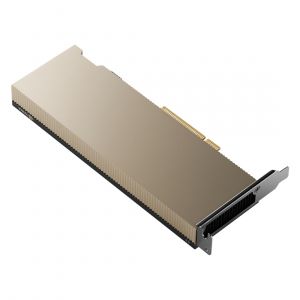
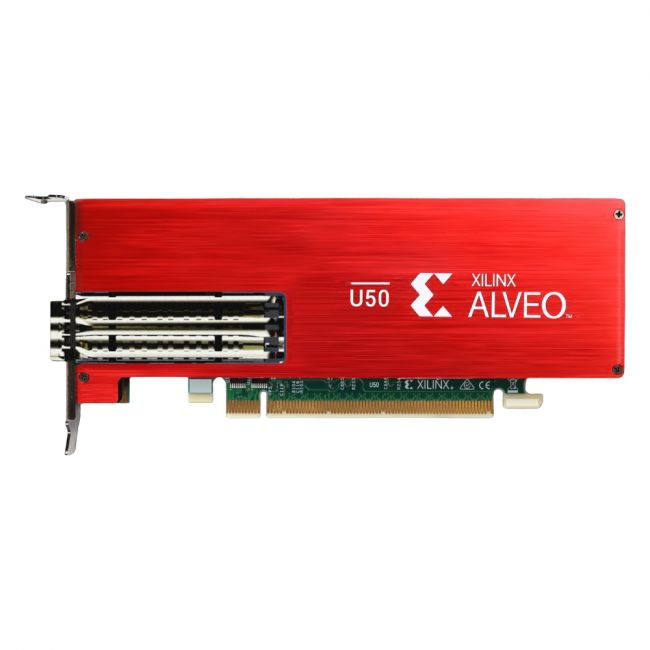
The HPE Xilinx Alveo U50 Data Center Accelerator Card is engineered to provide hardware acceleration for data center applications. It fits into PCIe Gen4 slots, enabling faster data throughput and enhanced compute capabilities within enterprise server infrastructures. |
General Information |
|
|---|---|
| Brand | HPE |
Technical Information |
|
|---|---|
| Chipset | AMD |
| Interface / PCIe Slot | PCIe 4.0 x16 |
| Supported Frameworks | OpenCL |
| Cooling Type | Passive |
| Power Connector | None (slot-powered) |
Memory |
|
|---|---|
| Interface | HBM2 |
Miscellaneous |
|
|---|---|
| Assembly Required | No |
| Compliance Standards | WEEE, RoHS, CE, FCC |
Physical Characteristics |
|
|---|---|
| Form Factor | Full-Height Full-Length (FHFL) |
| Weight | 3.00 |
| Condition | Refurbished |
Product Description |
|---|
The HPE Xilinx Alveo U50 Data Center Accelerator Card (PCIe Gen4) is built to enhance data center computing by accelerating complex workloads. It is typically deployed in enterprise server environments where demanding data processing and analytics tasks are required. This accelerator card is commonly used by IT professionals and data center operators seeking to increase efficiency in data-intensive applications. Key Features
The HPE Xilinx Alveo U50 card serves a critical role in augmenting server capabilities by offloading specific tasks from CPUs. This helps optimize resource utilization and can improve processing times for specialized workloads. |
Use Cases |
|---|
This accelerator card is typically used in data center environments requiring enhanced processing power for specialized workloads. It benefits IT teams managing applications that demand hardware acceleration to optimize performance. How It's Used:
Overall, the HPE Xilinx Alveo U50 accelerator card plays a valuable role in augmenting server processing capabilities. It allows organizations to tailor their infrastructure for specific compute tasks without broad overhauls. |
FAQ's |
|---|
|
 Shipping Options
 International Delivery
Requires a UPS, FedEx, or DHL account. Customers may arrange pickup from our US warehouse.
 Payment Methods
We accept Visa, Mastercard, AMEX, Discover, and Wire Transfer.
 Purchase Orders
We process purchase orders for government agencies, enterprises, data centers, and SMBs.