

Subscribe To Our Newsletter!
Subscribe to the newsletter to stay up to date with the latest news and most useful
Newsletter
↑
Back to Top



Product Overview |
|---|
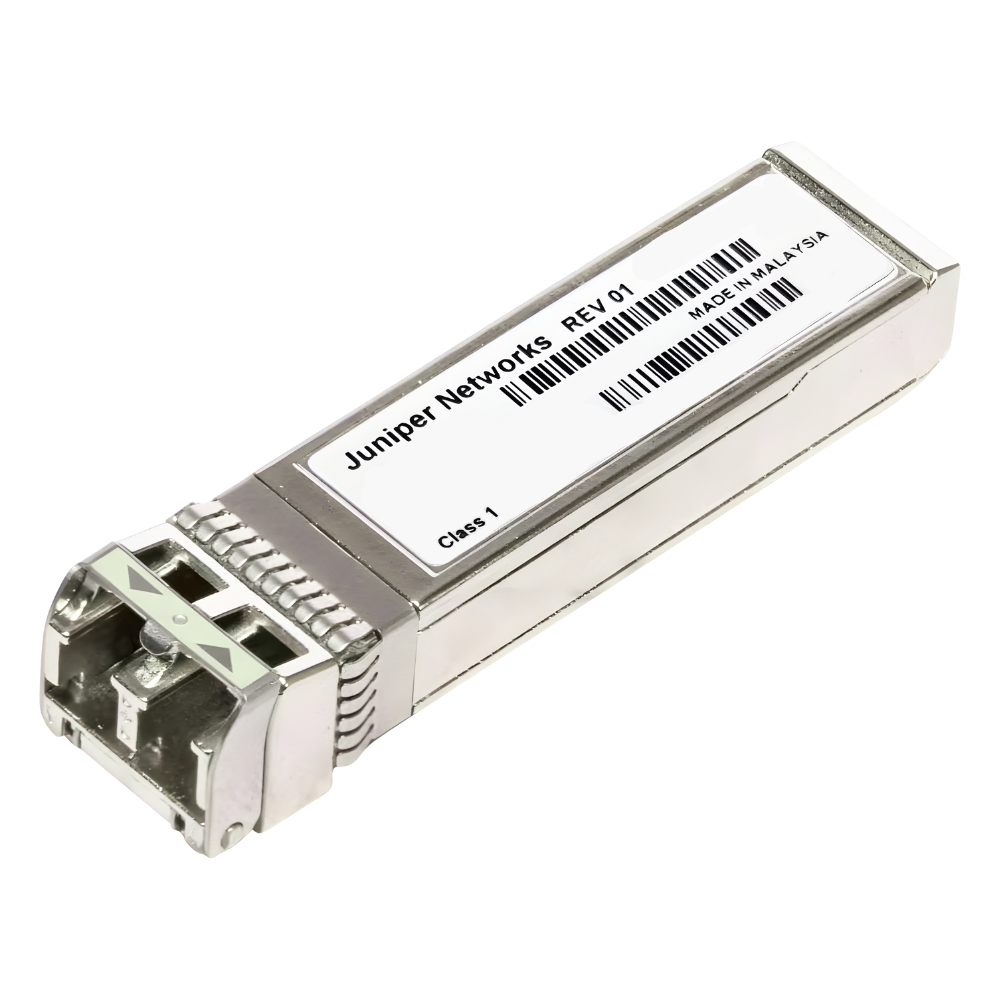
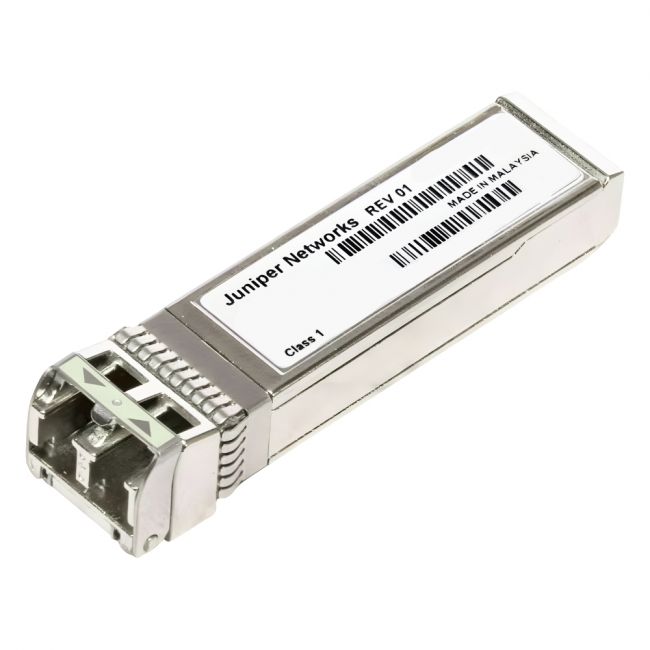
The QSFP-100G-SR4-T2 module offers 100Gbps data rates over multimode fiber, using four parallel optical lanes. It fits into QSFP28 slots, supporting short-range, high-bandwidth links typically used inside data centers or enterprise environments, balancing speed and distance requirements without excessive complexity. |
General Information |
|
|---|---|
| Brand | Juniper Networks |
Technical Information |
|
|---|---|
| Form Factor | QSFP28 |
| Media | MMF |
| Type | VCSEL |
| Power Consumption | 3.5W |
| Protocols | 100GBase-SR4,IEEE 802.3bm |
| Connector | MTP/MPO |
| DOM Support | Yes |
Physical Characteristics |
|
|---|---|
| Weight | 3.00 |
| Condition | Refurbished |
Product Description |
|---|
The QSFP-100G-SR4-T2 is a compact transceiver module designed for high-speed data transmission over multimode fiber. It is commonly found in data center networks and enterprise interconnects, providing reliable 100Gbps links. Engineered for network engineers and system integrators, the module facilitates efficient bandwidth scaling in dense network environments. Key Features
This transceiver plays a crucial role in enabling fast and stable optical connections within network racks and across short distances. Its consistent performance and adherence to standards ensure dependable data transfer rates critical for modern network infrastructures. |
Use Cases |
|---|
This transceiver is mainly deployed in data centers and enterprise networks where short-range, high-throughput connections are essential. It benefits network teams managing high-density optical infrastructure requiring scalable, efficient links between switches or servers. How It's Used:
By integrating this transceiver, networks gain the necessary throughput to handle demanding workloads while maintaining manageable power and heat profiles. It supports smooth scaling and efficient data flow in dense optical environments. |
 Shipping Options
 International Delivery
Requires a UPS, FedEx, or DHL account. Customers may arrange pickup from our US warehouse.
International Delivery
Requires a UPS, FedEx, or DHL account. Customers may arrange pickup from our US warehouse.
 Payment Methods
We accept Visa, Mastercard, AMEX, Discover, and Wire Transfer.
Payment Methods
We accept Visa, Mastercard, AMEX, Discover, and Wire Transfer.
 Purchase Orders
We process purchase orders for government agencies, enterprises, data centers, and SMBs.
Purchase Orders
We process purchase orders for government agencies, enterprises, data centers, and SMBs.