

Subscribe To Our Newsletter!
Subscribe to the newsletter to stay up to date with the latest news and most useful
Newsletter
↑
Back to Top



Product Overview |
|---|
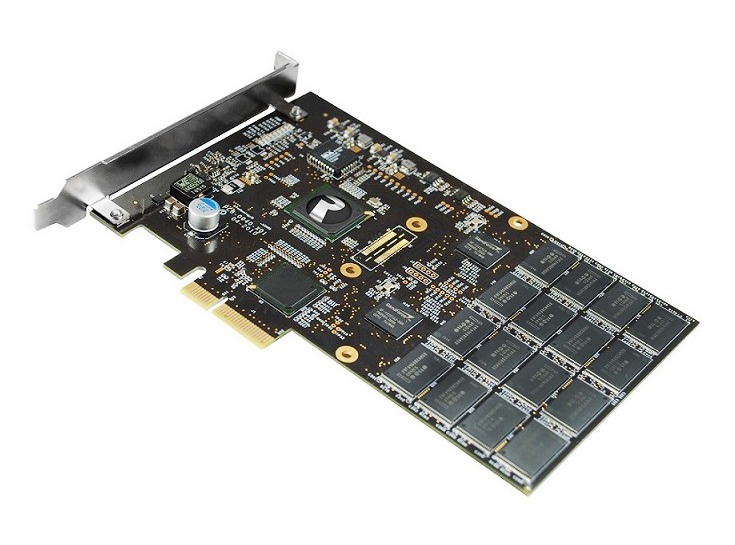
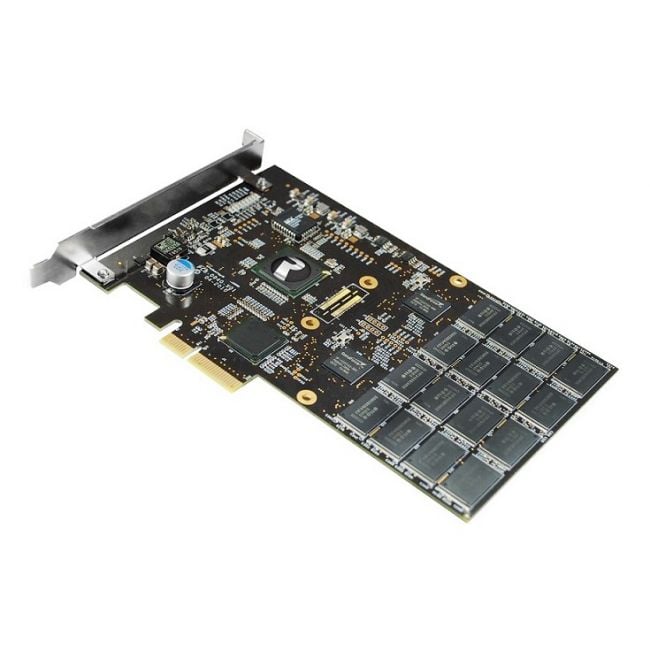
The QM2-2P-384 dual M.2 PCIe SSD expansion card is a practical solution for expanding storage performance in QNAP NAS units. It fits into the PCIe slots to support two NVMe SSDs, enhancing speed and flexibility in storage configurations without adding bulky drives. |
General Information |
|
|---|---|
| Brand | QNAP |
| Part Number | QM2-2P-384 |
Technical Information |
|
|---|---|
| Ports | 2 |
| Connector Type | M.2 |
| product type | Expansion Card |
| Product Category | Expansion Modules |
Physical Characteristics |
|
|---|---|
| Form Factor | PCIe expansion card |
| Weight | 5.00 |
| Condition | Refurbished |
Miscellaneous |
|
|---|---|
| Eco Friendly | Yes |
| Compliance Standards | RoHS, CE, FCC |
Product Description |
|---|
The QM2-2P-384 is designed to boost your QNAP NAS's storage capabilities by providing two dedicated M.2 NVMe SSD slots. It allows users to add fast SSD caching or additional storage without occupying traditional drive bays. Often installed in home or small business NAS setups, this expansion card helps improve overall system responsiveness and data throughput, especially for demanding applications like video editing or virtual machines. Key Features
This card is commonly deployed in environments where faster data access is critical, such as creative studios or enterprise NAS setups. It plays a vital role in speeding up workflows by reducing storage bottlenecks. |
Use Cases |
|---|
The QM2-2P-384 expansion card is designed for QNAP NAS systems requiring enhanced storage performance and flexibility. It is particularly beneficial for IT environments where high-speed data access and low latency are critical, such as virtualization platforms or intensive data analytics workloads. How It's Used:
By integrating dual NVMe SSDs directly into QNAP NAS via PCIe Gen3 x8, this card supports scalable performance improvements while minimizing hardware footprint. It enables IT administrators to tailor storage architectures that meet evolving workload demands efficiently. |
 Shipping Options
 International Delivery
Requires a UPS, FedEx, or DHL account. Customers may arrange pickup from our US warehouse.
International Delivery
Requires a UPS, FedEx, or DHL account. Customers may arrange pickup from our US warehouse.
 Payment Methods
We accept Visa, Mastercard, AMEX, Discover, and Wire Transfer.
Payment Methods
We accept Visa, Mastercard, AMEX, Discover, and Wire Transfer.
 Purchase Orders
We process purchase orders for government agencies, enterprises, data centers, and SMBs.
Purchase Orders
We process purchase orders for government agencies, enterprises, data centers, and SMBs.