

Subscribe To Our Newsletter!
Subscribe to the newsletter to stay up to date with the latest news and most useful
Newsletter
↑
Back to Top



Product Overview |
|---|
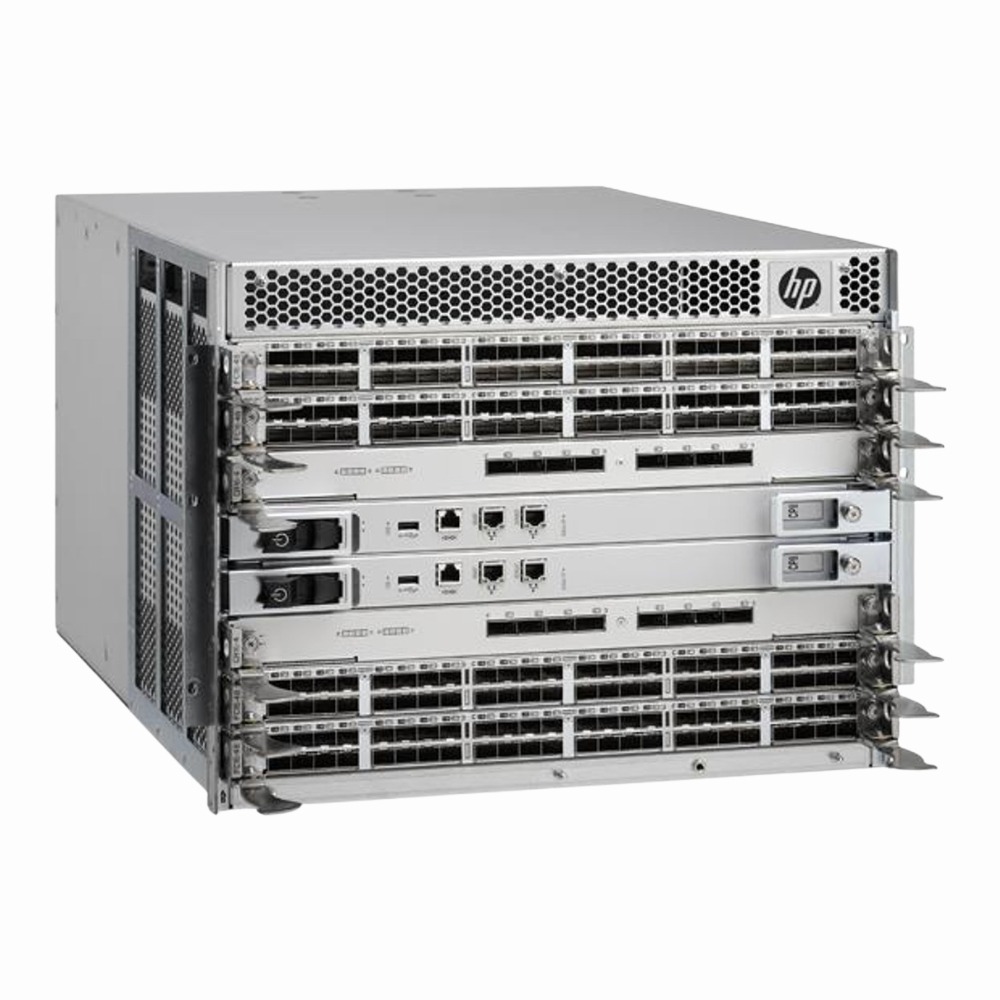
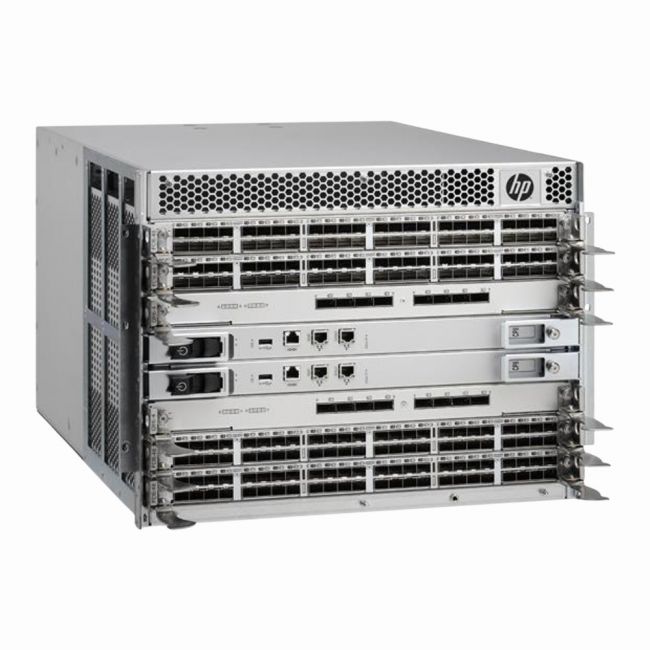
The HP StoreFabric SN8000B 32-Port Fibre Channel Blade Switch offers a dense, high-speed connection point within blade server environments, enabling robust storage networking. It's designed to handle demanding SAN traffic in enterprise data centers, ensuring efficient and reliable data transport without taking up excessive space. |
General Information |
|
|---|---|
| Brand | HP |
| Part Number | QK713C |
| Condition | Refurbished |
Technical Information |
|
|---|---|
| Switch Ports | 32 |
| Number of Ports | 32-Ports |
| Port Type | SFP+ |
| Port Speed | 16Gb/s |
| POE Support | No |
| Switching Capacity | 1024 Gbps |
| VLAN Support | No |
| Stackable | No |
| Layer Support | Layer 2 |
| Connector Type | SFP+ |
Management and Configuration |
|
|---|---|
| Remote Protocols | Yes |
| Management Interfaces | CLI, Web GUI, SNMP, SSH |
| Security Features | Zoning |
| Remote Management Protocol | SSH, SNMP, HTTP/HTTPS |
Physical Characteristics |
|
|---|---|
| Weight | 5.00 |
Product Description |
|---|
The HP StoreFabric SN8000B 32-Port Fibre Channel Blade Switch is built for managing large-scale storage area networks with high throughput and low latency. It is often found in data centers where robust and reliable connectivity between servers and storage arrays is critical. This switch is commonly used in enterprise environments by network administrators and IT professionals looking to streamline storage traffic and maintain consistent performance levels. Its blade form factor allows it to fit neatly within existing chassis infrastructures, saving valuable rack space. Key Features
These switches are typically deployed in large enterprise data centers, facilitating fast and reliable communication between storage systems and servers. They help maintain smooth data workflows, making them a cornerstone component for storage networks handling demanding workloads. |
Use Cases |
|---|
The QK713C HP 32-Port 16Gb/s Fibre Channel Blade Switch SN8000B is primarily deployed in enterprise data centers where high-speed, reliable SAN connectivity is critical. It is well-suited for IT teams managing dense blade server environments that require optimized storage traffic management to support virtualization, large-scale databases, and mission-critical applications. How It's Used:
This blade switch enhances operational efficiency by providing dense port configurations that save physical space while maintaining high data throughput. Its design supports scalable network expansion, enabling organizations to accommodate growing storage needs without compromising performance or manageability. |
 Shipping Options
 International Delivery
Requires a UPS, FedEx, or DHL account. Customers may arrange pickup from our US warehouse.
International Delivery
Requires a UPS, FedEx, or DHL account. Customers may arrange pickup from our US warehouse.
 Payment Methods
We accept Visa, Mastercard, AMEX, Discover, and Wire Transfer.
Payment Methods
We accept Visa, Mastercard, AMEX, Discover, and Wire Transfer.
 Purchase Orders
We process purchase orders for government agencies, enterprises, data centers, and SMBs.
Purchase Orders
We process purchase orders for government agencies, enterprises, data centers, and SMBs.