

Subscribe To Our Newsletter!
Subscribe to the newsletter to stay up to date with the latest news and most useful
Newsletter
↑
Back to Top



Product Overview |
|---|
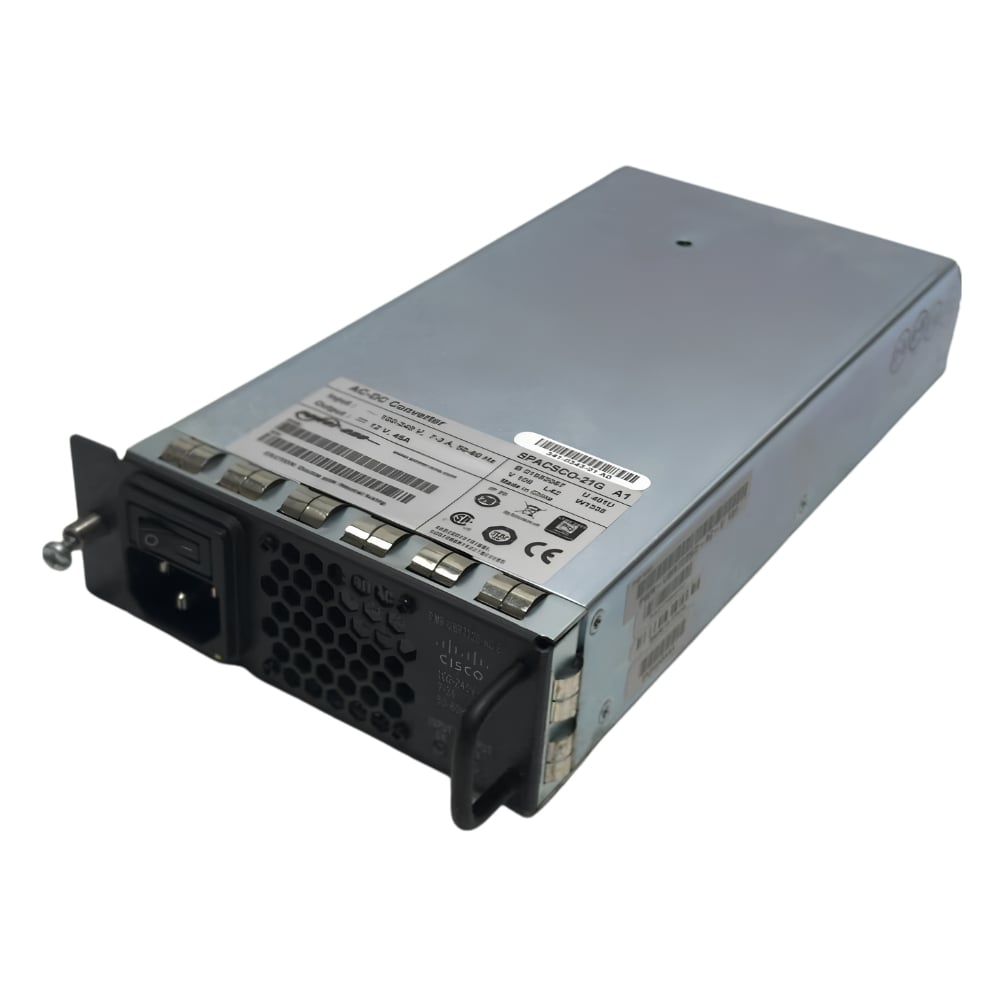
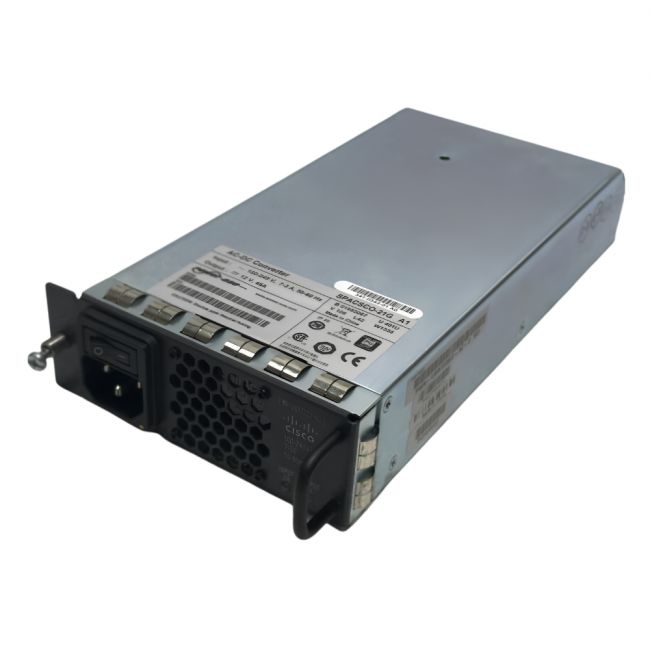
The PWR-UBR7225-AC-E is an internal power supply made for Cisco’s Wide Area Virtualization Engine 594 and 694 models. It provides reliable 540 watts of power from a broad range of AC voltages, ensuring these devices have the stable energy they need to function smoothly. This power supply fits directly inside the unit, simplifying deployment and helping maintain consistent network performance in enterprise settings. |
General Information |
|
|---|---|
| Brand | Cisco |
| Part Number | PWR-UBR7225-AC-E |
| Product Type | Desktop Power Supply |
| Condition | Refurbished |
Technical Information |
|
|---|---|
| Input Voltage | 100-240V AC |
| Input Frequency | 50-60 Hz |
| Output | 12V DC |
| Cooling Type | Active Fan |
| Modularity | Non-Modular |
| rail_design | Single 12V Rail |
| Number of Fans | 1 |
Compatibility |
|
|---|---|
| Form Factor | Proprietary |
| Compatible For | Wide Area Virtualization Engine 594 / 694 / WAVE 594 / WAVE 694 |
Physical Characteristics |
|
|---|---|
| Weight | 3.00 |
Certifications and Environmental |
|
|---|---|
| Compliance Standards | WEEE, RoHS, CE, FCC, UL, cULus |
Product Description |
|---|
This internal power supply is built to deliver consistent and efficient power to Cisco Wide Area Virtualization Engine 594 and 694 routers. It converts standard AC input voltages between 100 and 240 volts into the stable power required for optimal device operation. Commonly used in enterprise network environments, the power supply ensures these WAN optimization devices maintain high availability and performance. IT professionals managing critical infrastructure benefit from its reliable power delivery, minimizing downtime risks. Key Features
This power supply is usually installed within enterprise router setups or network equipment racks. It plays a critical role in maintaining uninterrupted service for WAN optimization devices, which help improve application performance across distributed networks. |
 Shipping Options
 International Delivery
Requires a UPS, FedEx, or DHL account. Customers may arrange pickup from our US warehouse.
International Delivery
Requires a UPS, FedEx, or DHL account. Customers may arrange pickup from our US warehouse.
 Payment Methods
We accept Visa, Mastercard, AMEX, Discover, and Wire Transfer.
Payment Methods
We accept Visa, Mastercard, AMEX, Discover, and Wire Transfer.
 Purchase Orders
We process purchase orders for government agencies, enterprises, data centers, and SMBs.
Purchase Orders
We process purchase orders for government agencies, enterprises, data centers, and SMBs.