

Subscribe To Our Newsletter!
Subscribe to the newsletter to stay up to date with the latest news and most useful
Newsletter
↑
Back to Top



Product Overview |
|---|
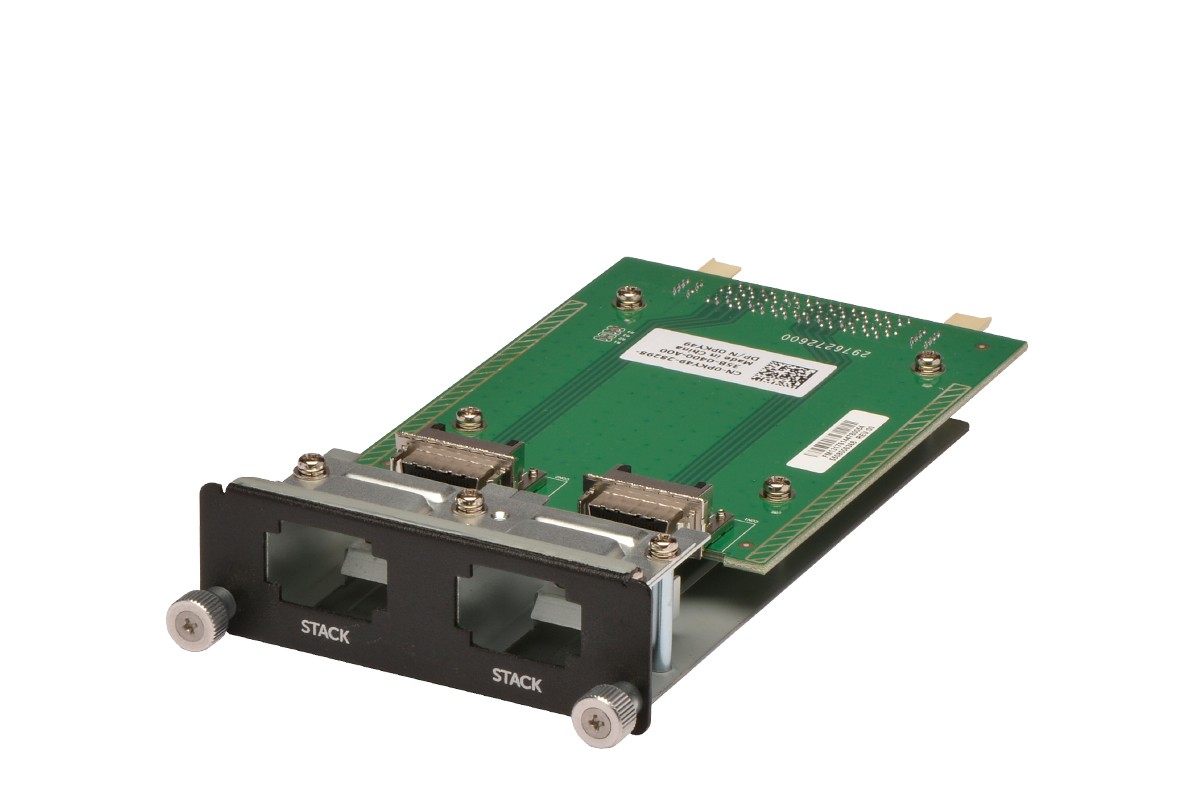
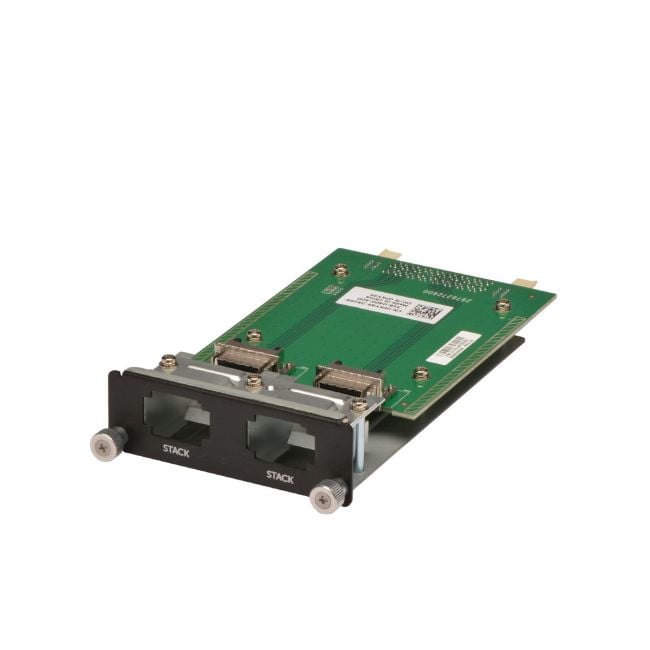
The Dell Force10 2 x Ports 12Gb/s Stacking Module provides a straightforward way to link multiple compatible switches into a single logical unit, boosting network bandwidth and simplifying management across enterprise or data center deployments. |
General Information |
|
|---|---|
| Brand | Dell |
| Part Number | PKY49 |
Technical Information |
|
|---|---|
| Ports | 2 |
| Compatibility | Dell Force10 switches |
| Connector Type | Proprietary stacking connector |
Physical Characteristics |
|
|---|---|
| Weight | 5.00 |
| Condition | Refurbished |
Miscellaneous |
|
|---|---|
| Assembly Required | Yes |
| Eco Friendly | Yes |
| Compliance Standards | WEEE, RoHS, cURus, CE, FCC, CCC, UL, TUV, cULus, CSA, cUL |
Product Description |
|---|
This Dell Force10 stacking module adds two high-speed 12Gb/s ports designed to connect compatible Dell Force10 switches in a stack. It allows multiple switches to operate as a single unit, improving network capacity and simplifying configuration. Often found in data centers and enterprise network setups, this module is built for IT professionals looking to expand switch performance and streamline network topology. Key Features
This stacking module is typically deployed in environments where network performance and scalability are essential, such as enterprise campuses or data centers. It plays a key role in maintaining efficient, manageable switch networks without compromising speed or reliability. |
Use Cases |
|---|
The PKY49 Dell 2x12Gb/s Stacking Module is primarily utilized in enterprise and data center environments where multiple Dell Force10 switches require high-bandwidth interconnection. IT infrastructure teams and network administrators leverage this module to consolidate switch management and enhance scalability in complex network topologies. How It's Used:
This stacking module supports operational efficiency by enabling switches to function as a single logical unit, reducing management overhead while providing scalability for growing network demands. It ensures performance consistency across interconnected switches, critical for environments requiring robust and continuous network connectivity. |
 Shipping Options
 International Delivery
Requires a UPS, FedEx, or DHL account. Customers may arrange pickup from our US warehouse.
International Delivery
Requires a UPS, FedEx, or DHL account. Customers may arrange pickup from our US warehouse.
 Payment Methods
We accept Visa, Mastercard, AMEX, Discover, and Wire Transfer.
Payment Methods
We accept Visa, Mastercard, AMEX, Discover, and Wire Transfer.
 Purchase Orders
We process purchase orders for government agencies, enterprises, data centers, and SMBs.
Purchase Orders
We process purchase orders for government agencies, enterprises, data centers, and SMBs.