

Subscribe To Our Newsletter!
Subscribe to the newsletter to stay up to date with the latest news and most useful
Newsletter
↑
Back to Top



Product Overview |
|---|
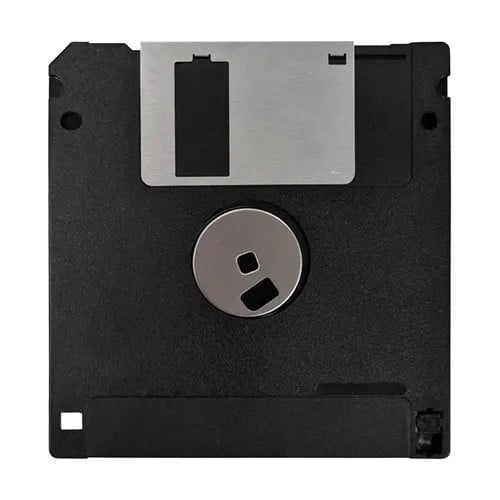
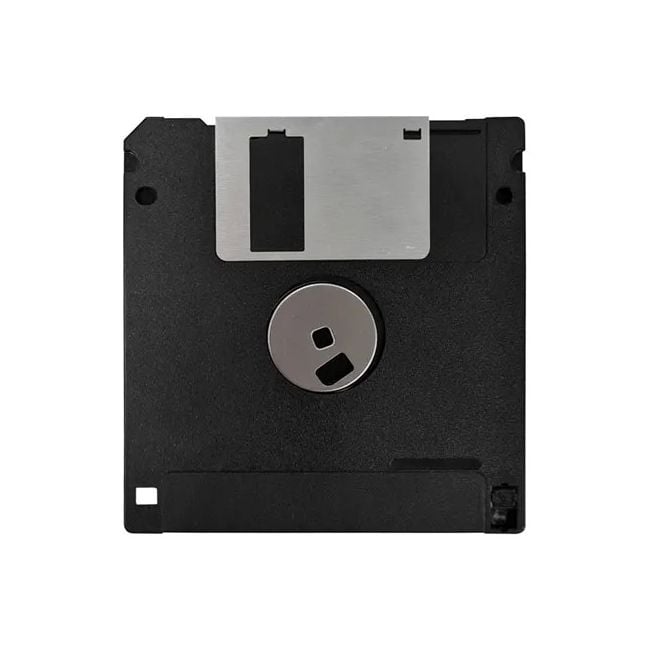
The Dell 1.44MB floppy drive for PowerEdge 2650 servers provides a reliable removable media solution for accessing and archiving data. It fits directly into the server's drive bay and supports legacy disks commonly used for updates or backups. This drive is a practical choice for environments maintaining older server equipment that still depend on floppy media for certain operations. |
General Information |
|
|---|---|
| Brand | Dell |
| Part Number | PH-0D1878 |
Technical Information |
|
|---|---|
| Disc Diameter | 3.5 inches |
| Interface | 34-pin FDD (Floppy Disk Drive) |
| Data Transfer Rate | 500 kbps |
Physical Characteristics |
|
|---|---|
| Dimensions | 25.4mm x 101.6mm x 146mm |
| Weight | 5.00 |
| Condition | Refurbished |
Miscellaneous |
|
|---|---|
| Eco Friendly | Yes |
| Assembly Required | Yes |
| Compliance Standards | WEEE, RoHS, cURus, CE, FCC, CCC, UL, TUV, cULus, CSA, cUL |
Product Description |
|---|
This Dell 1.44MB floppy drive is designed for use with PowerEdge 2650 series servers. It provides a traditional removable media option for storing or transferring small amounts of data. Often found in server environments where legacy data access or firmware updates are needed, this drive offers dependable performance for critical backup and recovery tasks. Built for IT professionals and system administrators maintaining older server hardware, it supports compatibility with software requiring floppy disk access. Although technology has advanced, many organizations still rely on these drives for specific legacy operations. Key Features
This floppy drive is commonly deployed in data centers or IT rooms where PowerEdge 2650 servers remain active. It plays a key role in enabling older systems to maintain interoperability and perform essential maintenance without relying on external USB or network options. Its presence helps extend the functional life of legacy infrastructure. |
Use Cases |
|---|
The Dell 1.44MB 3.5-inch Floppy Drive is primarily utilized in data centers and enterprise environments managing legacy Dell PowerEdge 2650 servers. IT administrators maintaining older hardware platforms benefit from this drive to access critical system updates or archived data stored on floppy disks. How It's Used:
This floppy drive supports operational continuity by ensuring vital legacy server platforms remain accessible and serviceable. It enables IT teams to manage critical updates and backups without disrupting established server deployments, maintaining stability in mixed storage infrastructure environments. |
 Shipping Options
 International Delivery
Requires a UPS, FedEx, or DHL account. Customers may arrange pickup from our US warehouse.
International Delivery
Requires a UPS, FedEx, or DHL account. Customers may arrange pickup from our US warehouse.
 Payment Methods
We accept Visa, Mastercard, AMEX, Discover, and Wire Transfer.
Payment Methods
We accept Visa, Mastercard, AMEX, Discover, and Wire Transfer.
 Purchase Orders
We process purchase orders for government agencies, enterprises, data centers, and SMBs.
Purchase Orders
We process purchase orders for government agencies, enterprises, data centers, and SMBs.