

Subscribe To Our Newsletter!
Subscribe to the newsletter to stay up to date with the latest news and most useful
Newsletter
↑
Back to Top



Product Overview |
|---|
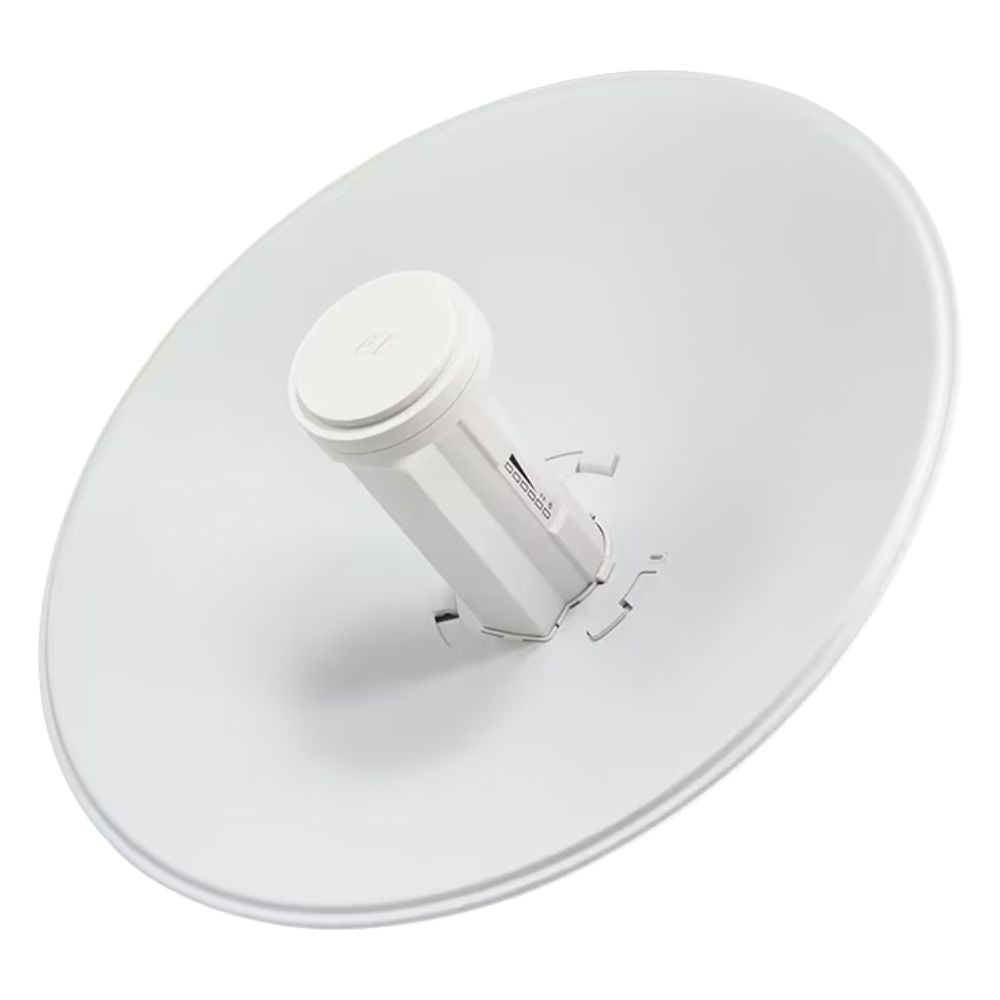
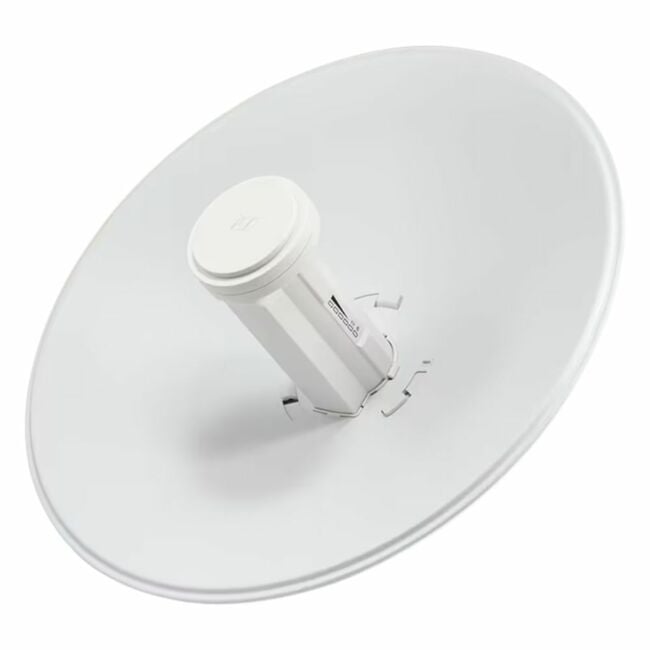
The Ubiquiti PBE-M5-400 is a 5 GHz wireless bridge with a 25 dBi antenna designed for point-to-point connections. It is intended for outdoor use and provides extended range bridging capability for network linking applications. |
General Information |
|
|---|---|
| Brand | Ubiquiti |
Technical Information |
|
|---|---|
| Frequency Bands | 5 GHz |
| Interface | Wireless Bridge (5 GHz radio) |
| WiFi Standard | 802.11a/n (airMAX) |
| Security | WPA/WPA2 |
| Antenna | Integrated 25 dBi directional parabolic dish antenna |
| MIMO | Yes |
| Ethernet Port | 1 x Gigabit Ethernet (10/100/1000) with 24V passive PoE |
| Compatibility | Ubiquiti airMAX devices |
| Operating Modes | Point-to-Point (PtP), Point-to-MultiPoint (PtMP), Bridge |
| Management | airOS web UI, SSH, SNMP |
Physical Characteristics |
|
|---|---|
| Weight | 3.00 |
| Condition | Refurbished |
Miscellaneous |
|
|---|---|
| Assembly Required | Yes |
| Compliance Standards | RoHS, CE, FCC |
Product Description |
|---|
The Ubiquiti PBE-M5-400 is a wireless bridge device operating in the 5 GHz frequency band. It is engineered to establish point-to-point links where high-gain antenna performance is required. This model is suited for outdoor wireless bridging applications. Typically used by network administrators and IT professionals, the PBE-M5-400 supports connectivity in environments demanding reliable long-distance wireless links. Key Features
This device plays a role in connecting two fixed locations wirelessly, bypassing the need for wired infrastructure. It is effective in environments where running cable is impractical, providing a dedicated link between network nodes. |
Use Cases |
|---|
The PBE-M5-400 is typically deployed in outdoor networking environments requiring long-distance wireless bridging. It benefits network engineers looking to connect two separate LANs or extend network coverage without laying physical cables. How It's Used:
This device serves as a focused wireless bridge that enables network connectivity across physical gaps. It is selected for scenarios where directional, high-gain antennas improve signal quality and distance capabilities. |
FAQ's |
|---|
|
 Shipping Options
 International Delivery
Requires a UPS, FedEx, or DHL account. Customers may arrange pickup from our US warehouse.
 Payment Methods
We accept Visa, Mastercard, AMEX, Discover, and Wire Transfer.
 Purchase Orders
We process purchase orders for government agencies, enterprises, data centers, and SMBs.