

Subscribe To Our Newsletter!
Subscribe to the newsletter to stay up to date with the latest news and most useful
Newsletter
↑
Back to Top



Product Overview |
|---|
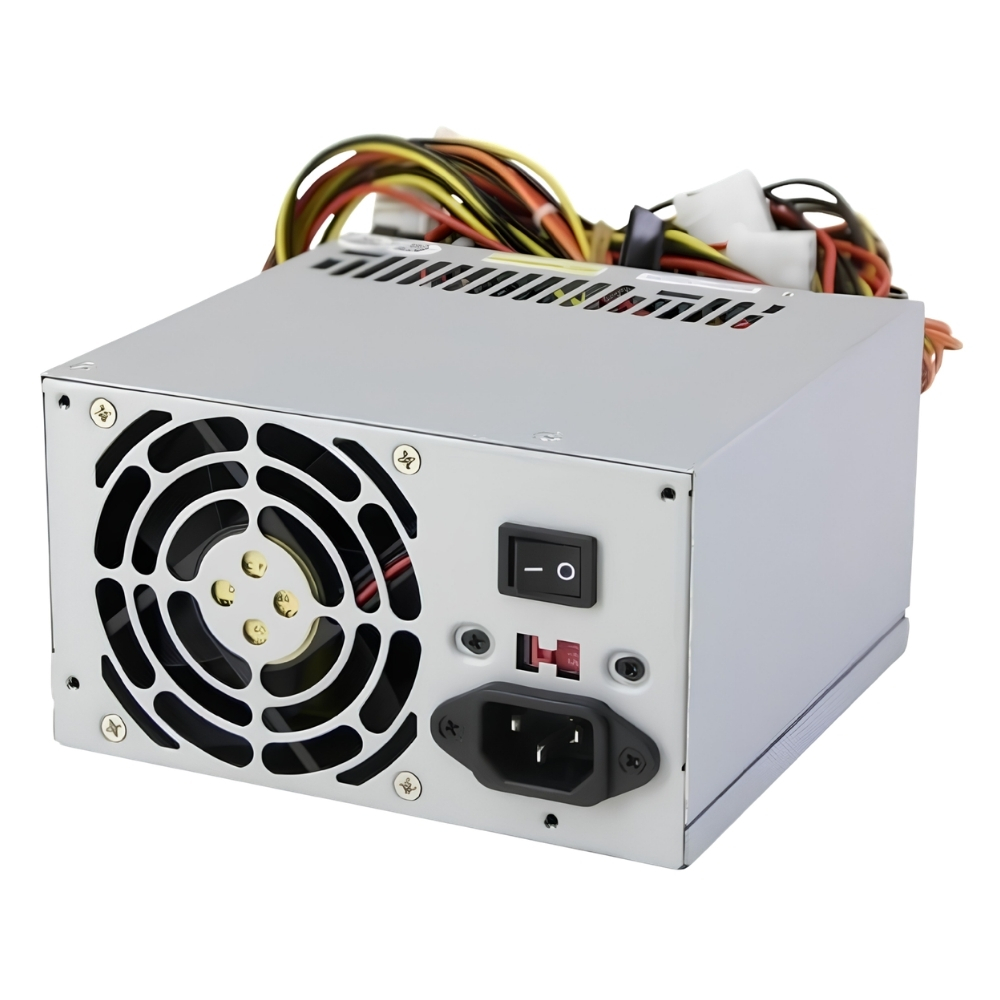
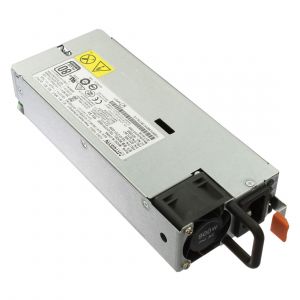
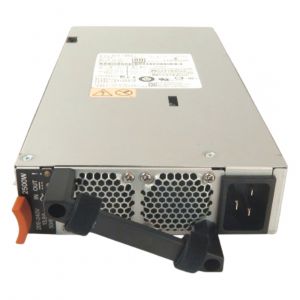
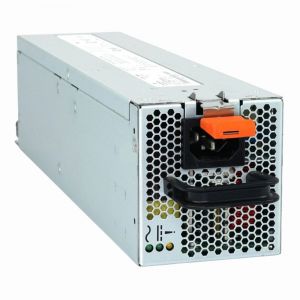
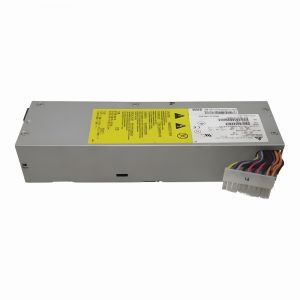
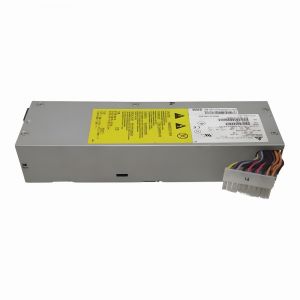
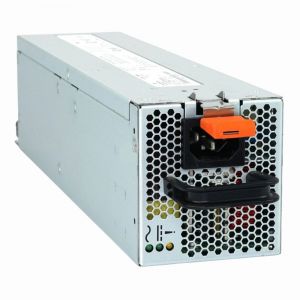
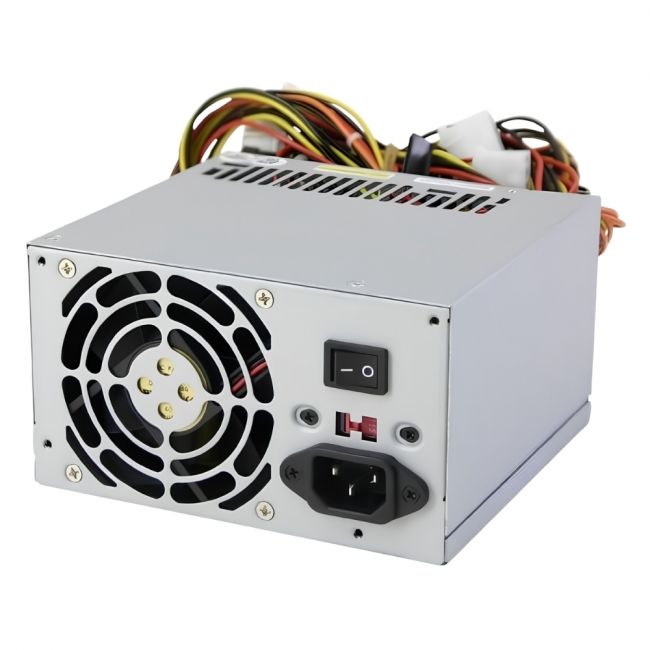
The IBM PA-4700-1I is a 70-watt power supply designed to support compatible IBM systems requiring this specific power level. Its compact design fits designated IBM hardware environments, offering a stable power source necessary for system operations. |
General Information |
|
|---|---|
| Brand | IBM |
| Condition | Refurbished |
Technical Information |
|
|---|---|
| Input Voltage | AC 100-240V |
| Input Frequency | 50/60Hz |
| Output | 20V DC (typical 3.5A) |
| Hot Swappable | No |
| Redundant Support | No |
| Cooling Type | Fanless |
| Modularity | Non-Modular |
Compatibility |
|
|---|---|
| Form Factor | Proprietary |
Physical Characteristics |
|
|---|---|
| Weight | 3.00 |
Certifications and Environmental |
|
|---|---|
| Assembly Required | No |
Product Description |
|---|
The IBM PA-4700-1I is a 70W power supply unit intended to provide reliable power delivery for compatible IBM computer systems. It is generally used within IBM server or workstation environments where a 70W power source is specified. IT administrators and system integrators deploying IBM hardware can utilize this power supply as a direct replacement or upgrade component to maintain or restore system operation. Key Features
This power supply serves as an essential component in ensuring that the designated IBM systems receive proper power levels. It plays a critical role in system maintenance and operational continuity by providing stable electrical input within the specified wattage. |
Use Cases |
|---|
The IBM PA-4700-1I power supply is typically used in IT infrastructures running IBM servers or workstations that specify this power rating. It fits environments where maintaining original equipment specifications is critical for system reliability and performance. How It's Used:
As part of system hardware, this unit is integral to maintaining the power requirements specified by IBM. It assists in avoiding power-related failures and ensures the continued functioning of the hardware it supports. |
FAQ's |
|---|
|
 Shipping Options
 International Delivery
Requires a UPS, FedEx, or DHL account. Customers may arrange pickup from our US warehouse.
International Delivery
Requires a UPS, FedEx, or DHL account. Customers may arrange pickup from our US warehouse.
 Payment Methods
We accept Visa, Mastercard, AMEX, Discover, and Wire Transfer.
Payment Methods
We accept Visa, Mastercard, AMEX, Discover, and Wire Transfer.
 Purchase Orders
We process purchase orders for government agencies, enterprises, data centers, and SMBs.
Purchase Orders
We process purchase orders for government agencies, enterprises, data centers, and SMBs.