

Subscribe To Our Newsletter!
Subscribe to the newsletter to stay up to date with the latest news and most useful
Newsletter
↑
Back to Top



Product Overview |
|---|
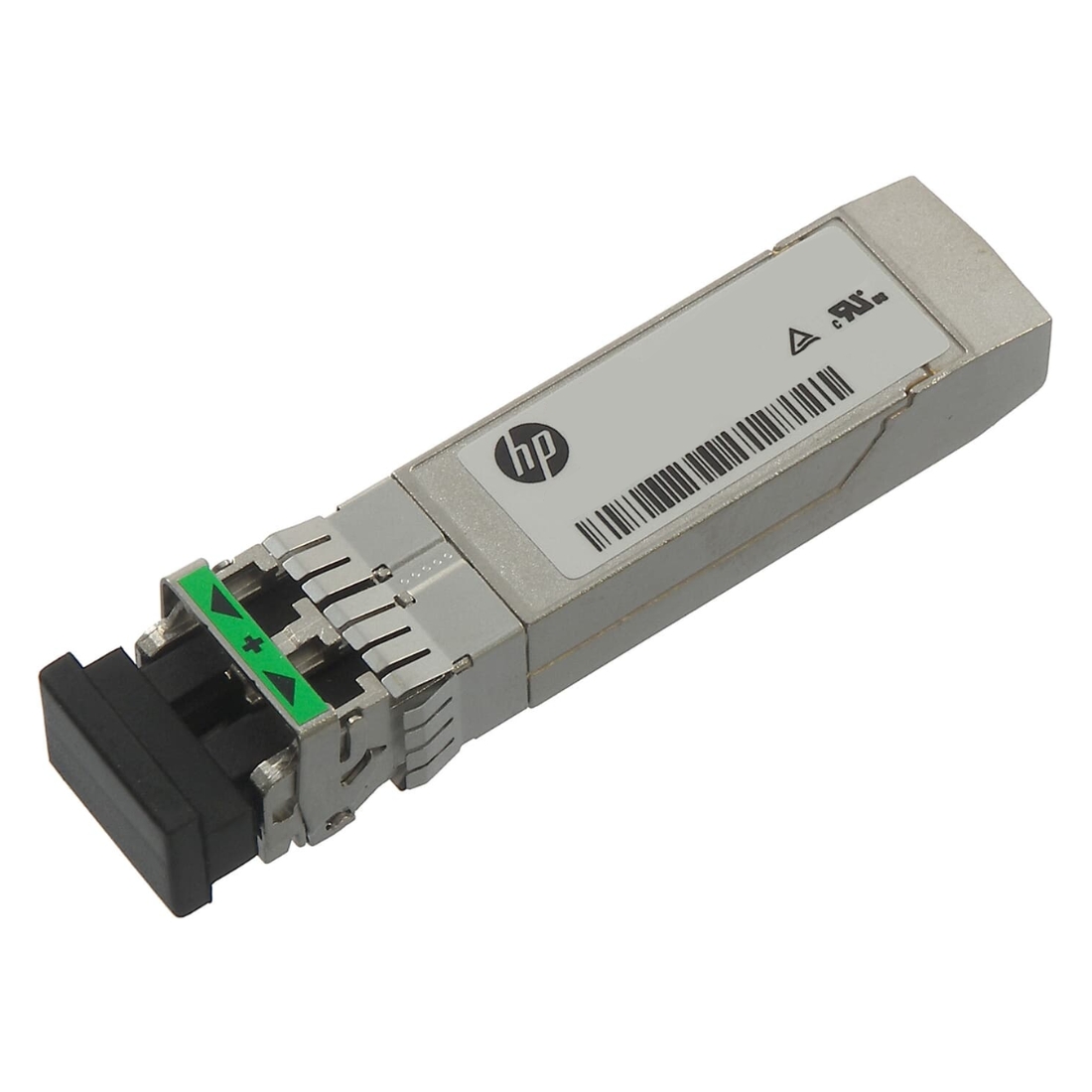
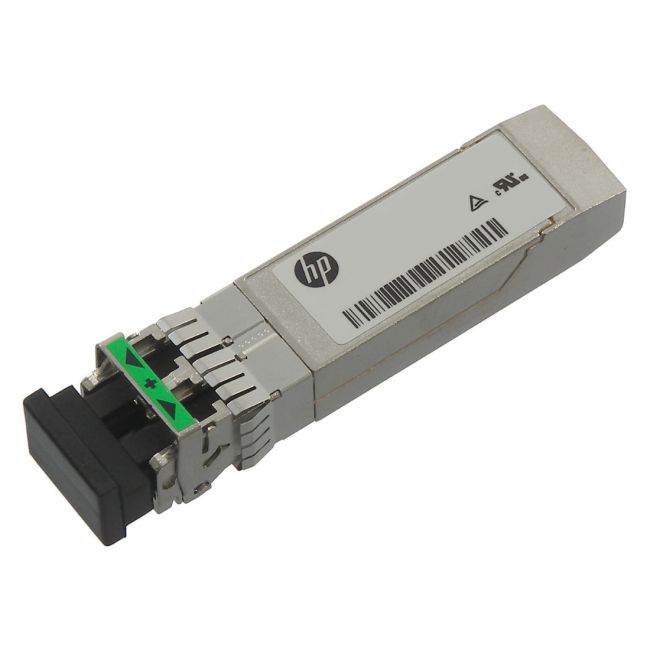
The HPE P89423-B21 is a 400GbE QSFP112 transceiver designed for NIC-side installation. It supports multi-mode fiber with a maximum distance of 50 meters and features a flat-top form factor suitable for compact data center network setups. |
General Information |
|
|---|---|
| Brand | HPE |
Technical Information |
|
|---|---|
| Media | MMF |
| Type | VCSEL |
| Protocols | 400GbE,Ethernet |
| Connector | MTP/MPO |
| DOM Support | Yes |
Physical Characteristics |
|
|---|---|
| Weight | 3.00 |
| Condition | Refurbished |
Product Description |
|---|
The HPE P89423-B21 Ethernet transceiver is designed to deliver 400 Gigabit Ethernet connectivity through a single QSFP112 port. It operates with multi-mode fiber, supporting distances up to 50 meters, making it suitable for short-reach data center applications. This transceiver is intended for direct installation on the network interface card (NIC) side. Typically, IT professionals deploying high-speed interconnects within data centers use this transceiver to connect switches, servers, or storage devices where multi-mode fiber is employed. The flat-top design facilitates efficient use of space in dense networking environments. Key Features
This transceiver provides a standardized physical layer option for 400GbE networking over multi-mode fiber. Its form factor and interface align with common server and switch NIC designs, supporting reliable short-range connectivity. It fits into environments where space and fiber type constraints exist, enabling consistent high-speed data transmission. |
Use Cases |
|---|
This transceiver is typically used in data center environments requiring high-speed 400Gb Ethernet connectivity over multi-mode fiber. It suits deployments involving short reach connections between servers, switches, or storage within racks or adjacent racks. Network administrators and system integrators benefit from its compact design and standard interface. How It's Used:
Its role is to provide standardized physical connectivity meeting 400GbE speeds over short distances. The form factor and fiber compatibility make it a practical choice for environments with specific space and cabling requirements. |
FAQ's |
|---|
|
 Shipping Options
 International Delivery
Requires a UPS, FedEx, or DHL account. Customers may arrange pickup from our US warehouse.
 Payment Methods
We accept Visa, Mastercard, AMEX, Discover, and Wire Transfer.
 Purchase Orders
We process purchase orders for government agencies, enterprises, data centers, and SMBs.