

Subscribe To Our Newsletter!
Subscribe to the newsletter to stay up to date with the latest news and most useful
Newsletter
↑
Back to Top



Product Overview |
|---|
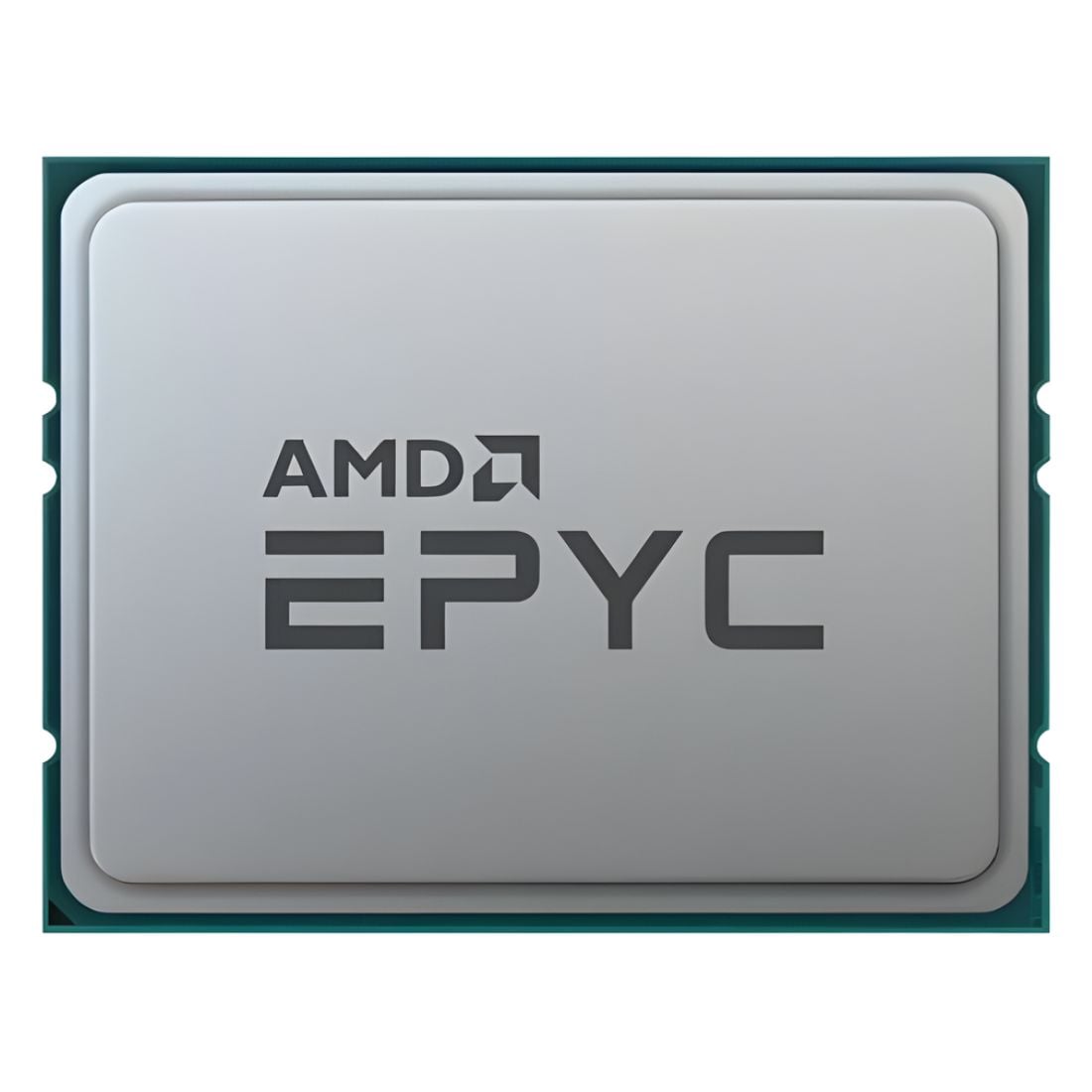
The P76556-B21 HPE EPYC 9355 processor features 32 cores running at a 3.55GHz base clock, delivering substantial multi-threaded performance suitable for enterprise workloads. It supports advanced processing technologies and is designed for compatibility with HPE server architectures, enabling efficient and scalable computing solutions. |
General Information |
|
|---|---|
| Brand | HPE |
| Part Number | P76556-B21 |
Technical Information |
|
|---|---|
| Processor Family | EPYC Genoa |
| # Of Cores | 32 Core |
| Total Threads | 64 |
| Base Clock Speed | 3.55 GHz |
| PCIe Version | PCIe 5.0 |
| Lithography | 5 nm |
| Socket Type | SP5 |
Memory Specifications |
|
|---|---|
| Memory Types | DDR5 |
| Max Memory Channels | 12 |
Physical Characteristics |
|
|---|---|
| Weight | 3.00 |
| Condition | Refurbished |
Product Description |
|---|
The P76556-B21 HPE EPYC 9355 3.55GHz 32-Core Processor is a powerful CPU designed to deliver high efficiency and performance in data center environments. It leverages AMD's EPYC architecture to provide robust multi-core processing capabilities, ideal for handling demanding computational tasks. This processor is typically found in enterprise servers where high throughput and reliability are critical. IT professionals and system administrators benefit from its ability to support large-scale virtualization, database management, and analytics workloads. Key Features
The P76556-B21 processor offers a balance of speed and core count, making it suitable for a wide range of enterprise applications. Its integration into HPE servers ensures reliable performance and scalability for growing business needs. |
Use Cases |
|---|
The P76556-B21 HPE EPYC 9355 processor is utilized in environments requiring robust computing power and scalability. How It's Used:
Its design ensures that organizations can efficiently manage intensive processing demands while maintaining system reliability and performance. |
 Shipping Options
 International Delivery
Requires a UPS, FedEx, or DHL account. Customers may arrange pickup from our US warehouse.
International Delivery
Requires a UPS, FedEx, or DHL account. Customers may arrange pickup from our US warehouse.
 Payment Methods
We accept Visa, Mastercard, AMEX, Discover, and Wire Transfer.
Payment Methods
We accept Visa, Mastercard, AMEX, Discover, and Wire Transfer.
 Purchase Orders
We process purchase orders for government agencies, enterprises, data centers, and SMBs.
Purchase Orders
We process purchase orders for government agencies, enterprises, data centers, and SMBs.