

Subscribe To Our Newsletter!
Subscribe to the newsletter to stay up to date with the latest news and most useful
Newsletter
↑
Back to Top



Product Overview |
|---|
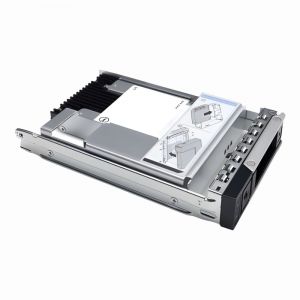
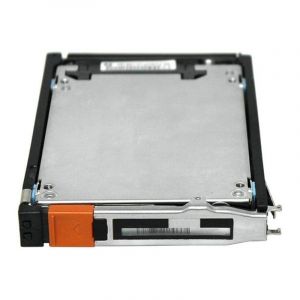
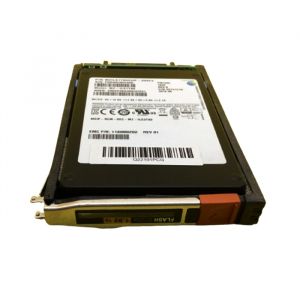
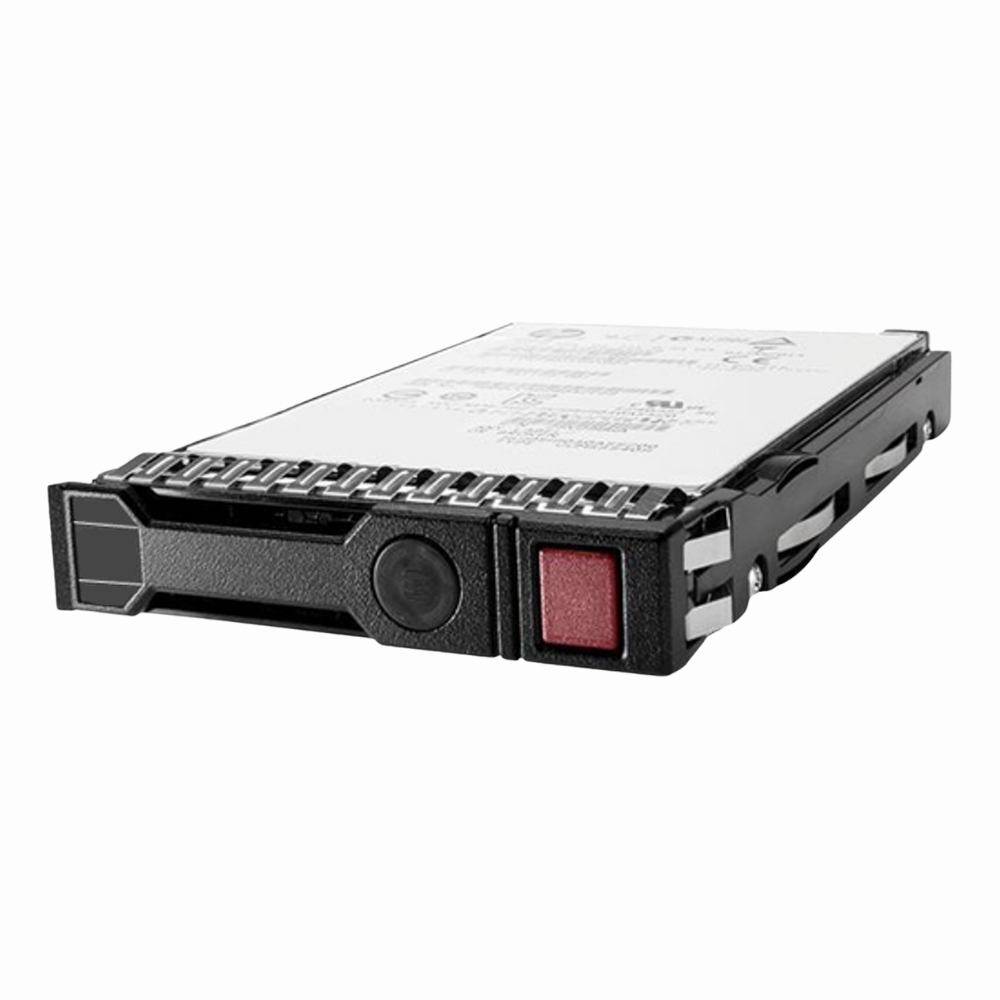
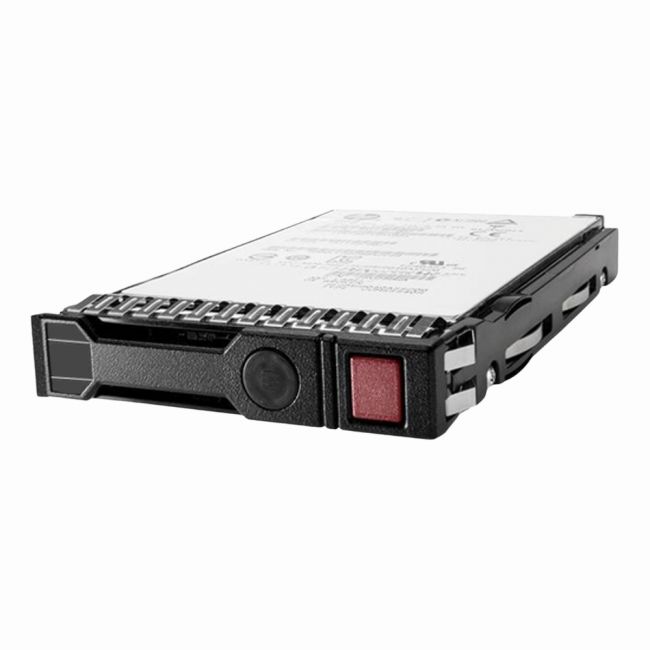
The P73300-B21 HPE 15.36TB NVMe U.3 Read Intensive SFF SSD is engineered for enterprise storage systems requiring large capacity and optimized read performance. It fits within small form factor U.3 slots, offering a NVMe interface tailored to read-heavy workloads commonly found in data center and server environments. |
General Information |
|
|---|---|
| Brand | HPE |
Technical Information |
|
|---|---|
| Capacity | 15.36TB |
| Memory Technology | Triple-Level Cell (TLC) |
| Form Factor | U.3 |
| Hot Swappable | Yes |
| Hot Pluggable | Yes |
Physical Characteristics |
|
|---|---|
| Weight | 0.60 |
| Condition | Refurbished |
Miscellaneous |
|
|---|---|
| Compliance Standards | RoHS, CE, FCC |
Product Description |
|---|
The HPE 15.36TB NVMe U.3 Read Intensive SFF SSD is a solid-state drive designed to provide large capacity storage optimized for read-intensive data environments. This drive utilizes the NVMe protocol over a U.3 interface, delivering low-latency access suitable for demanding enterprise applications. The small form factor (SFF) design allows it to fit in dense storage configurations commonly found in data centers. Typically used in server and storage arrays, this SSD suits workloads that require frequent data reads such as database querying, virtualization, and content delivery. IT professionals managing enterprise storage will find this drive supports efficient storage scalability and performance balance. Key Features
This SSD provides a substantial storage solution for systems that prioritize read operations, helping to maintain throughput in data-heavy environments. Its compact design supports efficient use of data center space while providing enterprise-grade connectivity and capacity. |
Use Cases |
|---|
This SSD is typically deployed in enterprise data centers where storage density and read efficiency are critical. It supports environments with workloads such as database analytics, virtualization platforms, and content delivery networks that generate frequent read requests. How It's Used:
Overall, this SSD serves as a key component for managing large-scale read operations in enterprise IT infrastructures, balancing capacity and performance within a compact physical footprint. |
FAQ's |
|---|
|
 Shipping Options
 International Delivery
Requires a UPS, FedEx, or DHL account. Customers may arrange pickup from our US warehouse.
International Delivery
Requires a UPS, FedEx, or DHL account. Customers may arrange pickup from our US warehouse.
 Payment Methods
We accept Visa, Mastercard, AMEX, Discover, and Wire Transfer.
Payment Methods
We accept Visa, Mastercard, AMEX, Discover, and Wire Transfer.
 Purchase Orders
We process purchase orders for government agencies, enterprises, data centers, and SMBs.
Purchase Orders
We process purchase orders for government agencies, enterprises, data centers, and SMBs.