

Subscribe To Our Newsletter!
Subscribe to the newsletter to stay up to date with the latest news and most useful
Newsletter
↑
Back to Top



Product Overview |
|---|
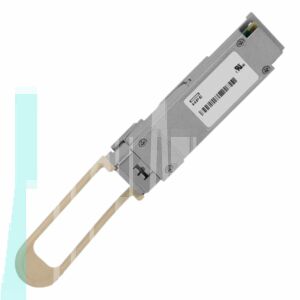
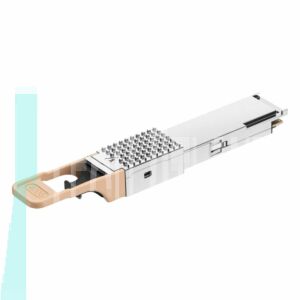
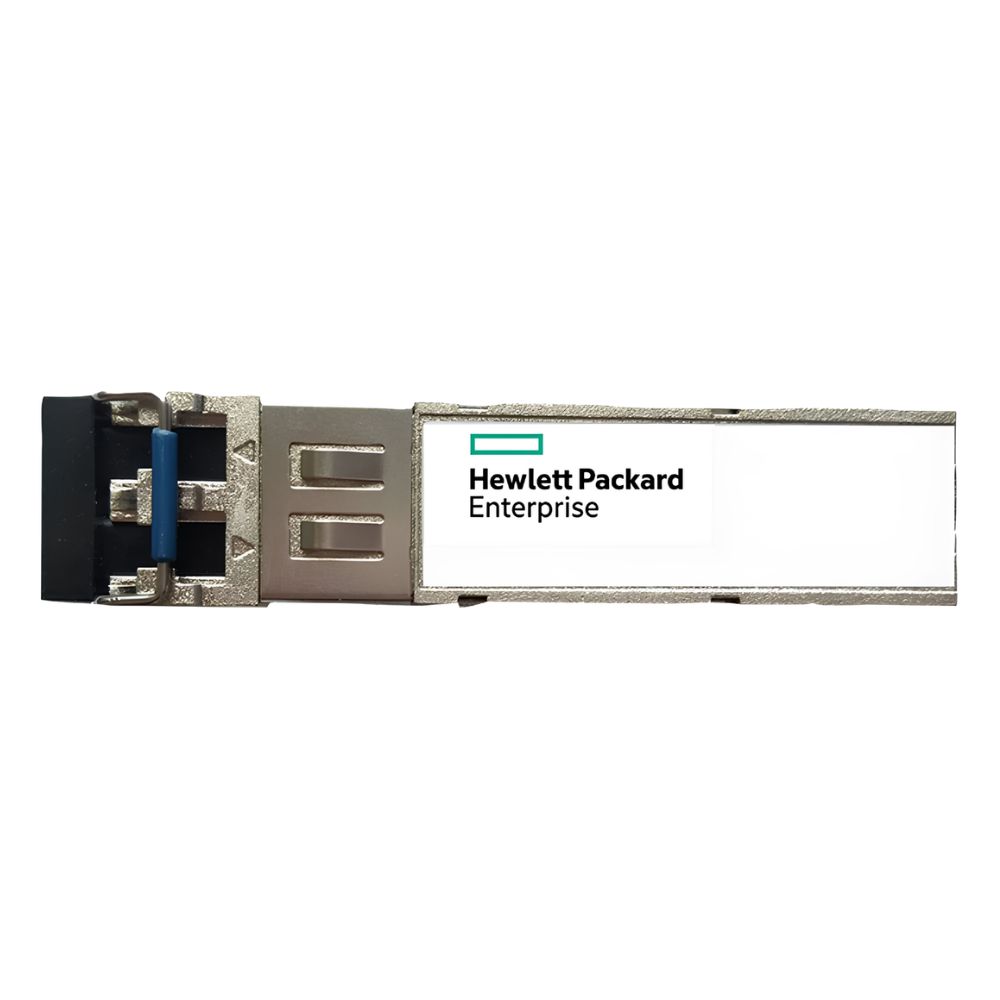
The HPE 400Gb/s MMF QSFP112 Transceiver Module (P65736-001) provides 400Gbps optical connectivity using multimode fiber. It fits in QSFP112 slots on compatible HPE devices and is built for dense networking setups requiring high data rates over shorter distances. |
General Information |
|
|---|---|
| Brand | HPE |
Technical Information |
|
|---|---|
| Media | MMF |
| Type | VCSEL |
| Protocols | 400GBASE-SR8 |
| Connector | MTP/MPO |
| DOM Support | Yes |
Physical Characteristics |
|
|---|---|
| Weight | 3.00 |
| Condition | Refurbished |
Product Description |
|---|
The HPE 400Gb/s MMF QSFP112 Transceiver Module, model P65736-001, is engineered to deliver high-bandwidth optical connectivity in data center and enterprise networking environments. It is specifically designed for multimode fiber applications, providing a data transmission rate of up to 400 Gigabits per second. This transceiver fits into QSFP112-compatible ports on HPE networking devices, making it suited for scenarios requiring dense, high-speed interconnections. Technical buyers and IT professionals use this module to support demanding network infrastructures requiring substantial throughput over short to medium distances. Key Features
This transceiver module plays an important role in enabling high-capacity network links within modern data centers. Its design is focused on facilitating large-scale data transfer over multimode fiber, contributing to the infrastructure's ability to handle growing network traffic efficiently. |
Use Cases |
|---|
This transceiver is typically deployed in data center environments requiring high-bandwidth optical connections over multimode fiber. It benefits network administrators handling large-scale data flows between switches, routers, or other networking equipment supporting QSFP112. How It's Used:
Operationally, this transceiver module enables substantial data throughput while maintaining compatibility with existing HPE networking infrastructure. It helps optimize network capacity and physical port density in environments focused on scale and speed. |
FAQ's |
|---|
|
 Shipping Options
 International Delivery
Requires a UPS, FedEx, or DHL account. Customers may arrange pickup from our US warehouse.
 Payment Methods
We accept Visa, Mastercard, AMEX, Discover, and Wire Transfer.
 Purchase Orders
We process purchase orders for government agencies, enterprises, data centers, and SMBs.