

Subscribe To Our Newsletter!
Subscribe to the newsletter to stay up to date with the latest news and most useful
Newsletter
↑
Back to Top



Product Overview |
|---|
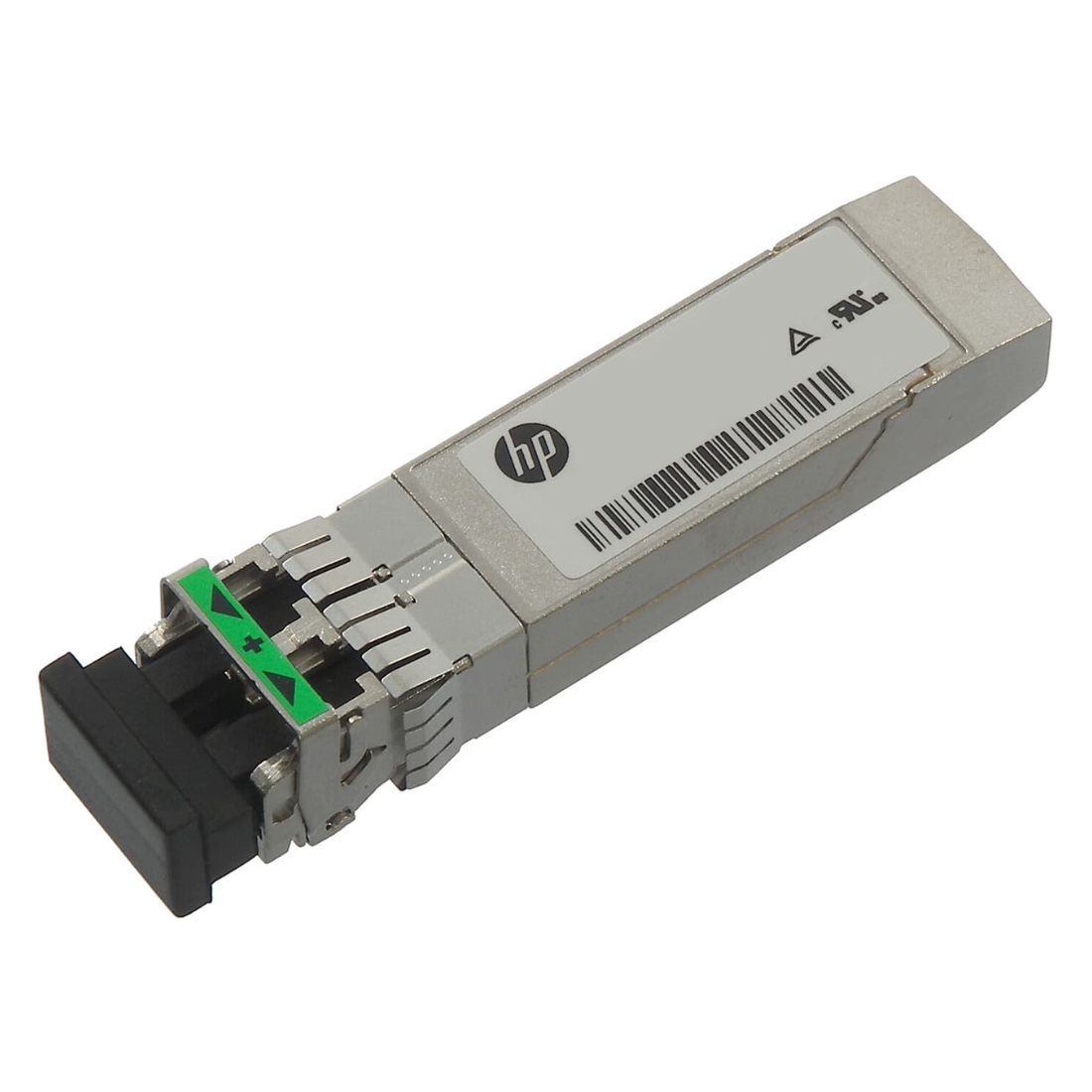
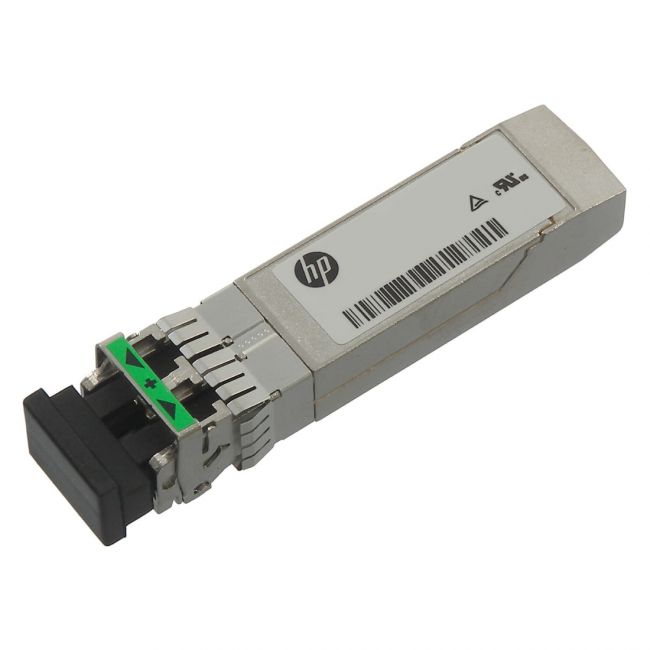
The P65334-B21 HPE 400Gb/s MMF 850nm QSFP112 Transceiver Module enables high-speed multimode fiber connections typically leveraged in data center networking equipment. It fits into QSFP112 slots to deliver fast, short-reach data transmission and is suited for infrastructure requiring dense port configurations and efficient throughput. |
General Information |
|
|---|---|
| Brand | HPE |
Technical Information |
|
|---|---|
| Form Factor | QSFP28 |
| Media | MMF |
| Type | VCSEL |
| Power Consumption | 11.5 W |
| Protocols | 400GBASE-SR8 |
| Connector | MTP/MPO |
| DOM Support | Yes |
Physical Characteristics |
|
|---|---|
| Weight | 3.00 |
| Condition | Refurbished |
Product Description |
|---|
The P65334-B21 is a 400Gb/s multimode fiber transceiver module designed to facilitate ultra-fast data transmission in modern network infrastructures. It is commonly found in high-density switch and router environments where rapid data throughput is essential. Built for network engineers and IT professionals managing large-scale data centers, it offers a reliable solution for short-range connectivity needs. Key Features
This transceiver module provides essential connectivity for environments requiring fast, low-latency links. Its design prioritizes stable performance and seamless integration with existing infrastructure. The module helps maintain consistent network reliability while supporting evolving data demands. |
Use Cases |
|---|
This transceiver module is typically deployed in data centers and enterprise network environments where high-bandwidth and short-distance connectivity is critical. Network architects and system administrators benefit from its integration in high-density switch fabric and rack deployments. How It's Used:
The module helps organizations maintain efficient network operation by allowing scalable and reliable connectivity. It contributes to meeting increasing data throughput requirements while fitting within existing infrastructure constraints. |
 Shipping Options
 International Delivery
Requires a UPS, FedEx, or DHL account. Customers may arrange pickup from our US warehouse.
International Delivery
Requires a UPS, FedEx, or DHL account. Customers may arrange pickup from our US warehouse.
 Payment Methods
We accept Visa, Mastercard, AMEX, Discover, and Wire Transfer.
Payment Methods
We accept Visa, Mastercard, AMEX, Discover, and Wire Transfer.
 Purchase Orders
We process purchase orders for government agencies, enterprises, data centers, and SMBs.
Purchase Orders
We process purchase orders for government agencies, enterprises, data centers, and SMBs.