

Subscribe To Our Newsletter!
Subscribe to the newsletter to stay up to date with the latest news and most useful
Newsletter
↑
Back to Top



Product Overview |
|---|
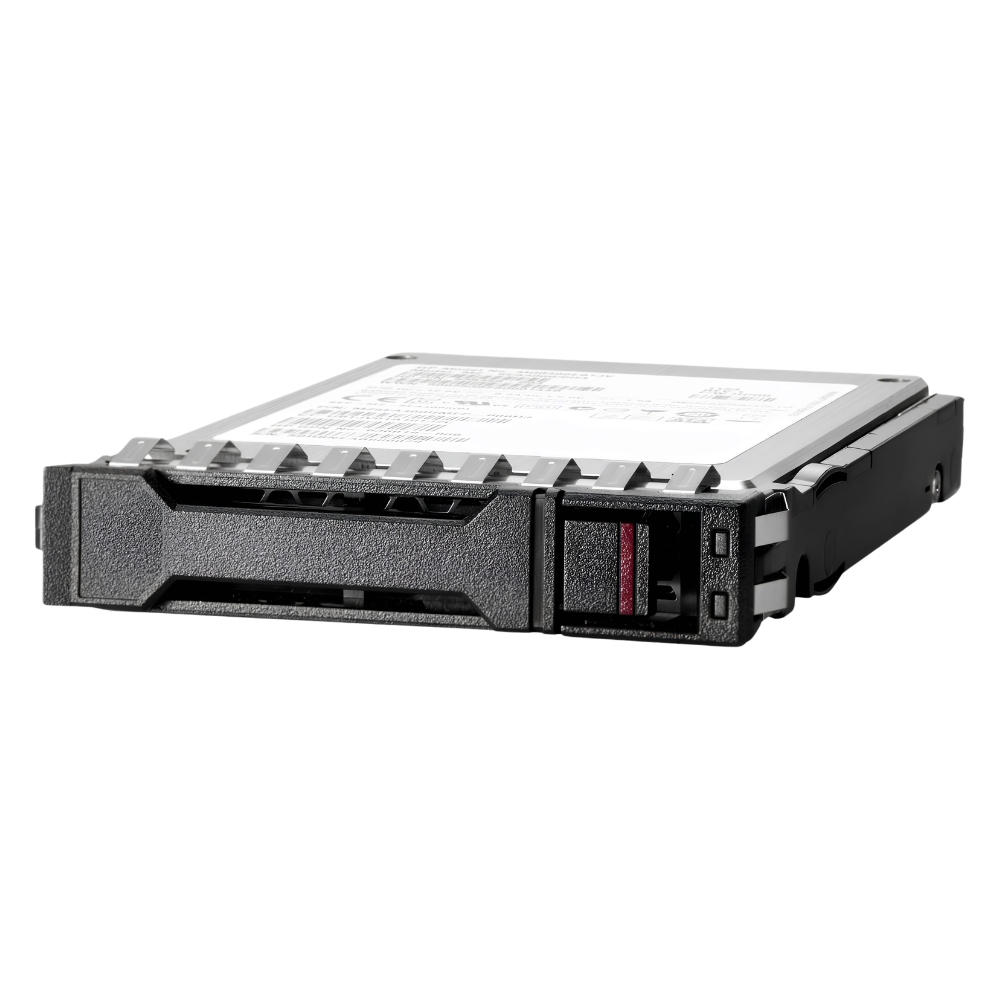
This HPE 800GB NVMe SSD leverages PCIe Gen4 technology to deliver efficient storage performance for mainstream enterprise workloads. The U.3 interface and 2.5-inch form factor provide flexible deployment options in modern data center infrastructure, while the hot-swappable design enables maintenance without system downtime. Optimized for mixed-use scenarios, the drive handles diverse I/O patterns from virtualization, database, and analytical workloads with consistent responsiveness and reliability. |
General Information |
|
|---|---|
| Brand | HPE |
| Part Number | P64999-B21 |
Technical Information |
|
|---|---|
| Capacity | 800GB |
| Form Factor | 2.5-inch |
| Interface | PCIe Gen 4.0 x4 |
Physical Characteristics |
|
|---|---|
| Weight | 0.60 |
| Condition | Refurbished |
Product Description |
|---|
The HPE 800GB NVMe PCIe Gen4 U.3 Mainstream Performance Mixed Use 2.5-inch BC Static V2 Multi Vendor SSD delivers reliable storage performance for demanding enterprise environments. Built with multi-vendor flexibility, this drive provides consistent throughput and low latency for business-critical applications. Engineered for mixed-use workloads, this SSD balances performance and endurance to handle varied I/O patterns common in virtualized environments and database operations. Key Features
This drive integrates seamlessly with HPE ProLiant servers and compatible storage platforms, offering straightforward installation and management. The multi-vendor approach ensures consistent availability while maintaining quality standards. |
Use Cases |
|---|
This SSD targets enterprise data center environments running virtualized server workloads, database management systems, and mixed application stacks that require balanced storage performance. How It's Used:
Organizations benefit from the balanced performance characteristics that handle workload spikes effectively while maintaining predictable latency for production application responsiveness. |
 Shipping Options
 International Delivery
Requires a UPS, FedEx, or DHL account. Customers may arrange pickup from our US warehouse.
International Delivery
Requires a UPS, FedEx, or DHL account. Customers may arrange pickup from our US warehouse.
 Payment Methods
We accept Visa, Mastercard, AMEX, Discover, and Wire Transfer.
Payment Methods
We accept Visa, Mastercard, AMEX, Discover, and Wire Transfer.
 Purchase Orders
We process purchase orders for government agencies, enterprises, data centers, and SMBs.
Purchase Orders
We process purchase orders for government agencies, enterprises, data centers, and SMBs.