

Subscribe To Our Newsletter!
Subscribe to the newsletter to stay up to date with the latest news and most useful
Newsletter
↑
Back to Top



Product Overview |
|---|
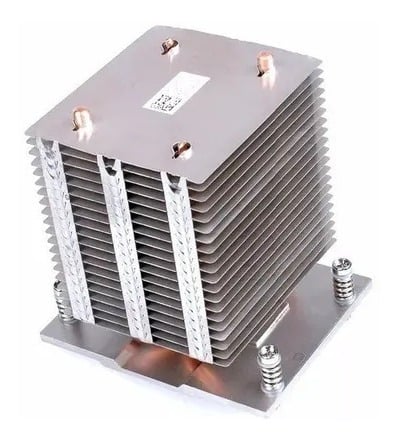
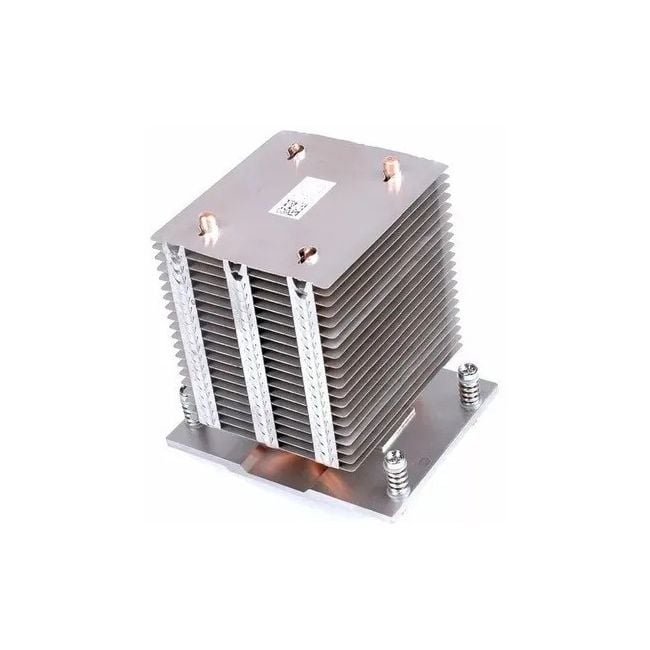
The Dell 95-Watt Heatsink Assembly for PowerEdge T340 serves as the primary cooling solution for the server’s processor, fitting precisely within the system’s design. It’s a key internal part that helps maintain suitable temperatures, supporting the server’s overall stability and longevity in typical office or data center setups. |
General Information |
|
|---|---|
| Brand | Dell |
| Part Number | P5WW7 |
Physical Characteristics |
|
|---|---|
| Weight | 5.00 |
| Condition | Refurbished |
Product Description |
|---|
This heatsink assembly is built for Dell PowerEdge T340 servers, providing effective thermal management for the CPU. It's commonly used in data centers and office environments where maintaining server stability and performance is critical. IT professionals and system administrators often use this component to ensure the server runs smoothly without overheating. Key Features
This heatsink assembly is typically deployed inside Dell PowerEdge T340 servers in offices and small to medium data centers. It plays a vital role in keeping the server’s processor cool, which helps avoid thermal throttling and potential hardware damage over time. The component is essential for those maintaining or upgrading their PowerEdge T340 units, ensuring reliable daily operation. |
Use Cases |
|---|
The Dell 95-Watt Heatsink Assembly for PowerEdge T340 is predominantly used within small to medium-sized business (SMB) environments where PowerEdge T340 servers operate under consistent workloads. It is ideal for IT administrators aiming to maintain optimal thermal performance in office or remote data center settings, ensuring the server’s CPU remains within safe temperature thresholds during standard processing tasks. How It's Used:
By effectively managing CPU temperatures, this heatsink assembly supports the consistent performance and reliability required in SMB IT infrastructures. Its integration helps extend server longevity and reduces risks of hardware failure, contributing to scalable and efficient operations. |
 Shipping Options
 International Delivery
Requires a UPS, FedEx, or DHL account. Customers may arrange pickup from our US warehouse.
International Delivery
Requires a UPS, FedEx, or DHL account. Customers may arrange pickup from our US warehouse.
 Payment Methods
We accept Visa, Mastercard, AMEX, Discover, and Wire Transfer.
Payment Methods
We accept Visa, Mastercard, AMEX, Discover, and Wire Transfer.
 Purchase Orders
We process purchase orders for government agencies, enterprises, data centers, and SMBs.
Purchase Orders
We process purchase orders for government agencies, enterprises, data centers, and SMBs.