

Subscribe To Our Newsletter!
Subscribe to the newsletter to stay up to date with the latest news and most useful
Newsletter
↑
Back to Top



Product Overview |
|---|
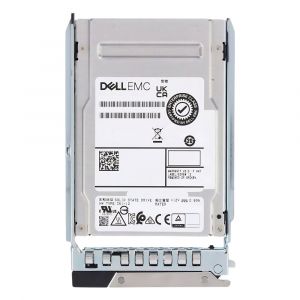
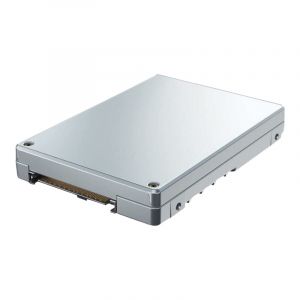
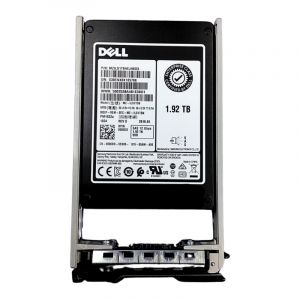
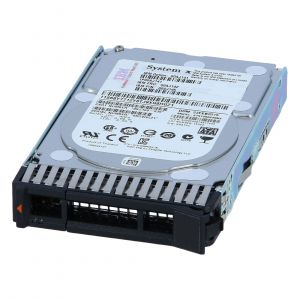
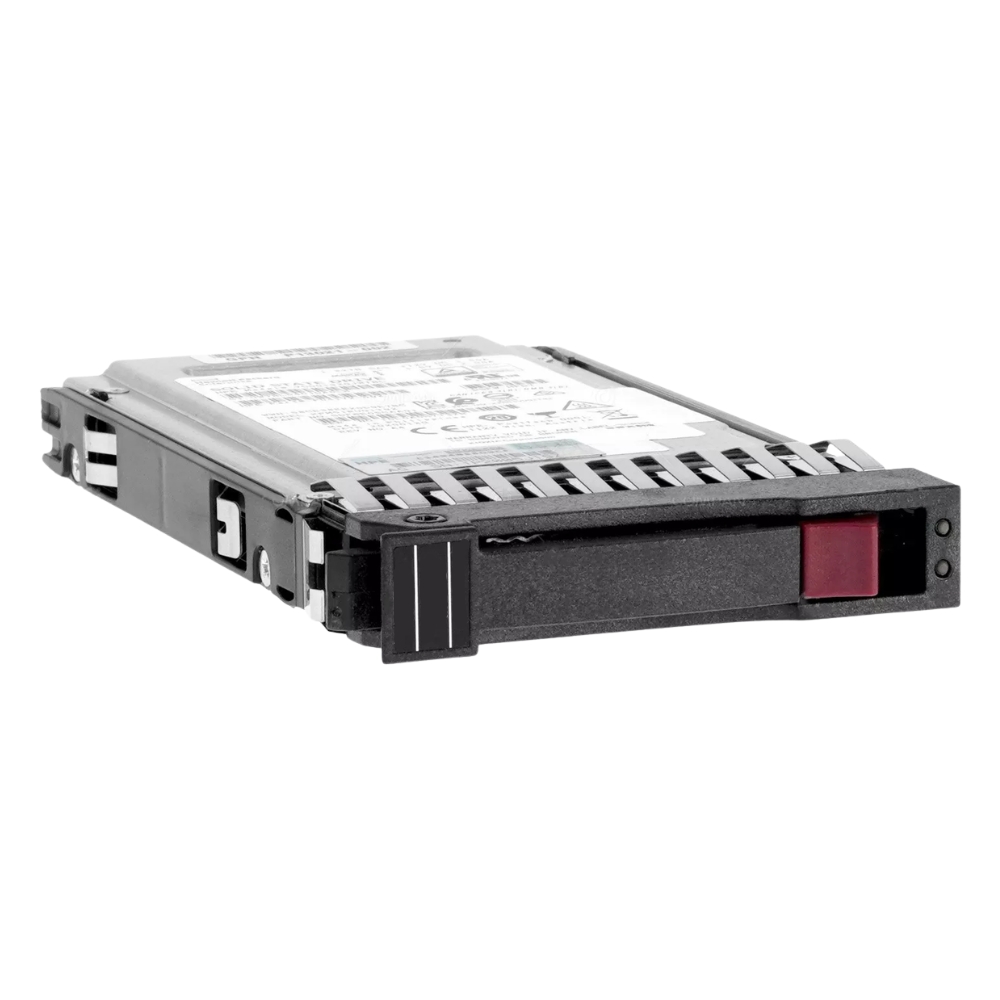
The HPE 1.6TB SAS 24Gb/s MU SFF SC Spl SSD is a server-grade solid state drive designed for enterprise applications. It delivers a 1.6TB capacity with a 24Gb/s SAS interface and is built in a Small Form Factor for optimized server compatibility. The Multi-Use and Single Connector design support a variety of server environments. |
General Information |
|
|---|---|
| Brand | HPE |
Technical Information |
|
|---|---|
| Capacity | 1.6TB |
| Memory Technology | Triple-Level Cell (TLC) |
| Form Factor | 2.5-inch |
| Interface | SAS 24Gb/s |
| Hot Swappable | Yes |
| Hot Pluggable | Yes |
Physical Characteristics |
|
|---|---|
| Weight | 0.60 |
| Condition | Refurbished |
Miscellaneous |
|
|---|---|
| Eco Friendly | Yes |
| Compliance Standards | WEEE, RoHS, CE, FCC |
Product Description |
|---|
The HPE 1.6TB SAS 24Gb/s MU SFF SC Spl SSD (P59182-B21) is a solid state drive designed for enterprise server environments requiring high-capacity, fast SAS storage. It is typically used in HPE ProLiant and other compatible servers where reliable and high-throughput storage is essential. IT administrators and data center professionals utilize this SSD to enhance storage performance, reduce latency, and increase I/O operations per second compared to traditional HDDs. Key Features
This SSD plays a critical role in modernizing storage infrastructure within enterprise environments, offering a balance of capacity and speed suited for database, virtualization, and transactional workloads. It fits into server storage arrays requiring compact and effective solid state storage solutions. |
Use Cases |
|---|
This SSD is typically deployed in enterprise data centers and server farms where high-speed, high-capacity SAS storage is needed. It suits environments running virtualization, database management, and general-purpose server workloads demanding consistent solid state performance. How It's Used:
Its role is to improve storage subsystem efficiency and responsiveness in enterprise settings, providing a reliable medium for critical workloads without changing existing SAS infrastructure. |
FAQ's |
|---|
|
 Shipping Options
 International Delivery
Requires a UPS, FedEx, or DHL account. Customers may arrange pickup from our US warehouse.
International Delivery
Requires a UPS, FedEx, or DHL account. Customers may arrange pickup from our US warehouse.
 Payment Methods
We accept Visa, Mastercard, AMEX, Discover, and Wire Transfer.
Payment Methods
We accept Visa, Mastercard, AMEX, Discover, and Wire Transfer.
 Purchase Orders
We process purchase orders for government agencies, enterprises, data centers, and SMBs.
Purchase Orders
We process purchase orders for government agencies, enterprises, data centers, and SMBs.