

Subscribe To Our Newsletter!
Subscribe to the newsletter to stay up to date with the latest news and most useful
Newsletter
↑
Back to Top



Product Overview |
|---|
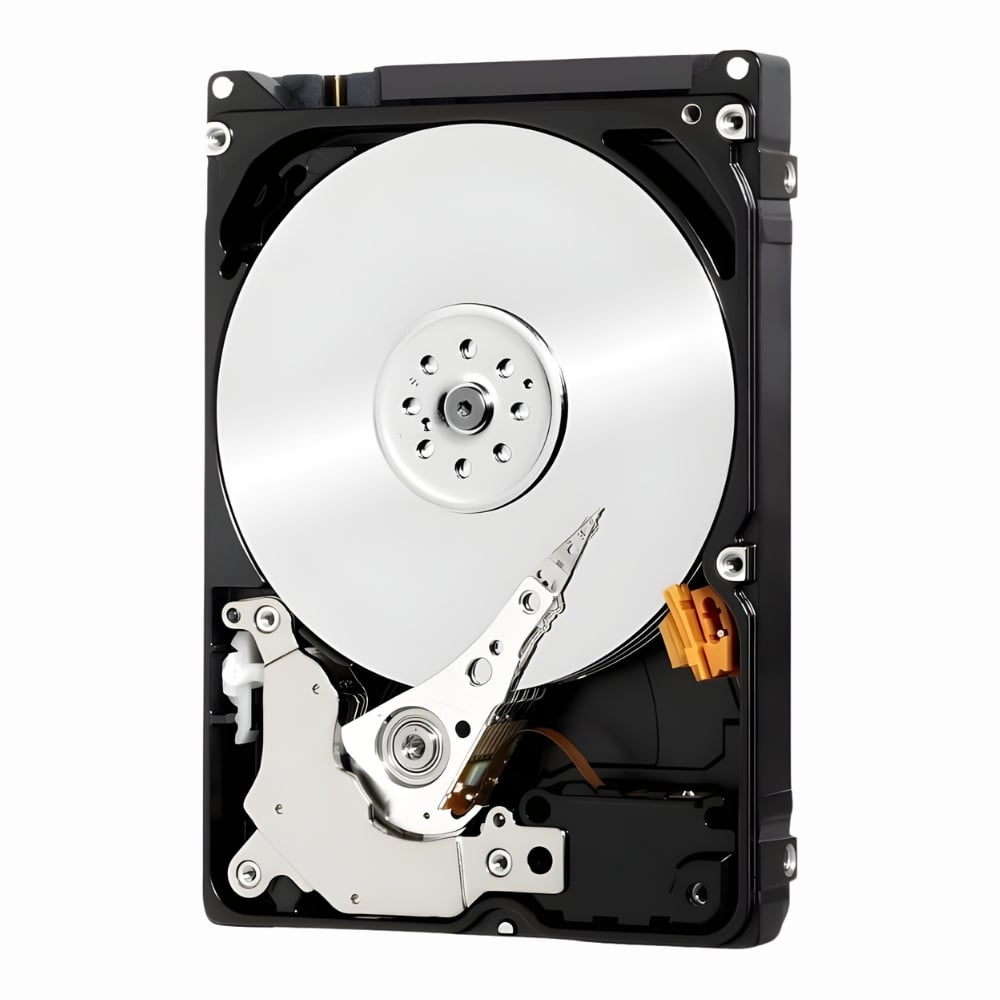
The HP 72.8GB 10000RPM SCSI 160Mb/s 3.5-inch Hard Drive caters to business-grade storage needs, fitting into servers and storage systems where fast access and reliability are key. It offers a blend of capacity and speed suited for professional data handling tasks without unnecessary complexity. |
General Information |
|
|---|---|
| Brand | HP |
| Part Number | P4462-69001 |
Technical Information |
|
|---|---|
| Capacity | 72.8GB |
| Form Factor | 3.5-inch |
| Disk Format | SCSI |
| Cache | 8MB |
| Spindle Speed | 10000 RPM |
| Hot Pluggable | Yes |
| Hot Swappable | Yes |
| Hybrid Drive | No |
| Compatible For | Servers |
| MTBF | 1,200,000 hours |
Interfaces/Ports |
|
|---|---|
| Interface | SCSI |
Physical Characteristics |
|
|---|---|
| Condition | Refurbished |
| Weight | 1.76 |
Miscellaneous |
|
|---|---|
| Compliance Standards | RoHS |
Product Description |
|---|
This HP 72.8GB hard drive is built for environments requiring reliable and fast storage solutions. Often found in enterprise servers and data centers, it delivers consistent performance with its high spindle speed and SCSI interface. IT professionals and system administrators typically deploy this drive to handle demanding workloads where speed and durability matter. Key Features
This hard drive is commonly used in rack servers and storage arrays where dependable performance is a priority. Its design supports environments that run 24/7, ensuring data is accessible without interruption. |
Use Cases |
|---|
The HP 72.8GB 10000RPM SCSI 160Mb/s 3.5-inch Hard Drive is designed for environments requiring dependable, high-speed storage integration. It is well-suited for enterprise IT infrastructures where consistent data throughput and durability are critical, particularly in legacy or mixed-interface storage arrays. How It's Used:
This drive’s combination of speed and capacity ensures operational efficiency while accommodating growth in storage demands. Its compatibility with established SCSI infrastructure aids in maintaining performance standards without necessitating immediate migrations to newer interfaces. |
 Shipping Options
 International Delivery
Requires a UPS, FedEx, or DHL account. Customers may arrange pickup from our US warehouse.
 Payment Methods
We accept Visa, Mastercard, AMEX, Discover, and Wire Transfer.
 Purchase Orders
We process purchase orders for government agencies, enterprises, data centers, and SMBs.