

Subscribe To Our Newsletter!
Subscribe to the newsletter to stay up to date with the latest news and most useful
Newsletter
↑
Back to Top



Product Overview |
|---|
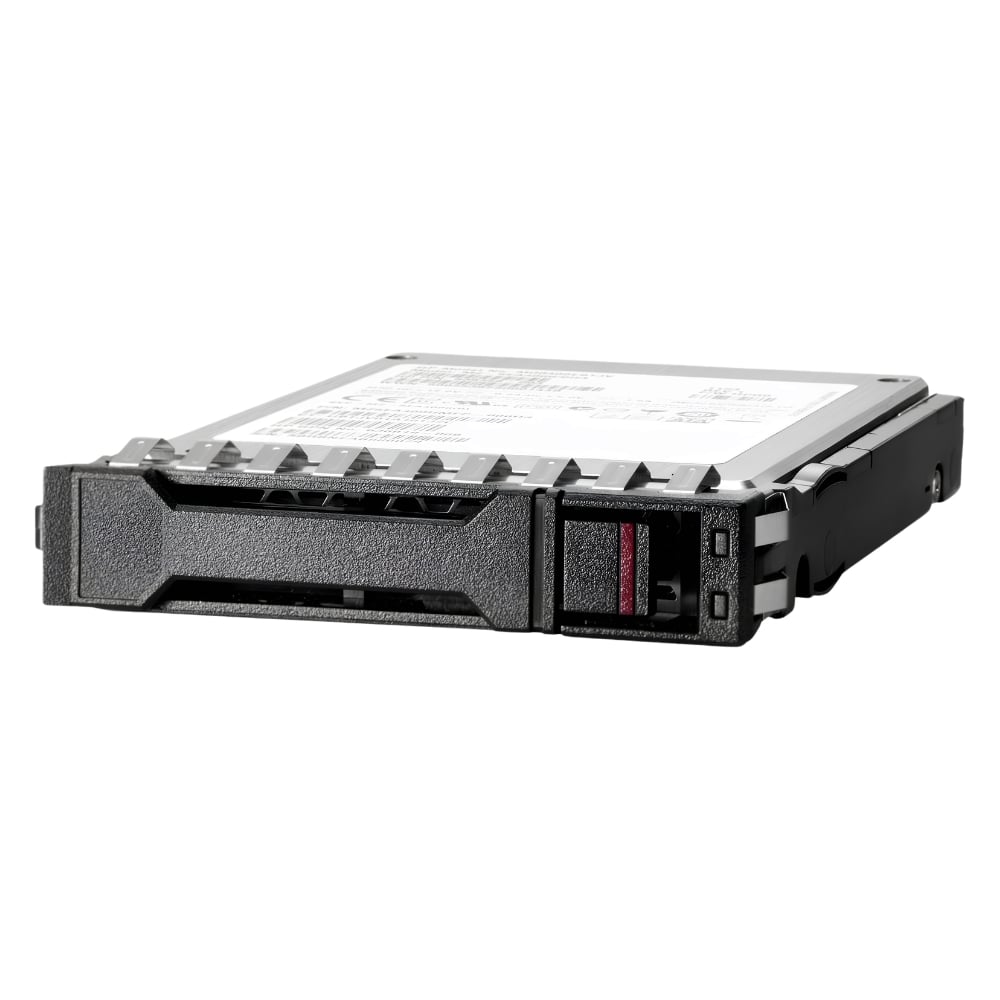
The P41503-001 HPE 3.2TB SAS 24Gbps Mixed Use 2.5-inch BC TLC SSD features a large storage capacity with a high-speed SAS interface, optimized for mixed-use workloads in a compact 2.5-inch form factor utilizing BC TLC NAND technology for enhanced endurance and reliability. |
General Information |
|
|---|---|
| Brand | HPE |
| Part Number | P41503-001 |
Technical Information |
|
|---|---|
| Capacity | 3.2TB |
| NAND Flash | TLC |
| Memory Technology | Triple-Level Cell (TLC) |
| Form Factor | 2.5-inch |
| Interface | SAS 24Gb/s |
| MTBF | 2,000,000 |
| Hot Swappable | Yes |
| Hot Pluggable | Yes |
Performance |
|
|---|---|
| Max Sequential Read | 2100 |
| Max Sequential Write | 1800 |
| Endurance (TBW) | 5600 |
Physical Characteristics |
|
|---|---|
| Weight | 0.60 |
| Condition | Refurbished |
Miscellaneous |
|
|---|---|
| Compliance Standards | RoHS |
Product Description |
|---|
This HPE 3.2TB SAS solid state drive delivers enterprise-grade performance with a 24Gbps SAS interface, making it ideal for mixed use workloads in data center environments. The 2.5-inch form factor provides flexible deployment options while maintaining optimal airflow and rack density. Built with Triple-Level Cell NAND flash technology, this drive offers an excellent balance of performance, endurance, and cost efficiency for business-critical applications. Key Features
The drive integrates seamlessly into HPE ProLiant and storage array environments, delivering consistent performance for virtualization, database, and analytics workloads. |
Use Cases |
|---|
This SSD is commonly deployed in enterprise data centers running virtualization platforms, database servers, and high-performance computing environments where consistent I/O performance and storage reliability are critical requirements. How It's Used:
Organizations benefit from improved application responsiveness, reduced latency in transaction processing, and the scalability needed to handle growing data volumes while maintaining operational efficiency. |
 Shipping Options
 International Delivery
Requires a UPS, FedEx, or DHL account. Customers may arrange pickup from our US warehouse.
International Delivery
Requires a UPS, FedEx, or DHL account. Customers may arrange pickup from our US warehouse.
 Payment Methods
We accept Visa, Mastercard, AMEX, Discover, and Wire Transfer.
Payment Methods
We accept Visa, Mastercard, AMEX, Discover, and Wire Transfer.
 Purchase Orders
We process purchase orders for government agencies, enterprises, data centers, and SMBs.
Purchase Orders
We process purchase orders for government agencies, enterprises, data centers, and SMBs.