

Subscribe To Our Newsletter!
Subscribe to the newsletter to stay up to date with the latest news and most useful
Newsletter
↑
Back to Top



Product Overview |
|---|
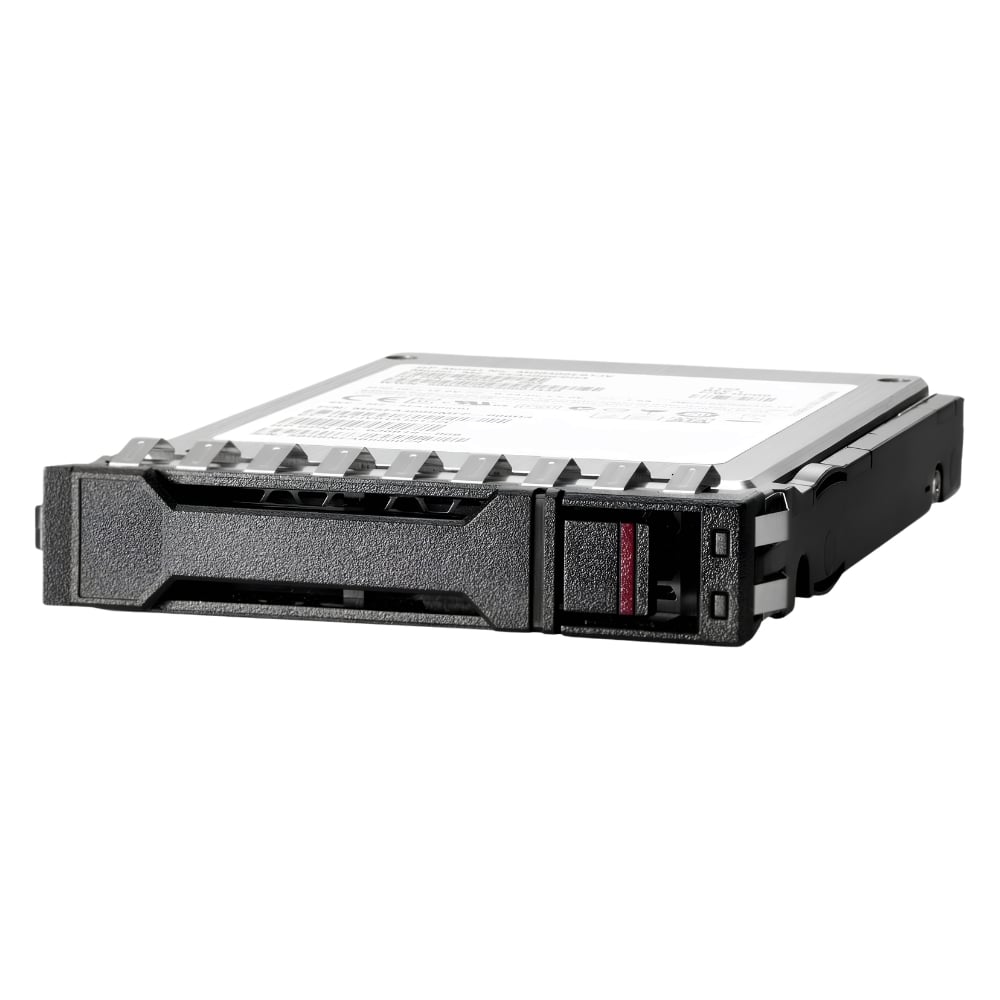
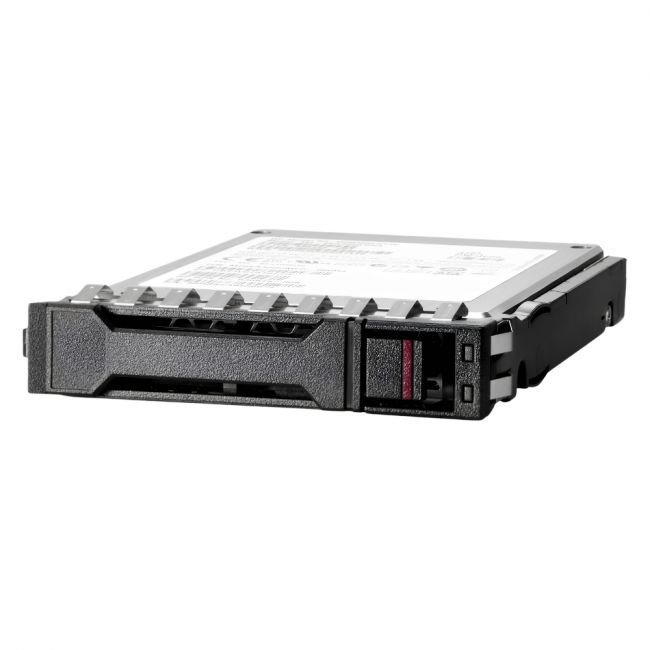
The P41491-001 HPE 7.68TB NVMe Read Intensive 2.5-inch BC U.3 SSD offers a robust storage solution featuring a high-capacity NVMe interface within a compact 2.5-inch form factor, optimized specifically for read-intensive workloads in enterprise settings. |
General Information |
|
|---|---|
| Brand | HPE |
| Part Number | P41491-001 |
Technical Information |
|
|---|---|
| Capacity | 7.68TB |
| Form Factor | 2.5-inch |
| Interface | U.3 |
| Hot Swappable | Yes |
| Hot Pluggable | Yes |
Physical Characteristics |
|
|---|---|
| Weight | 0.60 |
| Condition | Refurbished |
Product Description |
|---|
The HPE 7.68TB NVMe Read Intensive SSD delivers exceptional performance for demanding data center environments requiring high read throughput. Built on enterprise-grade components, this solid-state drive combines substantial capacity with NVMe technology to handle intensive read operations across virtualized and cloud workloads. Engineered for the U.3 interface standard, this 2.5-inch drive integrates seamlessly into HPE ProLiant servers and storage solutions. The read-intensive design optimizes cost-per-terabyte while maintaining the reliability demanded by enterprise applications. Key Features
This SSD represents a cost-effective solution for organizations modernizing their storage infrastructure with high-performance NVMe technology. The read-intensive classification ensures optimal performance characteristics for workloads with sequential read patterns. |
Use Cases |
|---|
This SSD serves data center environments where read-heavy operations dominate, including web hosting providers, content delivery networks, and enterprise databases running analytical queries. Organizations running virtual desktop infrastructure, big data processing frameworks, and read-cached storage tier implementations benefit most from this drive's performance profile. How It's Used:
IT administrators deploy these drives to reduce storage latency bottlenecks, improve application response times, and scale read performance economically across HPE server infrastructure. |
 Shipping Options
 International Delivery
Requires a UPS, FedEx, or DHL account. Customers may arrange pickup from our US warehouse.
International Delivery
Requires a UPS, FedEx, or DHL account. Customers may arrange pickup from our US warehouse.
 Payment Methods
We accept Visa, Mastercard, AMEX, Discover, and Wire Transfer.
Payment Methods
We accept Visa, Mastercard, AMEX, Discover, and Wire Transfer.
 Purchase Orders
We process purchase orders for government agencies, enterprises, data centers, and SMBs.
Purchase Orders
We process purchase orders for government agencies, enterprises, data centers, and SMBs.