

Subscribe To Our Newsletter!
Subscribe to the newsletter to stay up to date with the latest news and most useful
Newsletter
↑
Back to Top



Product Overview |
|---|
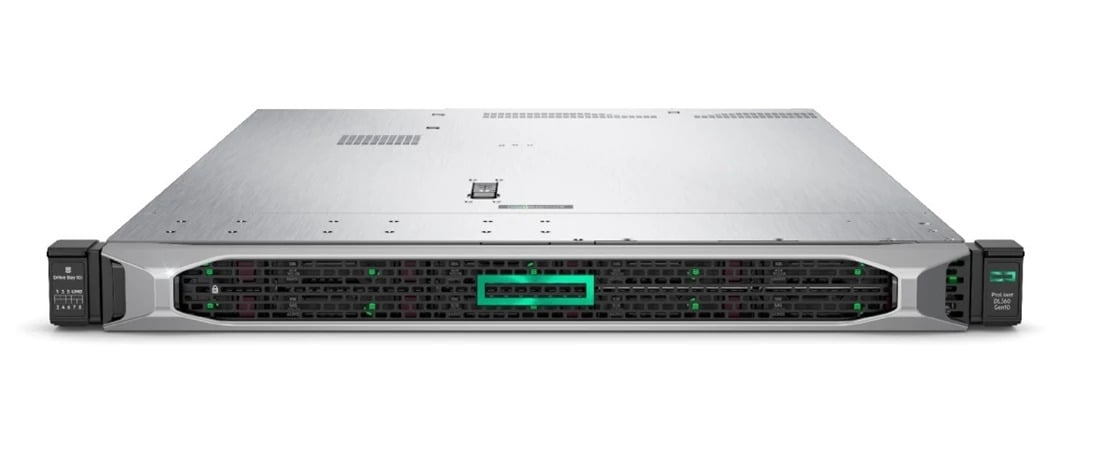
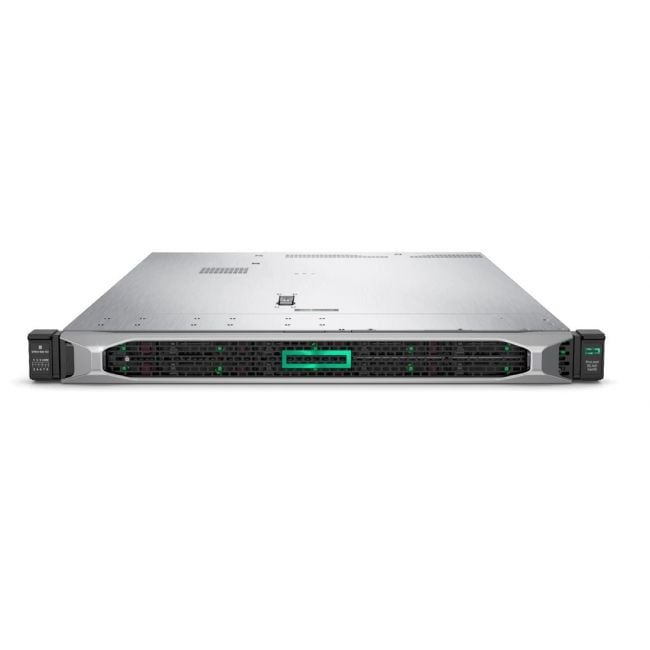
The HP ProLiant DL385 G2 server combines solid dual-core AMD processing with a flexible storage controller and reliable gigabit networking, making it a straightforward choice for mid-range server needs. Its design fits well in data centers requiring efficient rack space use and dependable hardware for everyday business computing tasks. |
General Information |
|
|---|---|
| Brand | HPE |
| Part Number | P40406-B21 |
Technical Information |
|
|---|---|
| Memory | 4GB DDR2 ECC Registered (installed) |
| Processor | 2x AMD Opteron 2218 Dual-Core 2.6GHz |
| Storage | Smart Array P400 RAID controller with 512MB BBWC, 8 x SFF (2.5") hot-plug drive bays (supports SAS/SATA), no HDDs included (drive configuration not specified) |
Physical Characteristics |
|
|---|---|
| Weight | 5.00 |
| Condition | Refurbished |
Miscellaneous |
|
|---|---|
| Assembly Required | Yes |
| Eco Friendly | Yes |
| Compliance Standards | WEEE, RoHS, cURus, CE, FCC, CCC, UL, TUV, cULus, CSA, cUL |
Product Description |
|---|
The HP ProLiant DL385 G2 is a 2U rack server built for performance and reliability in data centers and enterprise environments. Featuring dual AMD Opteron processors, it handles demanding workloads efficiently. Its configuration with 4GB RAM and dual gigabit network adapters makes it suitable for virtualization, database management, and web hosting tasks. Commonly found in small to medium businesses, this server supports scalable storage thanks to its Smart Array P400 controller with battery-backed write cache, ensuring data integrity and faster write speeds. IT professionals benefit from its flexible design and balanced hardware setup. Key Features
This server is typically deployed in rack-mounted data centers where space and performance need to be balanced. It is a practical choice for businesses looking to maintain reliable service for applications with steady resource demands. Its real-world role often includes hosting virtual machines, handling file services, or supporting business applications without extensive overhead. |
 Shipping Options
 International Delivery
Requires a UPS, FedEx, or DHL account. Customers may arrange pickup from our US warehouse.
International Delivery
Requires a UPS, FedEx, or DHL account. Customers may arrange pickup from our US warehouse.
 Payment Methods
We accept Visa, Mastercard, AMEX, Discover, and Wire Transfer.
Payment Methods
We accept Visa, Mastercard, AMEX, Discover, and Wire Transfer.
 Purchase Orders
We process purchase orders for government agencies, enterprises, data centers, and SMBs.
Purchase Orders
We process purchase orders for government agencies, enterprises, data centers, and SMBs.