

Subscribe To Our Newsletter!
Subscribe to the newsletter to stay up to date with the latest news and most useful
Newsletter
↑
Back to Top



Product Overview |
|---|
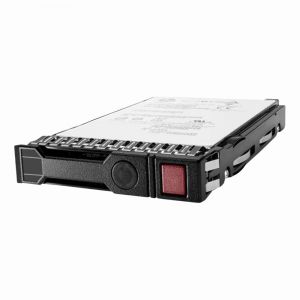
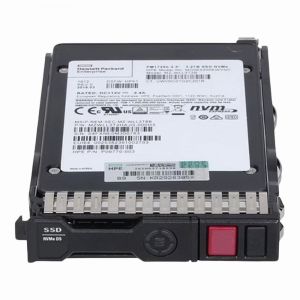
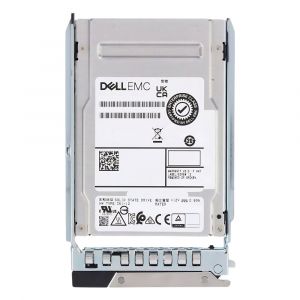
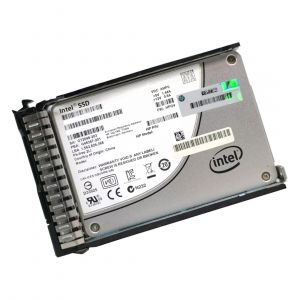
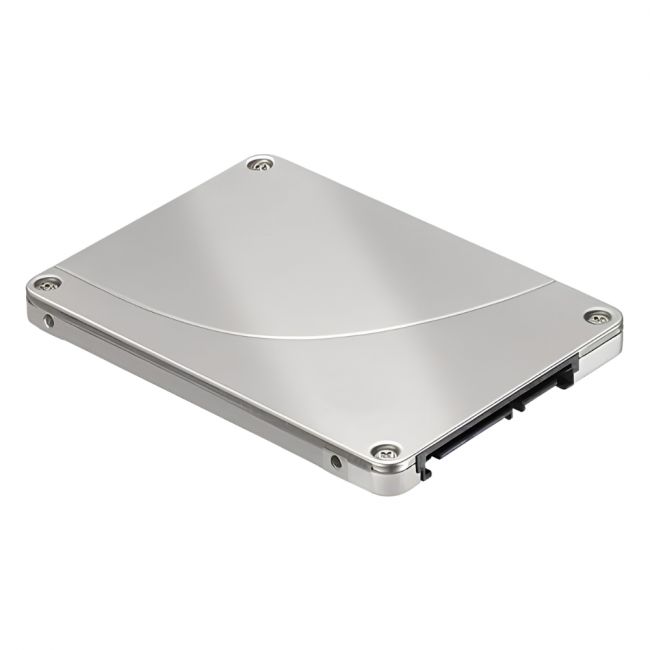
The P37834-001 HPE 15.36TB PCIe NVMe SSD delivers high-capacity solid-state storage using a PCIe interface and NVMe protocol. It is designed to fit within HPE server systems, offering fast storage access and large data capacity critical for enterprise data center operations. |
General Information |
|
|---|---|
| Brand | HPE |
Technical Information |
|
|---|---|
| Capacity | 15.36TB |
| Form Factor | PCIe NVMe |
| Interface | PCIe |
Physical Characteristics |
|
|---|---|
| Weight | 0.60 |
| Condition | Refurbished |
Product Description |
|---|
The P37834-001 HPE 15.36TB PCIe NVMe SSD is a solid-state storage device intended for use in high-capacity, high-throughput computing environments. It is typically deployed in data centers and enterprise storage solutions where fast access to large volumes of data is required. IT professionals and system administrators utilize this drive to meet performance and capacity needs in HPE server platforms. This solid-state drive connects via the PCIe interface and uses the NVMe protocol, which enables low latency and high input/output operations per second (IOPS) compared to traditional storage drives. Key Features
This SSD serves the practical purpose of providing substantial storage with accelerated access speeds, supporting large-scale applications and databases. Its deployment contributes to system performance optimization and storage consolidation in enterprise IT infrastructures. |
Use Cases |
|---|
This SSD is typically used in enterprise data centers and server environments that require large-scale, high-speed storage solutions. It benefits workloads that demand rapid data retrieval and substantial storage space, such as databases, virtualization, and large file storage. How It's Used:
Overall, this SSD plays a key role in enhancing storage capacity and data throughput in environments where efficient data handling is crucial. It supports operational demands without introducing unsupported claims about specific performance metrics. |
FAQ's |
|---|
|
 Shipping Options
 International Delivery
Requires a UPS, FedEx, or DHL account. Customers may arrange pickup from our US warehouse.
International Delivery
Requires a UPS, FedEx, or DHL account. Customers may arrange pickup from our US warehouse.
 Payment Methods
We accept Visa, Mastercard, AMEX, Discover, and Wire Transfer.
Payment Methods
We accept Visa, Mastercard, AMEX, Discover, and Wire Transfer.
 Purchase Orders
We process purchase orders for government agencies, enterprises, data centers, and SMBs.
Purchase Orders
We process purchase orders for government agencies, enterprises, data centers, and SMBs.