

Subscribe To Our Newsletter!
Subscribe to the newsletter to stay up to date with the latest news and most useful
Newsletter
↑
Back to Top



Product Overview |
|---|
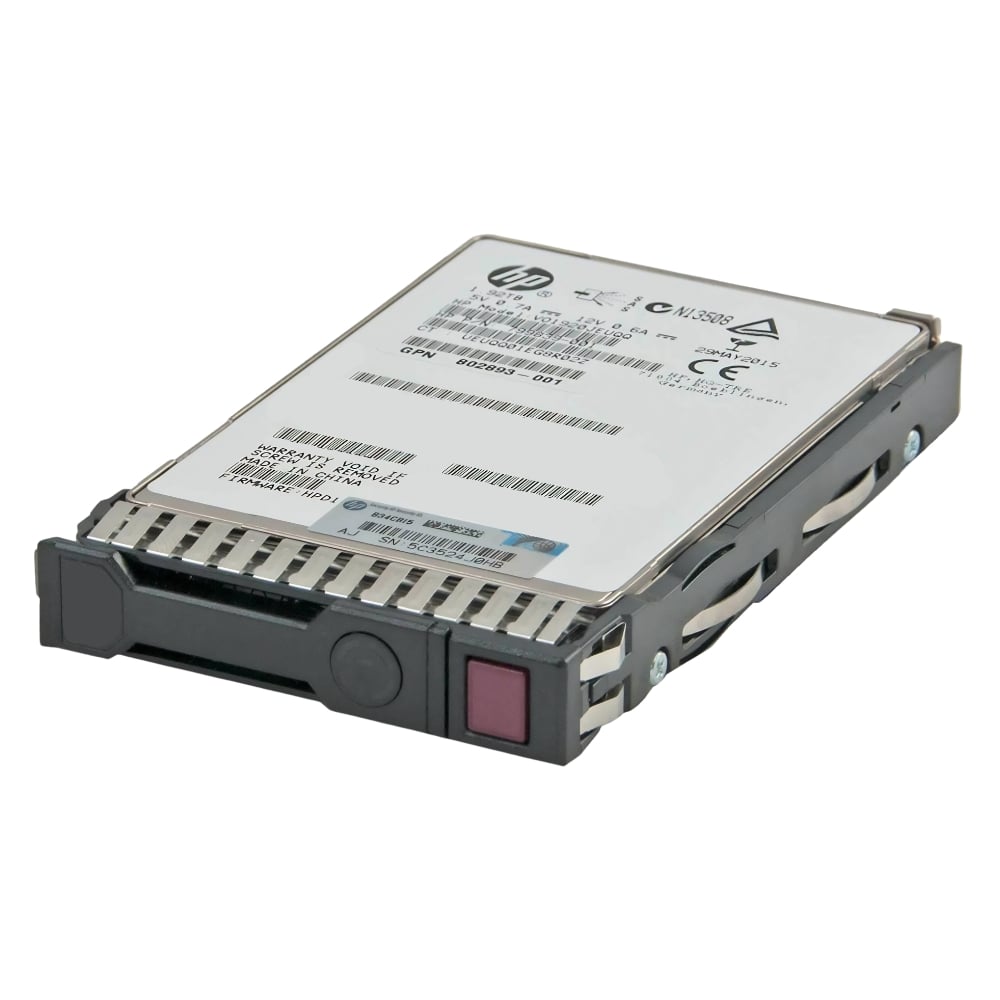
This HPE 7.68TB NVMe Read Intensive SSD delivers high-capacity storage performance designed for enterprise servers requiring fast, reliable access to large datasets. Built with NVMe technology and U.3 interface, it provides significantly faster data access compared to traditional SATA SSDs while supporting the demanding I/O patterns of read-heavy workloads in modern data center environments. |
General Information |
|
|---|---|
| Brand | HPE |
| Part Number | P31189-B21 |
Technical Information |
|
|---|---|
| Capacity | 7.68TB |
| Form Factor | 2.5-inch |
| Interface | U.3 |
Physical Characteristics |
|
|---|---|
| Weight | 0.60 |
| Condition | Refurbished |
Product Description |
|---|
This HPE 7.68TB NVMe Read Intensive SSD delivers exceptional storage performance tailored for data center environments with predominantly read-oriented workloads. Built on the U.3 form factor, this drive integrates seamlessly into HPE ProLiant servers and storage systems, providing a scalable solution for enterprise storage expansion. The NVMe interface eliminates traditional storage bottlenecks, delivering significantly higher throughput compared to SATA-based SSDs while maintaining power efficiency across high-density deployments. The drive's read-intensive classification ensures optimized endurance for applications that frequently access stored data without heavy write operations, making it an ideal choice for organizations looking to balance performance requirements with cost-effective capacity scaling. Key Features
Organizations deploying this SSD benefit from HPE's rigorous qualification testing and firmware optimization, ensuring reliable operation within HPE infrastructure while maintaining consistent performance characteristics throughout the drive lifecycle. |
Use Cases |
|---|
This NVMe SSD is primarily deployed in HPE ProLiant rack and tower servers for organizations running database applications, virtualization platforms, and content delivery systems that require high-speed data access with substantial storage capacity. It is particularly suited for environments where read performance is critical, such as data analytics platforms, web hosting infrastructure, and enterprise applications with large active datasets. How It's Used:
These deployments typically see improved application responsiveness, faster batch processing completion, and better user experience metrics across enterprise workloads that are read-dominant in nature. |
 Shipping Options
 International Delivery
Requires a UPS, FedEx, or DHL account. Customers may arrange pickup from our US warehouse.
International Delivery
Requires a UPS, FedEx, or DHL account. Customers may arrange pickup from our US warehouse.
 Payment Methods
We accept Visa, Mastercard, AMEX, Discover, and Wire Transfer.
Payment Methods
We accept Visa, Mastercard, AMEX, Discover, and Wire Transfer.
 Purchase Orders
We process purchase orders for government agencies, enterprises, data centers, and SMBs.
Purchase Orders
We process purchase orders for government agencies, enterprises, data centers, and SMBs.