

Subscribe To Our Newsletter!
Subscribe to the newsletter to stay up to date with the latest news and most useful
Newsletter
↑
Back to Top



Product Overview |
|---|
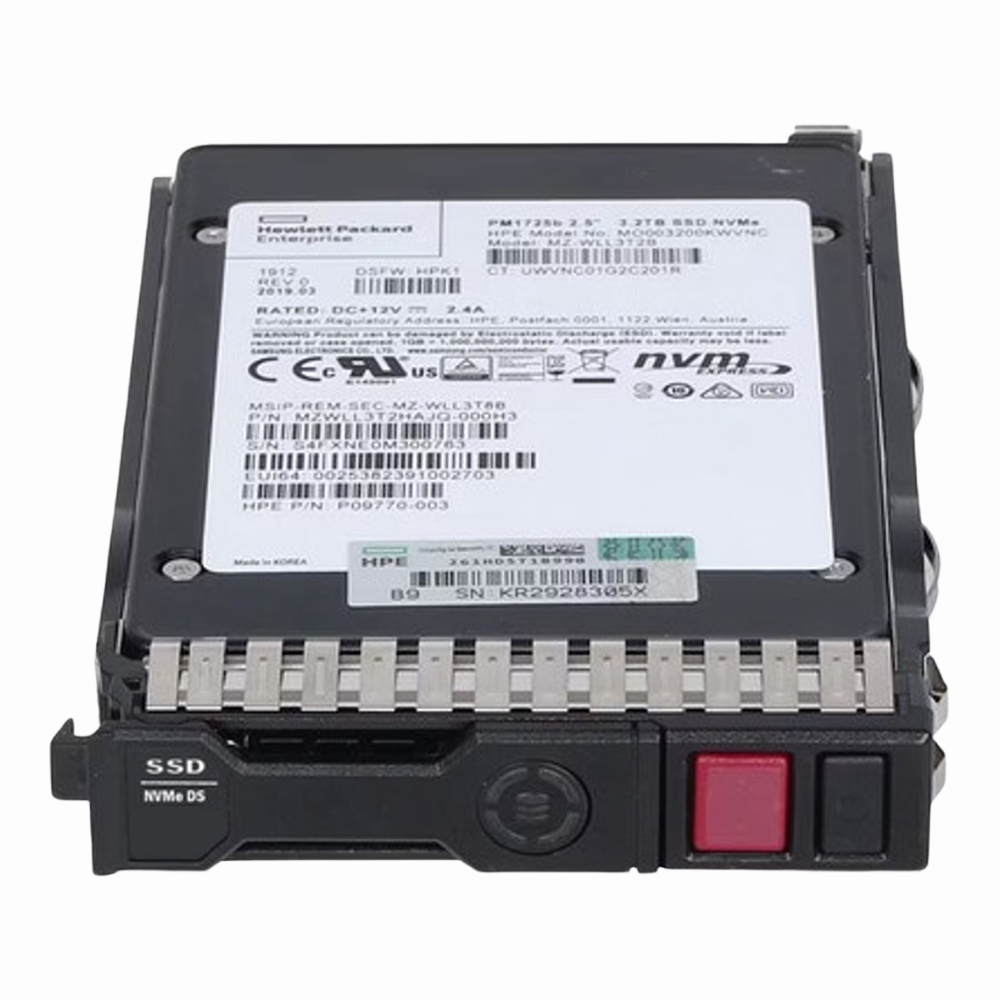
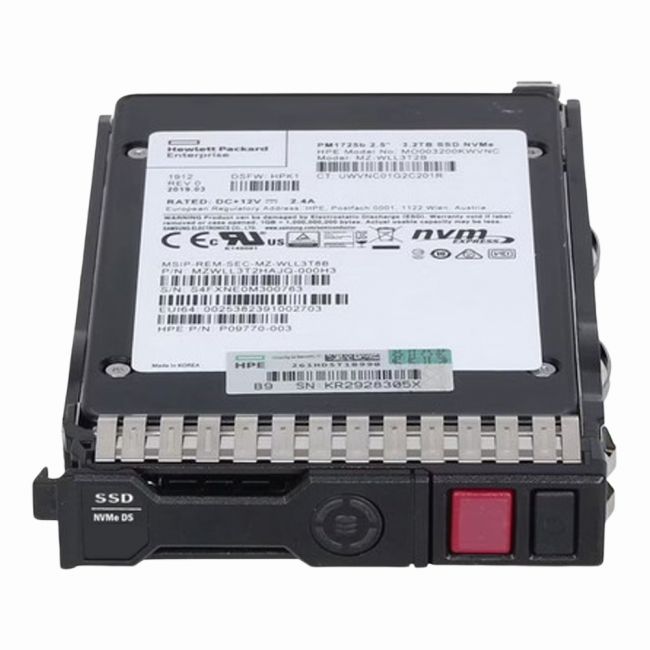
The HP 960GB Triple-Level Cell PCI Express NVMe 3.0 x4 SSD provides a solid blend of capacity and speed, fitting well into enterprise environments focused on read-intensive workloads. Its PCIe NVMe interface and 2.5-inch form factor make it suitable for a wide range of server and storage applications where rapid data access is essential. |
General Information |
|
|---|---|
| Brand | HP |
| Part Number | P26423-001 |
Technical Information |
|
|---|---|
| Capacity | 960GB |
| NAND Flash | Triple-Level Cell (TLC) |
| Memory Technology | Triple-Level Cell (TLC) |
| Form Factor | 2.5-inch |
| Interface | PCIe Gen 3.0 x4 |
Physical Characteristics |
|
|---|---|
| Weight | 1.10 |
| Condition | Refurbished |
Product Description |
|---|
This HP 960GB Triple-Level Cell PCIe NVMe SSD is built to handle read-intensive applications with high efficiency and speed. It provides reliable storage performance commonly used in enterprise servers and data centers where fast access to data is critical. Often found in environments requiring consistent data retrieval, such as database management and content delivery systems, this SSD benefits IT professionals looking to enhance storage solutions without sacrificing capacity. Key Features
This drive is typically deployed in servers handling large amounts of data requests and read operations. It plays a key role in systems where fast access to stored data improves overall application responsiveness. |
Use Cases |
|---|
The HP 960GB TLC PCIe NVMe 3.0 x4 SSD is commonly deployed in enterprise data centers and server environments where fast read access and reliability are critical. It is well-suited for workloads that require rapid retrieval of large datasets, benefiting IT professionals managing storage clusters or virtualization platforms. How It's Used:
This SSD facilitates efficient data throughput and scalability in demanding read-centric setups, ensuring consistent performance and reduced latency. Its compatibility with common server form factors and interfaces helps maintain operational continuity across diverse storage configurations. |
 Shipping Options
 International Delivery
Requires a UPS, FedEx, or DHL account. Customers may arrange pickup from our US warehouse.
International Delivery
Requires a UPS, FedEx, or DHL account. Customers may arrange pickup from our US warehouse.
 Payment Methods
We accept Visa, Mastercard, AMEX, Discover, and Wire Transfer.
Payment Methods
We accept Visa, Mastercard, AMEX, Discover, and Wire Transfer.
 Purchase Orders
We process purchase orders for government agencies, enterprises, data centers, and SMBs.
Purchase Orders
We process purchase orders for government agencies, enterprises, data centers, and SMBs.