

Subscribe To Our Newsletter!
Subscribe to the newsletter to stay up to date with the latest news and most useful
Newsletter
↑
Back to Top



Product Overview |
|---|
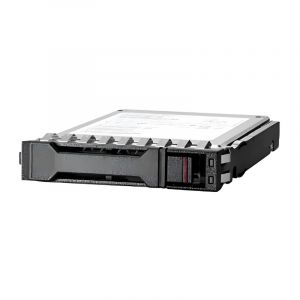
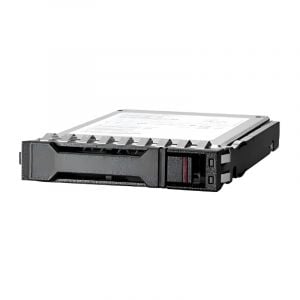
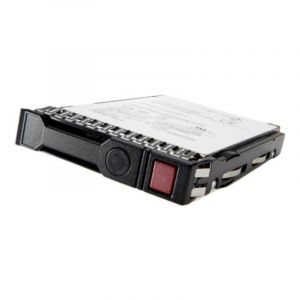
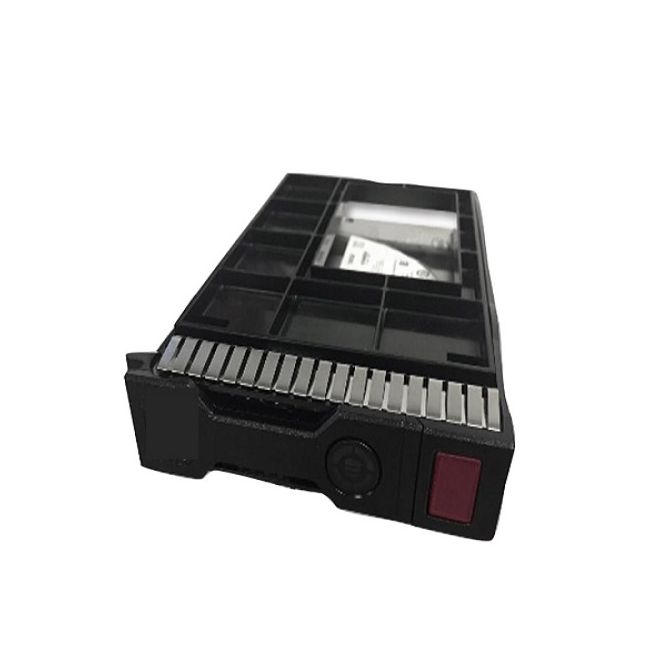
The HPE P25241-001 3.84TB 6Gb/s SATA QLC 3.5-Inch Solid State Drive is engineered to deliver efficient and reliable storage performance for enterprise environments. Its substantial capacity and read-optimized design make it ideal for applications such as data archiving, media streaming, and cloud storage, where high read throughput is essential. The drive's integration of QLC NAND technology and Digitally Signed Firmware ensures a secure and cost-effective solution for organizations aiming to optimize their data storage infrastructure. |
General Information |
|
|---|---|
| Brand | HPE |
| Part Number | P25241-001 |
| Drive Type | Internal (SSD) |
Technical Information |
|
|---|---|
| Capacity | 3.84TB |
| Memory Technology | Quad-Level Cell (QLC) |
| Form Factor | 3.5-inch |
| Interface | SATA 6GB/s |
Physical Characteristics |
|
|---|---|
| Dimensions | 1.03 x 4.00 x 5.75 inches |
| Weight | 0.50 |
| Condition | Refurbished |
Product Description |
|---|
The HPE P25241-001 is a 3.84TB Solid State Drive (SSD) designed to meet the demands of enterprise environments requiring efficient and reliable storage solutions. Featuring a 6Gb/s SATA interface, this drive ensures consistent data transfer rates suitable for read-intensive applications. Its 3.5-inch Large Form Factor (LFF) design allows for easy integration into HPE ProLiant servers, providing a straightforward upgrade path for organizations aiming to enhance their storage performance. Utilizing Quad-Level Cell (QLC) NAND technology, the SSD offers a cost-effective solution for workloads that prioritize read operations. Additionally, the inclusion of Digitally Signed Firmware (DS) ensures data security by preventing unauthorized access and protecting against malicious attacks. Key Features
This SSD is tailored for enterprises seeking to enhance their storage solutions with a focus on read-intensive workloads, providing a balance between capacity, performance, and cost-effectiveness. |
 Shipping Options
 International Delivery
Requires a UPS, FedEx, or DHL account. Customers may arrange pickup from our US warehouse.
International Delivery
Requires a UPS, FedEx, or DHL account. Customers may arrange pickup from our US warehouse.
 Payment Methods
We accept Visa, Mastercard, AMEX, Discover, and Wire Transfer.
Payment Methods
We accept Visa, Mastercard, AMEX, Discover, and Wire Transfer.
 Purchase Orders
We process purchase orders for government agencies, enterprises, data centers, and SMBs.
Purchase Orders
We process purchase orders for government agencies, enterprises, data centers, and SMBs.