

Subscribe To Our Newsletter!
Subscribe to the newsletter to stay up to date with the latest news and most useful
Newsletter
↑
Back to Top



Product Overview |
|---|
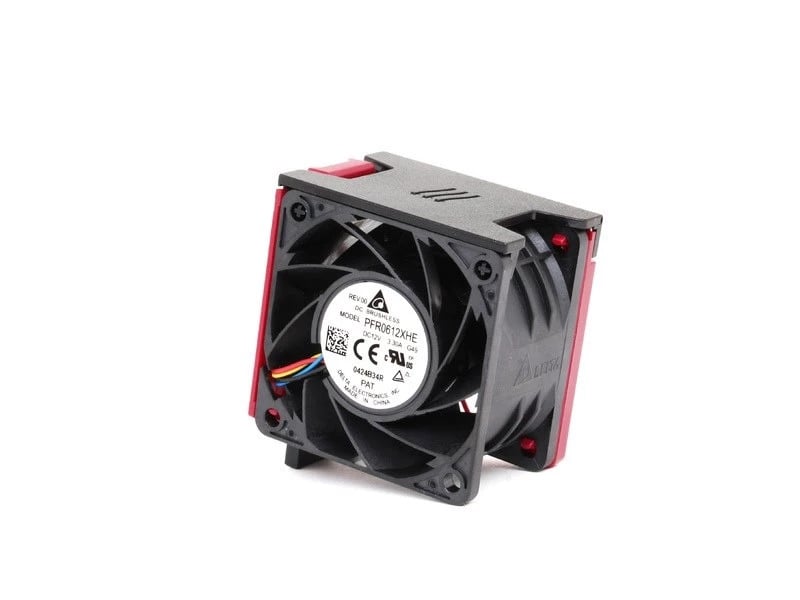
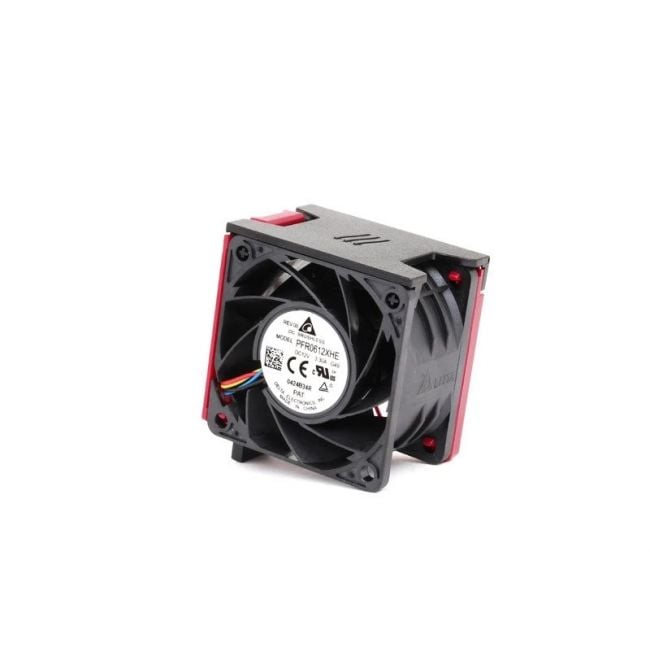
The P23971-001 HPE ProLiant DL300 Gen10 Plus Standard Fan provides essential cooling to maintain system stability in enterprise servers. It fits within the DL300 Gen10 Plus chassis and helps manage internal temperatures, keeping hardware components running smoothly under load. This fan is a straightforward but vital part of the server’s thermal management system, commonly seen in data centers where reliable, consistent cooling is required. |
General Information |
|
|---|---|
| Brand | HPE |
| Part Number | P23971-001 |
Technical Specification |
|
|---|---|
| Component Type | Chassis Fan |
| Cooling Method | Active |
| Size | Standard |
| Material | Plastic housing with metal (aluminum/steel) impeller |
| Compatibility | HPE ProLiant DL300 Gen10 Plus servers |
| Voltage | 12V DC |
| Connector Type | 4-pin PWM server fan connector |
| Airflow Direction | Front-to-back |
Physical Characteristics |
|
|---|---|
| Form Factor | Hot-plug redundant fan module (server chassis fan) |
| Weight | 5.00 |
| Condition | Refurbished |
Miscellaneous |
|
|---|---|
| Assembly Required | Yes |
| Eco Friendly | Yes |
| Compliance Standards | WEEE, RoHS, CE, UL, cULus |
Product Description |
|---|
The P23971-001 ProLiant DL300 Gen10 Plus Standard Fan is a crucial component for maintaining the proper thermal environment inside HPE servers. It works to keep internal components cool by facilitating consistent airflow, which helps prevent overheating and maintains system stability. Often found in enterprise data centers and server rooms, this fan supports the smooth operation of high-performance computing equipment. IT professionals and system administrators rely on such fans to ensure their hardware runs efficiently without interruption. Key Features
This fan is typically installed in rack-mounted servers where managing heat is critical. By controlling temperatures, it helps extend the life of valuable server components and reduces the risk of hardware failure. Its robust design ensures it can handle the demands of constant use, making it a dependable choice for maintaining server health. |
Use Cases |
|---|
The P23971-001 HPE Standard Fan is primarily utilized within enterprise-grade data center environments where HPE ProLiant DL300 Gen10 Plus servers are deployed. IT professionals managing rack-mounted servers benefit from its reliable cooling capabilities, ensuring sustained operation during high-demand workloads such as virtualization and database management. How It's Used:
By integrating seamlessly with the DL300 Gen10 Plus server chassis, this fan contributes to preserving hardware reliability and operational continuity. Its role in effective thermal regulation supports IT infrastructure scalability and performance consistency across diverse deployment scenarios. |
 Shipping Options
 International Delivery
Requires a UPS, FedEx, or DHL account. Customers may arrange pickup from our US warehouse.
International Delivery
Requires a UPS, FedEx, or DHL account. Customers may arrange pickup from our US warehouse.
 Payment Methods
We accept Visa, Mastercard, AMEX, Discover, and Wire Transfer.
Payment Methods
We accept Visa, Mastercard, AMEX, Discover, and Wire Transfer.
 Purchase Orders
We process purchase orders for government agencies, enterprises, data centers, and SMBs.
Purchase Orders
We process purchase orders for government agencies, enterprises, data centers, and SMBs.