

Subscribe To Our Newsletter!
Subscribe to the newsletter to stay up to date with the latest news and most useful
Newsletter
↑
Back to Top



Product Overview |
|---|
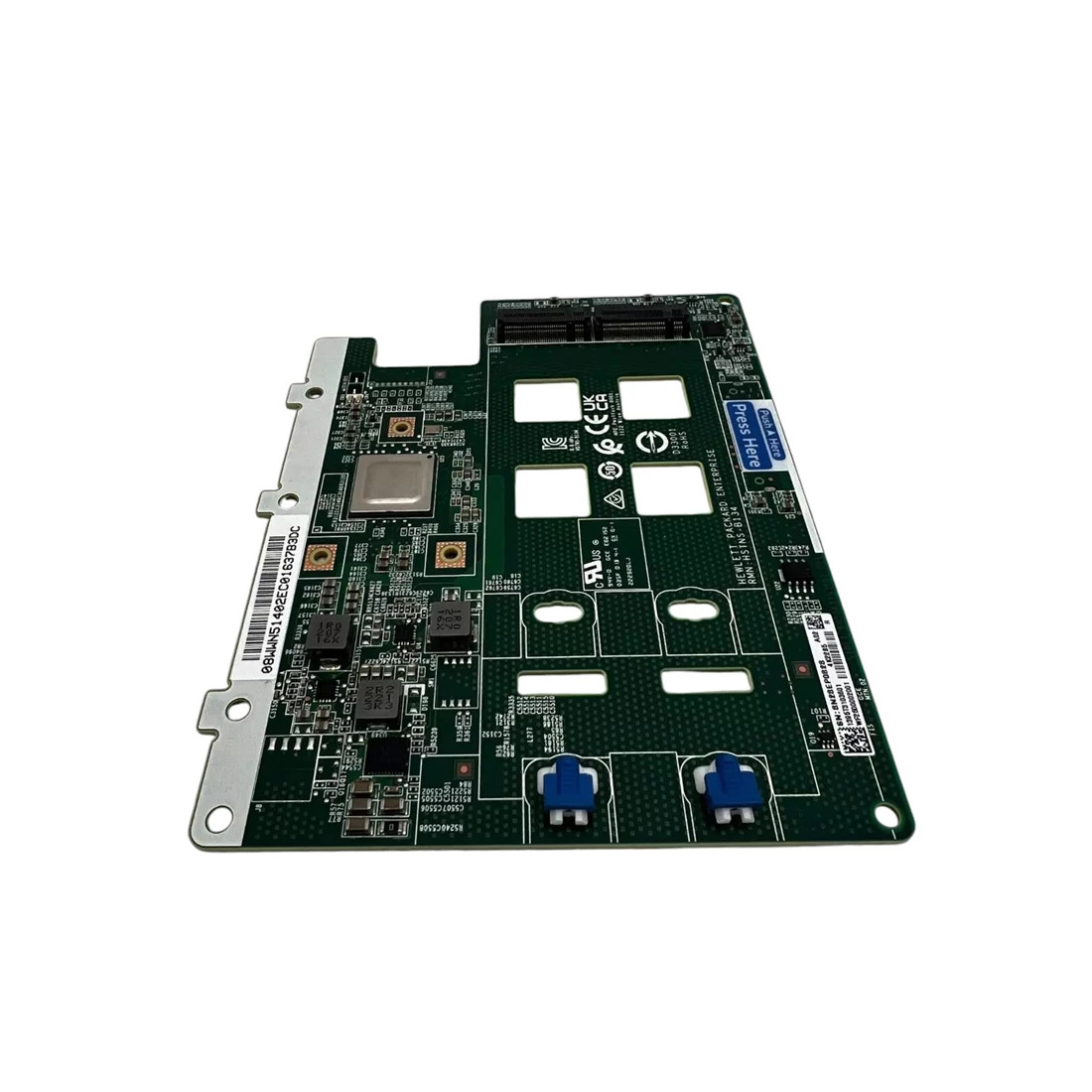
The P21410-B21 HPE NS204i-d Gen10 Plus NVMe PCIe 3.0 x4 M.2 OS Boot Device serves as a bridge between the server motherboard and an M.2 NVMe SSD, enabling efficient operating system booting on HPE Gen10 Plus platforms. It fits into PCIe 3.0 x4 slots and is designed to support the high-speed demands of NVMe SSDs in enterprise server environments. |
General Information |
|
|---|---|
| Brand | HPE |
| Part Number | P21410-B21 |
Technical Information |
|
|---|---|
| Series | NS204i-d Gen10 Plus |
| product type | NVMe PCIe 3.0 x4 M.2 OS Boot Device |
Miscellaneous |
|
|---|---|
| Assembly Required | No |
| Eco Friendly | Yes |
| Compliance Standards | WEEE, RoHS, cURus, CE, FCC, CCC, UL, TUV, cULus, CSA, cUL |
Physical Characteristics |
|
|---|---|
| Form Factor | M.2 (NVMe) PCIe adapter |
| Weight | 5.00 |
| Condition | Refurbished |
Product Description |
|---|
The P21410-B21 is an OS boot device designed for HPE NS204i-d Gen10 Plus servers, providing a reliable connection for NVMe M.2 drives. It’s commonly integrated into server environments where quick boot times and efficient storage access are critical. This device is often found in data centers and enterprise IT setups, utilized by system administrators who require a streamlined way to set up operating systems on high-performance servers. It’s built for compatibility with PCIe 3.0 x4 slots, making it ideal for NVMe SSDs that demand high throughput. Key Features
This device is typically deployed in enterprise servers where OS boot drives need to be separate from storage arrays. Its role in data centers helps maintain system stability and quick startup times by providing dedicated NVMe boot functionality. By separating the boot device from other storage, it also simplifies maintenance and upgrades. |
Use Cases |
|---|
This boot device interface is used primarily in enterprise server environments requiring flexible and high-performance OS boot solutions. How It's Used:
Its use ensures that servers have adaptable boot options aligned with enterprise performance and reliability standards. |
 Shipping Options
 International Delivery
Requires a UPS, FedEx, or DHL account. Customers may arrange pickup from our US warehouse.
International Delivery
Requires a UPS, FedEx, or DHL account. Customers may arrange pickup from our US warehouse.
 Payment Methods
We accept Visa, Mastercard, AMEX, Discover, and Wire Transfer.
Payment Methods
We accept Visa, Mastercard, AMEX, Discover, and Wire Transfer.
 Purchase Orders
We process purchase orders for government agencies, enterprises, data centers, and SMBs.
Purchase Orders
We process purchase orders for government agencies, enterprises, data centers, and SMBs.