

Subscribe To Our Newsletter!
Subscribe to the newsletter to stay up to date with the latest news and most useful
Newsletter
↑
Back to Top



Product Overview |
|---|
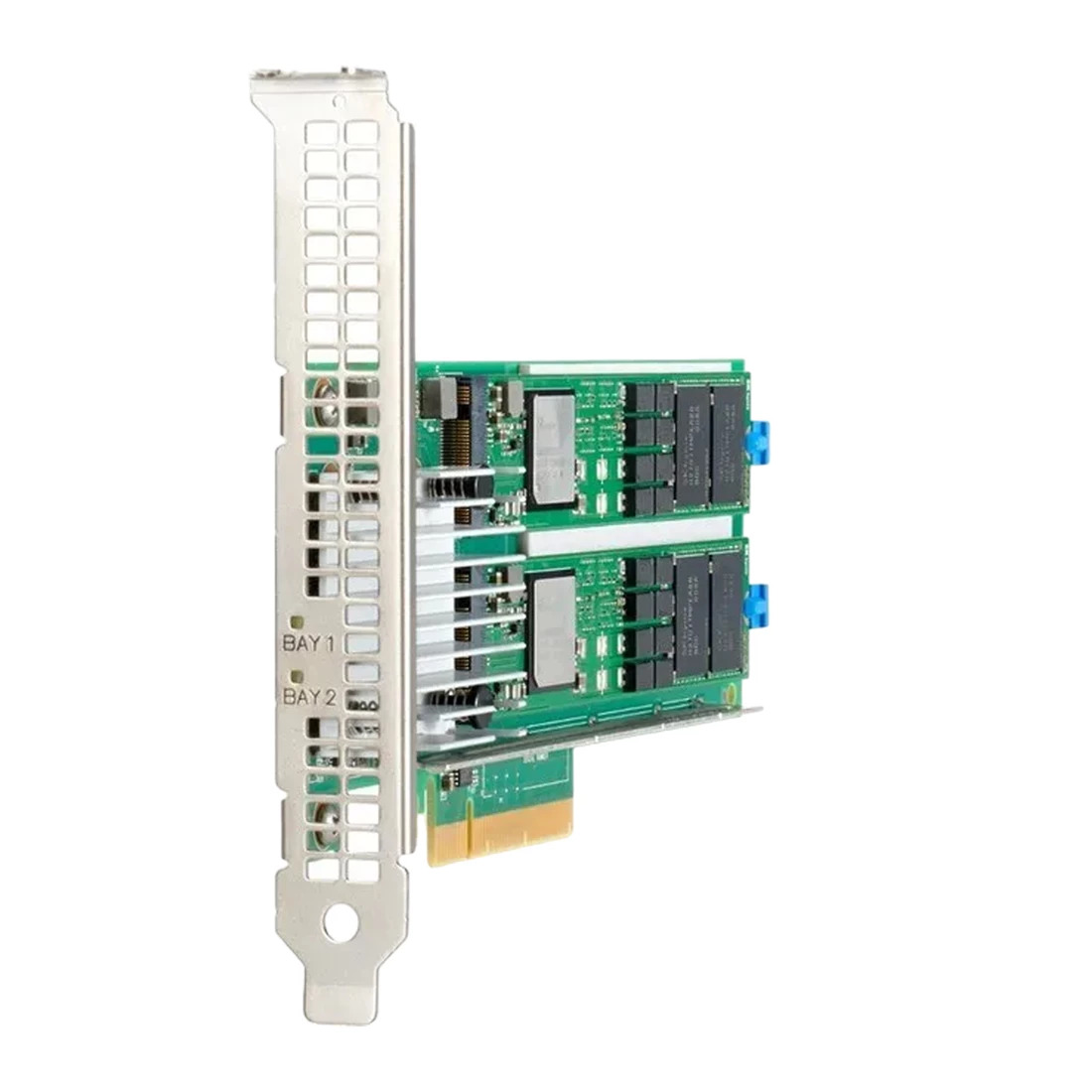
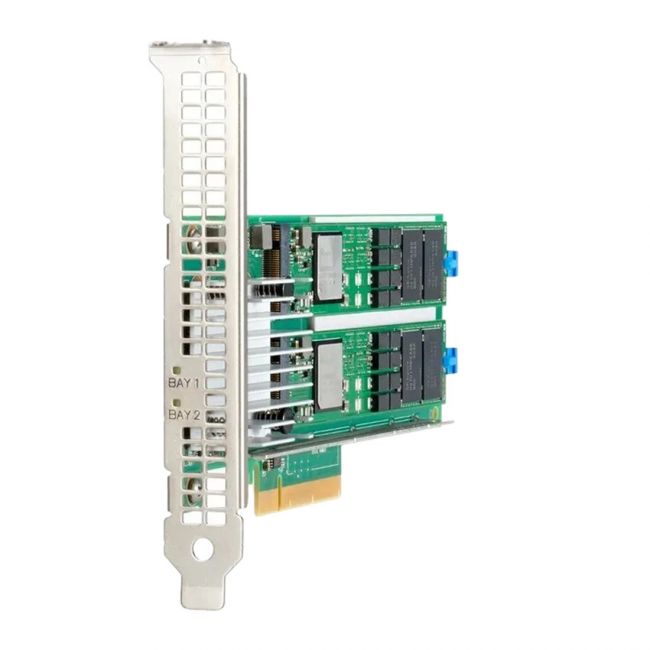
The P14379-001 HPE NS204i-p is an NVMe PCIe 3.0 x8 OS boot device built to integrate seamlessly into HPE servers. It serves as a dedicated boot drive, delivering fast and reliable access for operating systems in professional IT settings where startup speed and system stability matter. |
General Information |
|
|---|---|
| Brand | HPE |
| Part Number | P14379-001 |
Technical Information |
|
|---|---|
| Form Factor | PCIe Add-in Card |
| Interface | PCIe Gen 3.0 x8 |
| Hot Swappable | No |
| Hot Pluggable | No |
Physical Characteristics |
|
|---|---|
| Weight | 5.00 |
| Condition | Refurbished |
Miscellaneous |
|
|---|---|
| Eco Friendly | Yes |
Product Description |
|---|
This device is an OS boot drive designed for Hewlett Packard Enterprise (HPE) systems, utilizing NVMe technology over a PCIe 3.0 x8 interface to provide fast and reliable boot performance. It often appears in enterprise servers requiring efficient startup and system responsiveness. Built for IT professionals managing HPE server infrastructure, it supports critical operating system functions with enhanced speed and stability. The dual-lane setup ensures consistent data flow and reduces bottlenecks during boot operations. Key Features
This OS boot device typically resides in data centers and corporate server rooms where dependable boot performance is crucial. It supports the smooth startup of critical enterprise applications and helps maintain uptime in demanding environments. |
Use Cases |
|---|
The P14379-001 HPE NS204i-p NVMe SSD is specifically designed to serve as an OS boot device in HPE server environments. It is best suited for IT infrastructures that require rapid system initialization and consistent boot performance, such as data centers and enterprise IT operations. How It's Used:
By delivering low latency and high throughput, this NVMe boot device enhances operational efficiency and reduces server downtime. It supports scalable server architectures by ensuring consistent boot performance across various workloads and deployment models. |
 Shipping Options
 International Delivery
Requires a UPS, FedEx, or DHL account. Customers may arrange pickup from our US warehouse.
International Delivery
Requires a UPS, FedEx, or DHL account. Customers may arrange pickup from our US warehouse.
 Payment Methods
We accept Visa, Mastercard, AMEX, Discover, and Wire Transfer.
Payment Methods
We accept Visa, Mastercard, AMEX, Discover, and Wire Transfer.
 Purchase Orders
We process purchase orders for government agencies, enterprises, data centers, and SMBs.
Purchase Orders
We process purchase orders for government agencies, enterprises, data centers, and SMBs.