

Subscribe To Our Newsletter!
Subscribe to the newsletter to stay up to date with the latest news and most useful
Newsletter
↑
Back to Top



Product Overview |
|---|
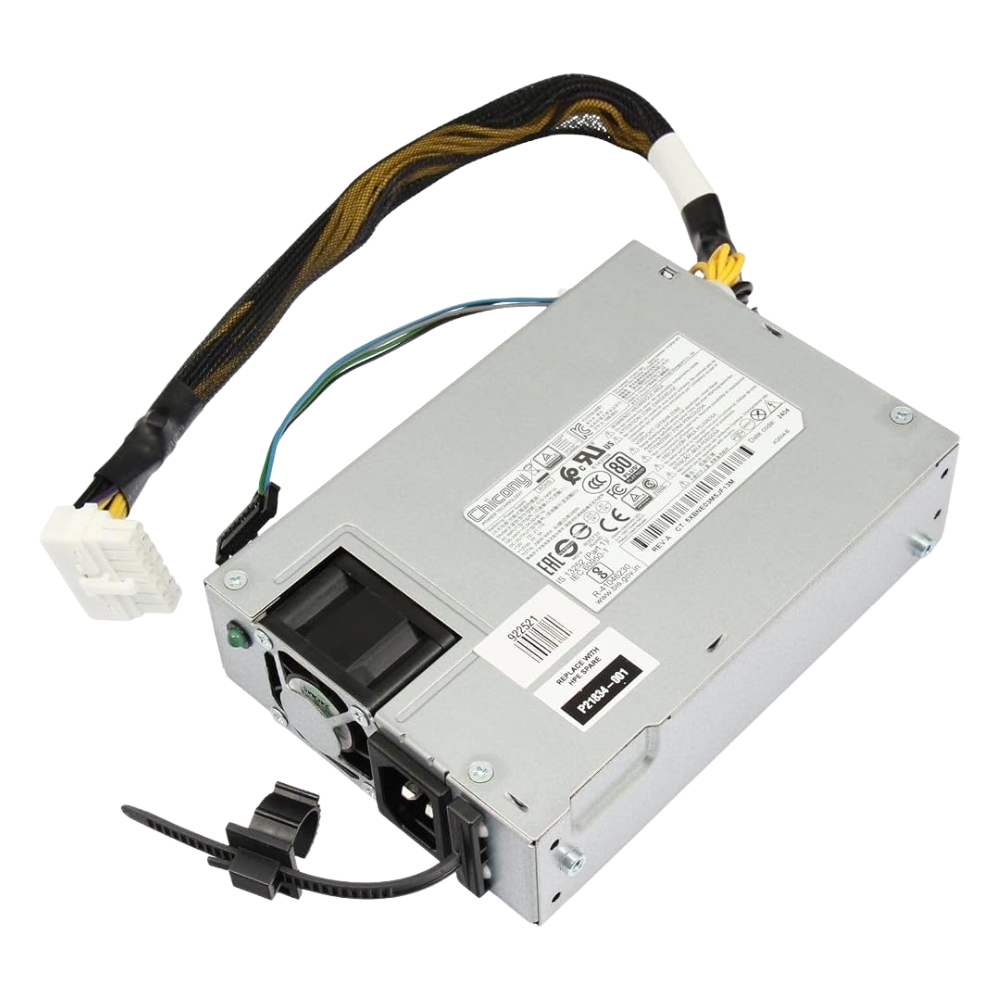
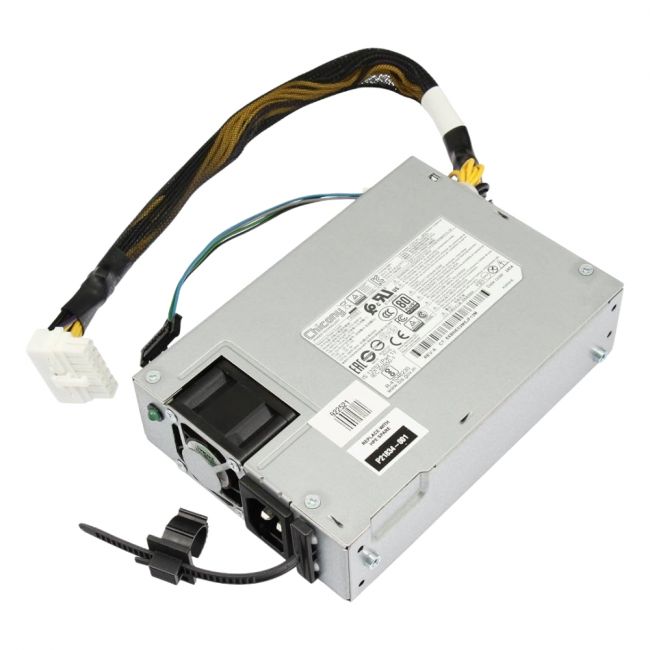
The HPE P06731-B21 290W FIO Power Supply Unit offers efficient power delivery for HPE ProLiant DL20 Gen10 servers, ensuring stable performance in environments where planned maintenance is feasible. |
General Information |
|
|---|---|
| Brand | HPE |
| Part Number | P06731-B21 |
| Product Type | Server Power Supply |
| Condition | Refurbished |
Technical Information |
|
|---|---|
| Input Voltage | 100-240V AC |
| Input Frequency | 50-60 Hz |
| Max. Output Power | 290W |
| Efficiency Rating | 80 Plus Platinum |
| Hot Swappable | No |
| Redundant Support | No |
| Cooling Type | Active Fan |
| Modularity | Non-Modular |
| rail_design | Single 12V Rail |
| Number of Fans | 1 |
Compatibility |
|
|---|---|
| Form Factor | Proprietary |
| Compatible For | HPE ProLiant DL20 Gen10 |
Physical Characteristics |
|
|---|---|
| Weight | 5.00 |
Product Description |
|---|
The HPE P06731-B21 290W FIO Power Supply Unit is designed to provide efficient and reliable power to HPE ProLiant DL20 Gen10 servers, ensuring stable operation in various computing environments. Key Features
This power supply unit is ideal for small to medium-sized businesses and data centers seeking a cost-effective solution for their server power needs. Its non-hot-plug nature makes it suitable for planned maintenance windows. |
Use Cases |
|---|
The HPE 290-Watt Server Power Supply (P06731-B21) is designed for deployments where reliable, efficient power delivery is essential, particularly in stable server environments without hot-swap requirements. It suits IT infrastructures prioritizing controlled maintenance schedules and energy efficiency in mid-range rack or tower servers. How It's Used:
This power supply unit enhances operational stability by delivering consistent power tailored for controlled server environments, aiding organizations in maintaining performance while managing energy consumption effectively. Its design supports scalability in infrastructures where planned maintenance is part of operational strategy. |
 Shipping Options
 International Delivery
Requires a UPS, FedEx, or DHL account. Customers may arrange pickup from our US warehouse.
International Delivery
Requires a UPS, FedEx, or DHL account. Customers may arrange pickup from our US warehouse.
 Payment Methods
We accept Visa, Mastercard, AMEX, Discover, and Wire Transfer.
Payment Methods
We accept Visa, Mastercard, AMEX, Discover, and Wire Transfer.
 Purchase Orders
We process purchase orders for government agencies, enterprises, data centers, and SMBs.
Purchase Orders
We process purchase orders for government agencies, enterprises, data centers, and SMBs.