

Subscribe To Our Newsletter!
Subscribe to the newsletter to stay up to date with the latest news and most useful
Newsletter
↑
Back to Top



Product Overview |
|---|
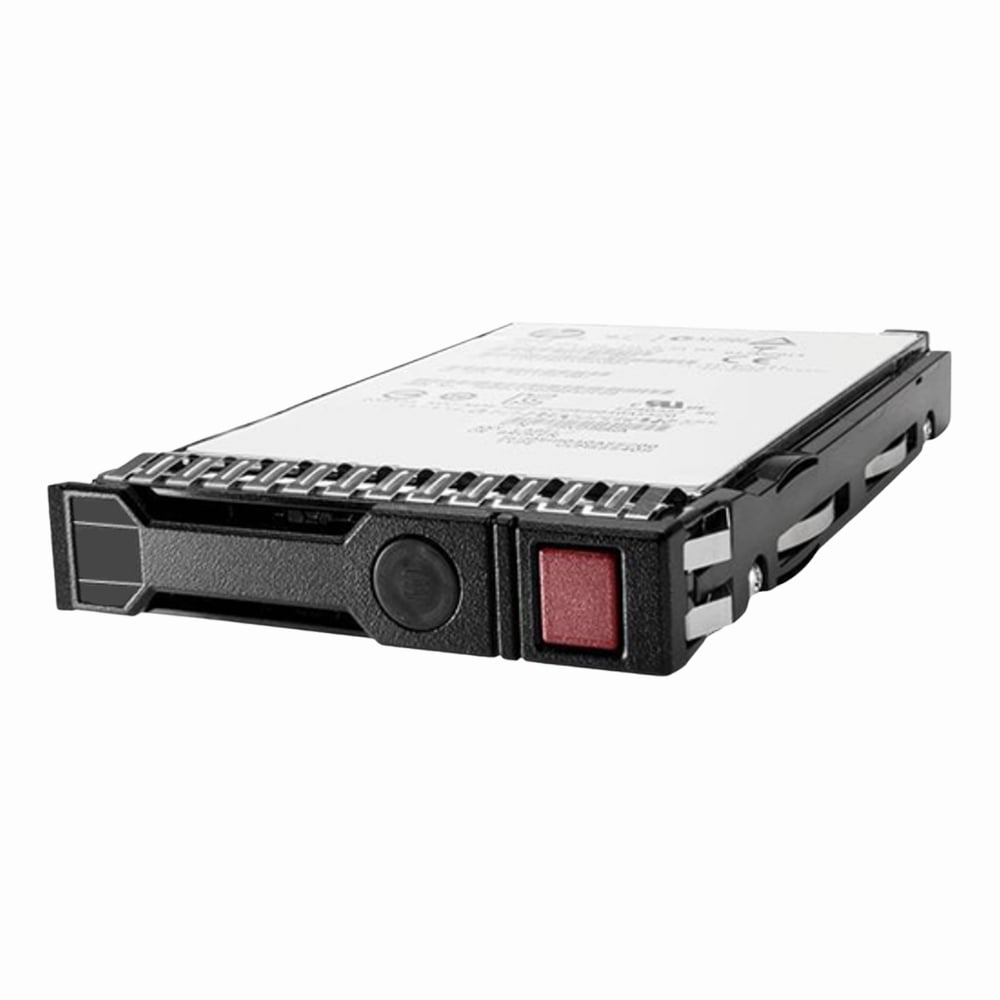
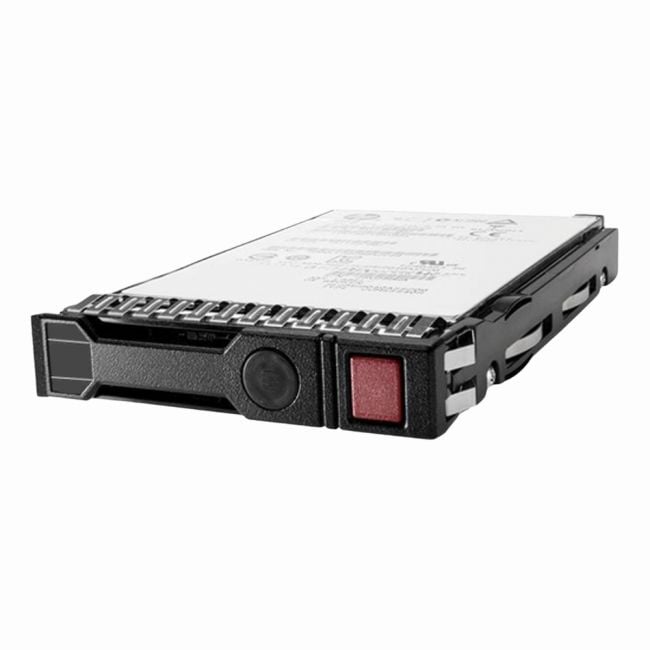
The HP 1.92TB SAS 12Gb/s Solid State Drive is a robust storage solution tailored for ProLiant Gen9 and Gen10 servers. It provides ample capacity and a fast SAS interface that fits within a 2.5-inch form factor, making it suitable for environments focused on read-intensive operations such as database access and virtual machine hosting. |
General Information |
|
|---|---|
| Brand | HP |
| Part Number | P06586-X21 |
Technical Information |
|
|---|---|
| Capacity | 1.92TB |
| Form Factor | 2.5-inch |
| Interface | SAS 12Gb/s |
| Hot Swappable | Yes |
| Hot Pluggable | Yes |
Physical Characteristics |
|
|---|---|
| Weight | 1.10 |
| Condition | Refurbished |
Product Description |
|---|
This HP 1.92TB SAS 12Gb/s Solid State Drive is built to deliver fast and reliable storage performance for enterprise servers. It is commonly used in ProLiant Gen9 and Gen10 systems where high read speeds and consistent data access are important. IT professionals and data center managers often choose this drive for environments that demand quick retrieval of large amounts of data. Key Features
These drives are frequently found in data centers running workloads like analytics, virtualization, and large file serving. Their reliability and speed help maintain performance under demanding conditions without slowing down access times. |
Use Cases |
|---|
The HP 1.92TB SAS 12Gb/s SSD is designed for enterprise IT environments where high read throughput and low latency are critical. It is particularly suited for data centers and virtualized infrastructures that rely on fast access to large datasets and consistent performance under read-intensive workloads. How It's Used:
This SSD supports operational efficiency by delivering consistent read performance that optimizes workload responsiveness. Its scalability within ProLiant server architectures ensures IT teams can maintain high availability and throughput as data demands grow. |
 Shipping Options
 International Delivery
Requires a UPS, FedEx, or DHL account. Customers may arrange pickup from our US warehouse.
International Delivery
Requires a UPS, FedEx, or DHL account. Customers may arrange pickup from our US warehouse.
 Payment Methods
We accept Visa, Mastercard, AMEX, Discover, and Wire Transfer.
Payment Methods
We accept Visa, Mastercard, AMEX, Discover, and Wire Transfer.
 Purchase Orders
We process purchase orders for government agencies, enterprises, data centers, and SMBs.
Purchase Orders
We process purchase orders for government agencies, enterprises, data centers, and SMBs.