

Subscribe To Our Newsletter!
Subscribe to the newsletter to stay up to date with the latest news and most useful
Newsletter
↑
Back to Top



Product Overview |
|---|
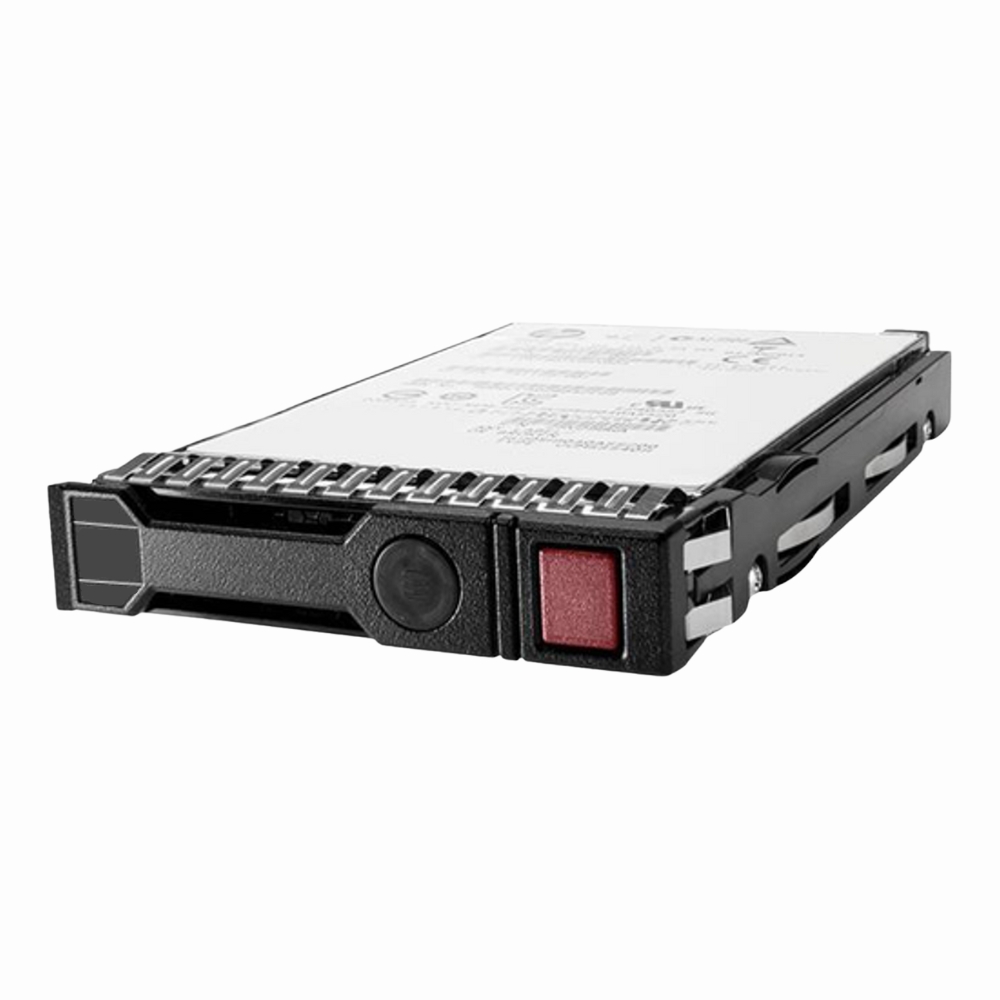
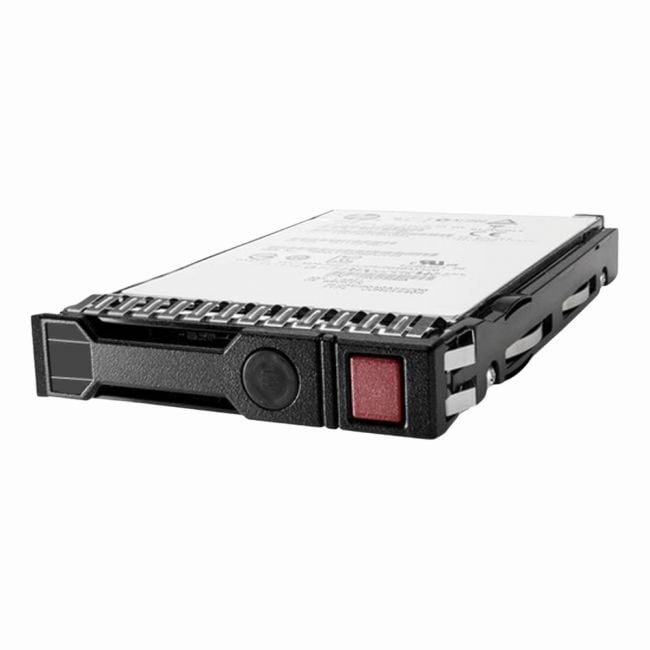
The HP 480GB SATA 6Gb/s Read Intensive Solid State Drive fits into ProLiant G10 servers as a reliable storage option aimed at workloads that focus heavily on read operations. It provides a solid balance between capacity and performance, making it a practical choice for businesses looking to improve server responsiveness without moving to more complex storage solutions. |
General Information |
|
|---|---|
| Brand | HP |
| Part Number | P04499-X21 |
Technical Information |
|
|---|---|
| Capacity | 480GB |
| Form Factor | 3.5-inch |
| Interface | SATA 6GB/s |
| Hot Swappable | Yes |
| Hot Pluggable | Yes |
Physical Characteristics |
|
|---|---|
| Weight | 1.10 |
| Condition | Refurbished |
Product Description |
|---|
This HP 480GB SATA 6Gb/s Read Intensive SSD is built to enhance storage performance in servers using ProLiant G10 systems. It is commonly used in environments where fast, reliable read speeds are important, such as in database servers, web hosting, or virtualization setups. IT professionals and system administrators often choose this drive to reduce latency and improve overall system responsiveness. Key Features
This SSD is typically deployed in enterprise data centers and small to medium business servers, where boosting read performance without sacrificing capacity is key. Its role is to speed up access to critical data, helping systems handle multiple simultaneous requests more efficiently. |
Use Cases |
|---|
The HP 480GB SATA 6Gb/s Read Intensive SSD is ideally suited for IT environments prioritizing fast data retrieval within existing ProLiant G10 server infrastructures. Organizations running applications with heavy read workloads such as database querying or web serving will find this SSD valuable for enhancing responsiveness without drastically altering storage architecture. How It's Used:
This SSD facilitates improved operational efficiency by reducing latency in read-centric processes, enabling smooth scalability in server storage without demanding complex infrastructure changes. It provides a practical balance of capacity and speed, aligning storage performance with evolving workload demands in typical enterprise IT deployments. |
 Shipping Options
 International Delivery
Requires a UPS, FedEx, or DHL account. Customers may arrange pickup from our US warehouse.
International Delivery
Requires a UPS, FedEx, or DHL account. Customers may arrange pickup from our US warehouse.
 Payment Methods
We accept Visa, Mastercard, AMEX, Discover, and Wire Transfer.
Payment Methods
We accept Visa, Mastercard, AMEX, Discover, and Wire Transfer.
 Purchase Orders
We process purchase orders for government agencies, enterprises, data centers, and SMBs.
Purchase Orders
We process purchase orders for government agencies, enterprises, data centers, and SMBs.