

Subscribe To Our Newsletter!
Subscribe to the newsletter to stay up to date with the latest news and most useful
Newsletter
↑
Back to Top



Product Overview |
|---|
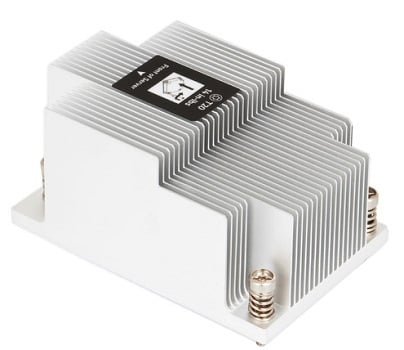
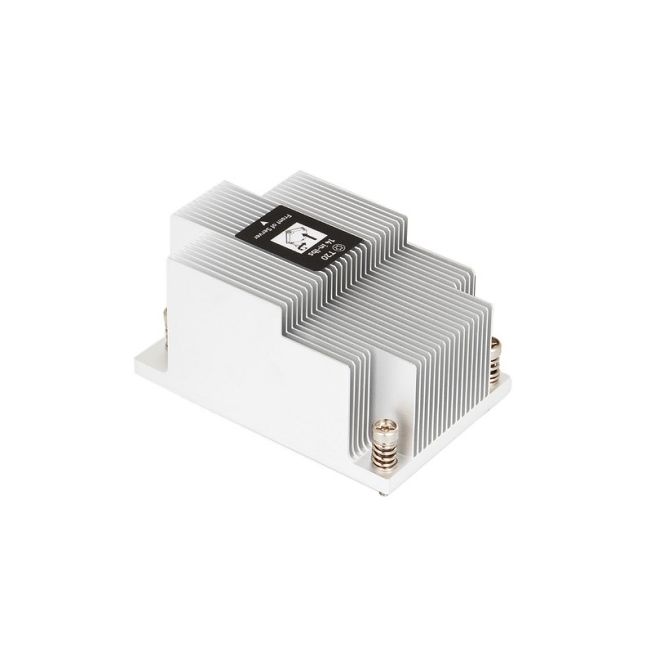
The HPE Standard 2U Heatsink for ProLiant DL385 Gen10 is a cooling solution designed to manage the heat output of AMD EPYC processors in a 2U rack server. It fits directly into the HPE server chassis and plays a critical role in keeping the system stable and running effectively in demanding enterprise settings. |
General Information |
|
|---|---|
| Brand | HPE |
| Part Number | P00249-001 |
Physical Characteristics |
|
|---|---|
| Weight | 5.00 |
| Condition | Refurbished |
Product Description |
|---|
This heatsink is built specifically for the HPE ProLiant DL385 Gen10 server, designed to keep AMD EPYC processors cool during demanding workloads. It’s commonly used in data centers and enterprise environments where reliable thermal management is crucial to system stability. Often found in rack-mounted server solutions, this 2U heatsink helps IT professionals ensure their hardware runs smoothly under heavy processing loads. Key Features
This heatsink is typically deployed in enterprise data centers supporting virtualization, database management, and other compute-intensive applications. Its role in preventing overheating helps avoid downtime and extends the lifespan of server components. |
Use Cases |
|---|
The HPE Standard 2U Heatsink for ProLiant DL385 Gen10 is primarily utilized in enterprise-grade server environments where AMD EPYC processors demand consistent and reliable cooling. It is essential in data centers and virtualization platforms that require optimized thermal management to maintain system stability under heavy computational loads. How It's Used:
This heatsink supports operational efficiency by preventing thermal throttling and hardware degradation, promoting scalability in multi-socket server configurations. Its compatibility with the ProLiant DL385 Gen10 platform ensures seamless integration into existing rack deployments, aiding IT professionals in maintaining consistent system performance. |
 Shipping Options
 International Delivery
Requires a UPS, FedEx, or DHL account. Customers may arrange pickup from our US warehouse.
International Delivery
Requires a UPS, FedEx, or DHL account. Customers may arrange pickup from our US warehouse.
 Payment Methods
We accept Visa, Mastercard, AMEX, Discover, and Wire Transfer.
Payment Methods
We accept Visa, Mastercard, AMEX, Discover, and Wire Transfer.
 Purchase Orders
We process purchase orders for government agencies, enterprises, data centers, and SMBs.
Purchase Orders
We process purchase orders for government agencies, enterprises, data centers, and SMBs.