

Subscribe To Our Newsletter!
Subscribe to the newsletter to stay up to date with the latest news and most useful
Newsletter
↑
Back to Top



Product Overview |
|---|
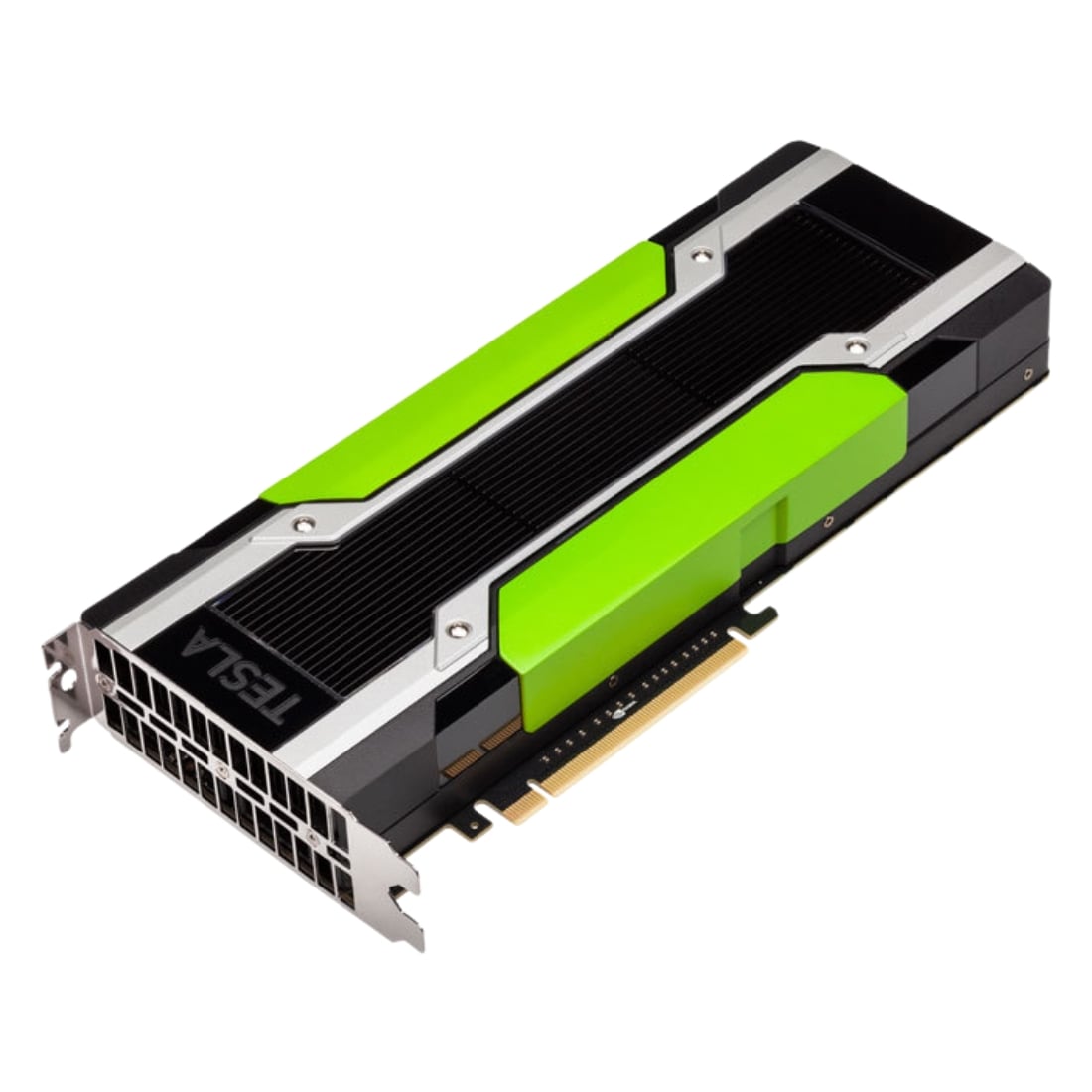
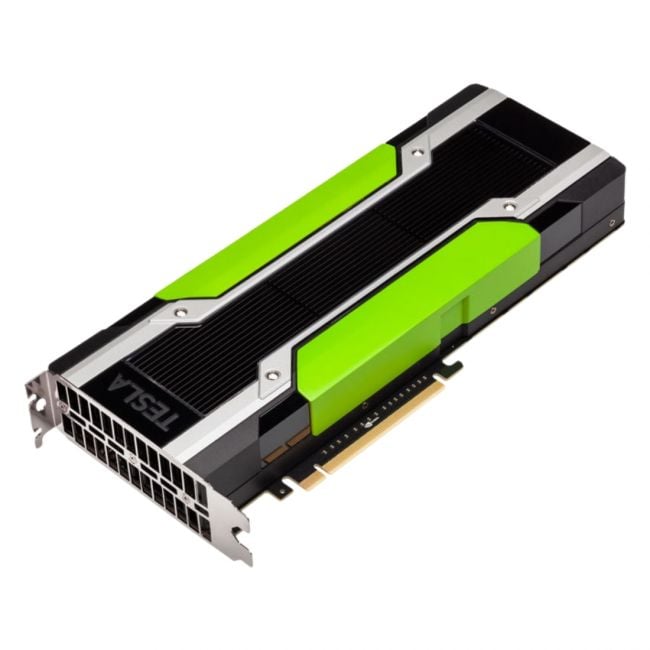
The HPE NVIDIA Tesla P100 SXM2 16GB GPU accelerates complex computations in server environments, fitting seamlessly into HPC and AI setups. It offers a balance of memory capacity and processing power designed to handle large-scale data tasks effectively without compromising on energy efficiency. |
General Information |
|
|---|---|
| Brand | HPE |
| Part Number | P0005010-001 |
Technical Information |
|
|---|---|
| Chipset | Nvidia |
| Bus Interface | SXM2,NVLink |
| Supported APIs | DirectX 12, OpenGL: 4.6, OpenCL, Vulkan: 1, CUDA, CUDA: 7.0, Shader Model: 6.7, DirectCompute |
| Output Interface | No display outputs (compute accelerator) |
| Power Connectors | None (board-powered via SXM2 connector) |
Memory |
|
|---|---|
| Memory Size | 16GB |
| Interface | HBM2 |
| Memory Bus | 4096-bit |
Physical Characteristics |
|
|---|---|
| Slot Width | SXM2 |
| Weight | 3.00 |
| Condition | Refurbished |
Miscellaneous |
|
|---|---|
| Assembly Required | Yes |
| Eco Friendly | Yes |
| Compliance Standards | WEEE, RoHS, cURus, CE, FCC, CCC, UL, TUV, cULus, CSA, cUL |
Product Description |
|---|
The HPE NVIDIA Tesla P100 SXM2 16GB GPU is designed to accelerate demanding compute tasks by offering enhanced processing power and memory bandwidth. Built specifically for high-performance computing environments, it is often found in data centers and research labs tackling AI training, scientific simulations, and large-scale analytics. Engineered for professionals who rely on GPU acceleration, this card suits data scientists, researchers, and engineers needing reliable, scalable performance. It’s commonly integrated into servers and supercomputers to boost parallel processing capabilities. Key Features
This GPU is typically deployed in enterprise-grade compute clusters or specialized workstations where data-intensive tasks demand faster processing. It plays a crucial role in reducing training times and improving throughput for complex models and simulations. |
 Shipping Options
 International Delivery
Requires a UPS, FedEx, or DHL account. Customers may arrange pickup from our US warehouse.
International Delivery
Requires a UPS, FedEx, or DHL account. Customers may arrange pickup from our US warehouse.
 Payment Methods
We accept Visa, Mastercard, AMEX, Discover, and Wire Transfer.
Payment Methods
We accept Visa, Mastercard, AMEX, Discover, and Wire Transfer.
 Purchase Orders
We process purchase orders for government agencies, enterprises, data centers, and SMBs.
Purchase Orders
We process purchase orders for government agencies, enterprises, data centers, and SMBs.