

Subscribe To Our Newsletter!
Subscribe to the newsletter to stay up to date with the latest news and most useful
Newsletter
↑
Back to Top



Product Overview |
|---|
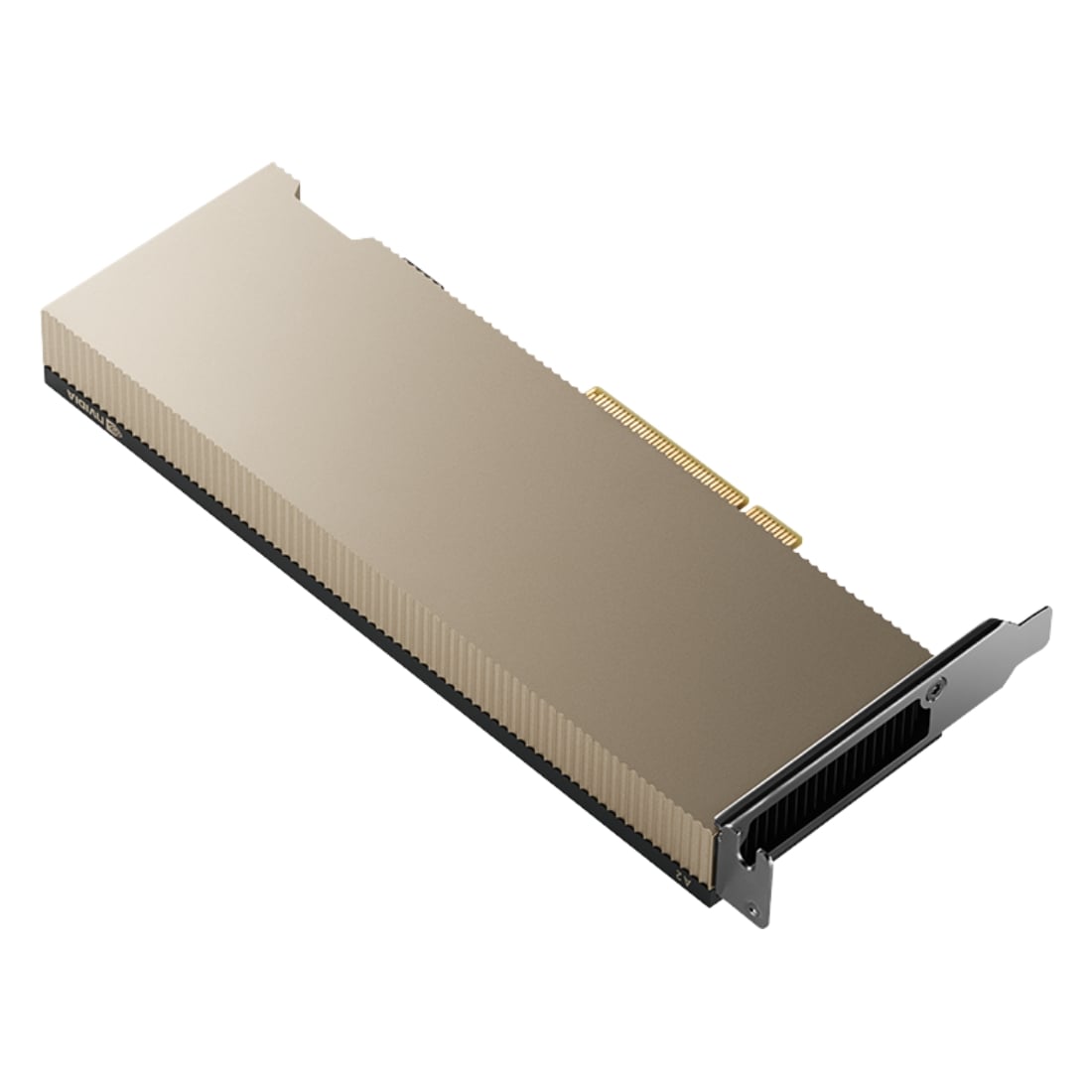
The NVIDIA Tesla A10 is a high-performance GPU accelerator card designed for advanced computing tasks. It fits seamlessly into servers running AI workloads and data-intensive applications, providing robust processing power with a quiet, passive cooling setup. |
General Information |
|
|---|---|
| Brand | Cisco |
| Part Number | NVIDIAA10 |
| Series | NVIDIA A10 |
Miscellaneous |
|
|---|---|
| Compliance Standards | WEEE, RoHS, CE, FCC |
Physical Characteristics |
|
|---|---|
| Weight | 3.00 |
| Condition | Refurbished |
Product Description |
|---|
The NVIDIA Tesla A10 GPU accelerator card is built for demanding computing workloads, particularly in AI training, inference, and data analytics. It delivers substantial computational power while maintaining efficiency through its passive cooling system, making it ideal for data centers where space and airflow are carefully managed. Often found in enterprise servers and cloud computing clusters, this card is designed to handle large-scale parallel processing tasks. IT professionals and data scientists frequently deploy it to boost performance in machine learning models and complex simulations. Key Features
This GPU is typically deployed in environments where multiple accelerator cards work together, such as cloud service providers and research institutions. It plays a crucial role in accelerating complex computations without adding extra thermal load from active cooling systems. |
Use Cases |
|---|
The NVIDIA Tesla A10 GPU accelerator card is ideal for deployment in enterprise data centers and high-density server racks where quiet operation and efficient heat dissipation are critical. It serves organizations requiring robust AI inference and machine learning capabilities within virtualized environments or cloud infrastructures. How It's Used:
By integrating the Tesla A10, organizations can improve operational efficiency in GPU-accelerated workloads while maintaining scalable compute density. Its passive cooling design aligns with the thermal management requirements of modern server architectures, ensuring stable performance in continuous-use scenarios. |
 Shipping Options
 International Delivery
Requires a UPS, FedEx, or DHL account. Customers may arrange pickup from our US warehouse.
International Delivery
Requires a UPS, FedEx, or DHL account. Customers may arrange pickup from our US warehouse.
 Payment Methods
We accept Visa, Mastercard, AMEX, Discover, and Wire Transfer.
Payment Methods
We accept Visa, Mastercard, AMEX, Discover, and Wire Transfer.
 Purchase Orders
We process purchase orders for government agencies, enterprises, data centers, and SMBs.
Purchase Orders
We process purchase orders for government agencies, enterprises, data centers, and SMBs.