

Subscribe To Our Newsletter!
Subscribe to the newsletter to stay up to date with the latest news and most useful
Newsletter
↑
Back to Top



Product Overview |
|---|
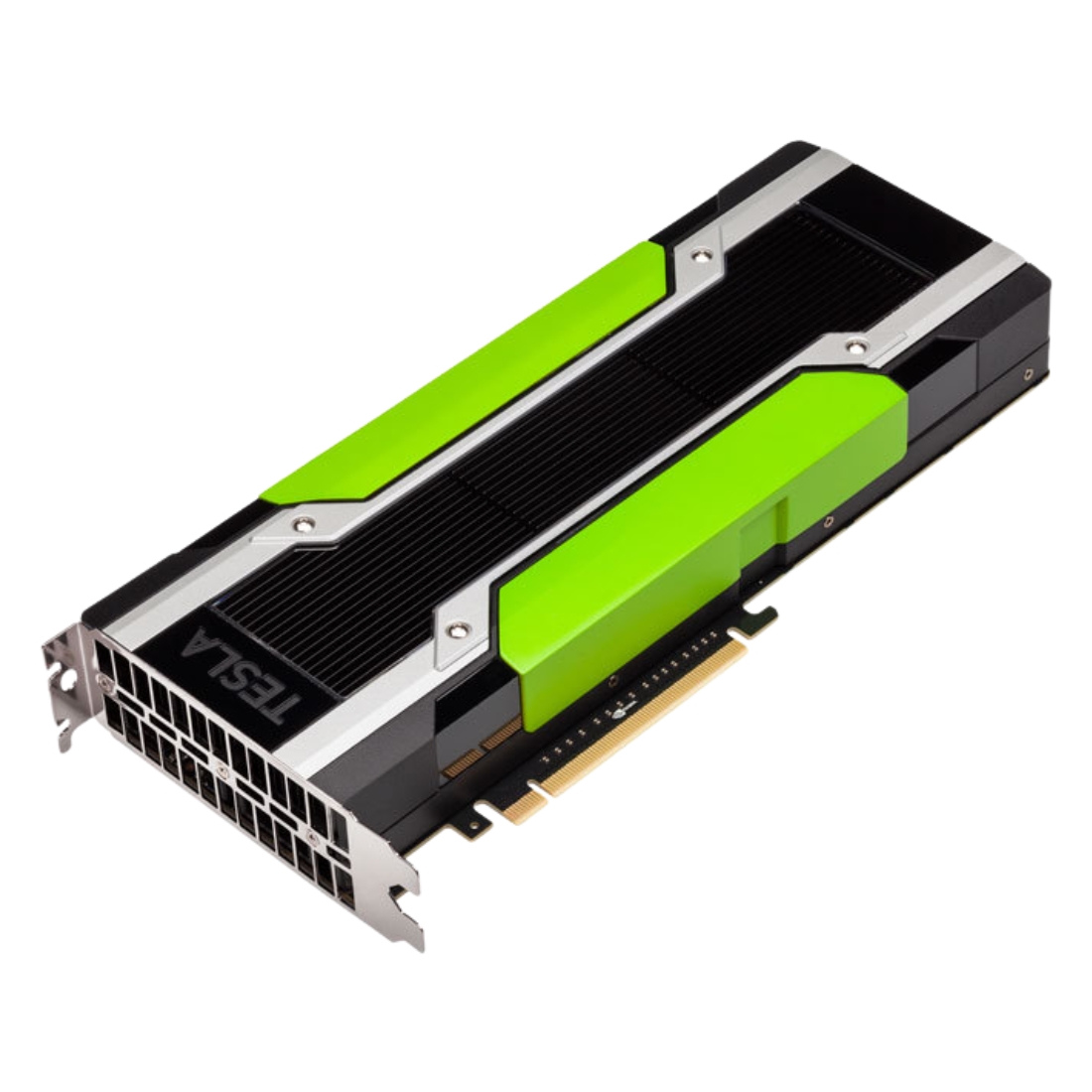
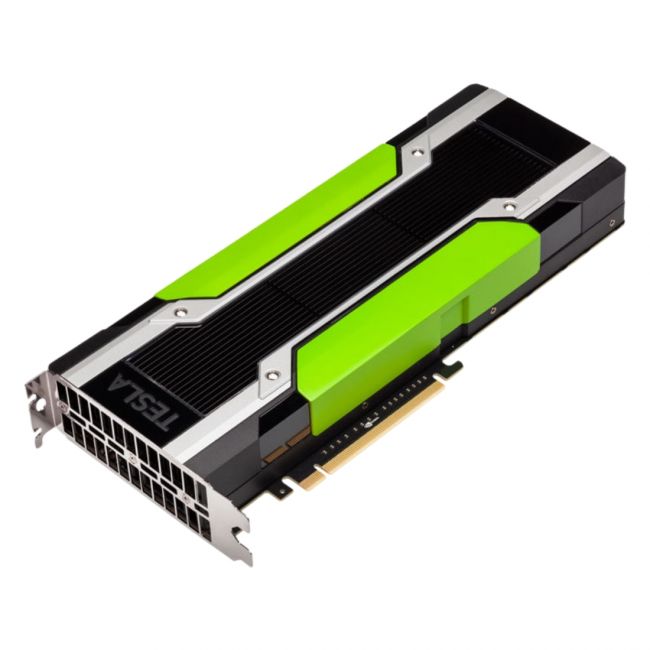
The NVIDIA Tesla P40 24GB GDDR5 PCIe 3.0 x16 GPU accelerator is designed for AI inference and machine learning tasks, offering a balance of memory and processing power. It fits into enterprise servers and data centers where fast, large-scale computations are routine, helping to speed up complex neural network processing without compromising on memory capacity. |
General Information |
|
|---|---|
| Brand | Nvidia |
| Part Number | NVIDIA Tesla P40 |
| Series | Tesla P40 |
Miscellaneous |
|
|---|---|
| Assembly Required | Yes |
| Eco Friendly | Yes |
| Compliance Standards | WEEE, RoHS, CE, FCC, UL, TUV |
Physical Characteristics |
|
|---|---|
| Weight | 3.00 |
| Condition | Refurbished |
Product Description |
|---|
The NVIDIA Tesla P40 is a GPU accelerator designed to boost performance in machine learning and AI applications. It’s built for demanding inference tasks, often found in data centers and enterprise servers where rapid processing of large data sets is essential. Commonly used by researchers, data scientists, and developers working on deep learning models, the Tesla P40 provides the power needed to handle complex neural networks efficiently. Its large memory capacity enables it to process sizable inputs without bottlenecks. Key Features
This GPU accelerator is typically deployed in server environments where AI inference performance is critical. Its robust architecture ensures smoother handling of real-time data processing and analytics. In practice, the Tesla P40 serves as a reliable backbone for AI-driven applications, providing the necessary computational power to drive decision-making and automation across various industries. |
Use Cases |
|---|
The NVIDIA Tesla P40 GPU Accelerator serves as a critical component for enhancing computational capabilities in various advanced technology sectors. How It's Used:
This GPU accelerator enables organizations to scale their computing power and efficiently manage complex workloads, thereby advancing their technological capabilities and research outcomes. |
 Shipping Options
 International Delivery
Requires a UPS, FedEx, or DHL account. Customers may arrange pickup from our US warehouse.
International Delivery
Requires a UPS, FedEx, or DHL account. Customers may arrange pickup from our US warehouse.
 Payment Methods
We accept Visa, Mastercard, AMEX, Discover, and Wire Transfer.
Payment Methods
We accept Visa, Mastercard, AMEX, Discover, and Wire Transfer.
 Purchase Orders
We process purchase orders for government agencies, enterprises, data centers, and SMBs.
Purchase Orders
We process purchase orders for government agencies, enterprises, data centers, and SMBs.