

Subscribe To Our Newsletter!
Subscribe to the newsletter to stay up to date with the latest news and most useful
Newsletter
↑
Back to Top



Product Overview |
|---|
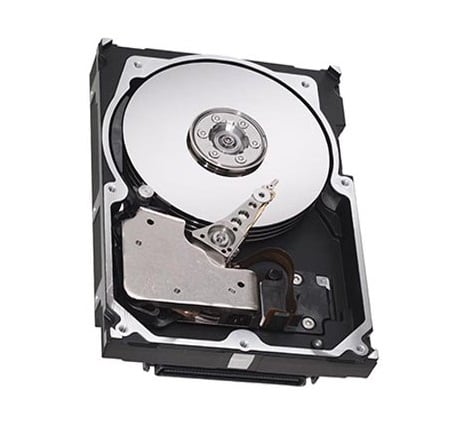
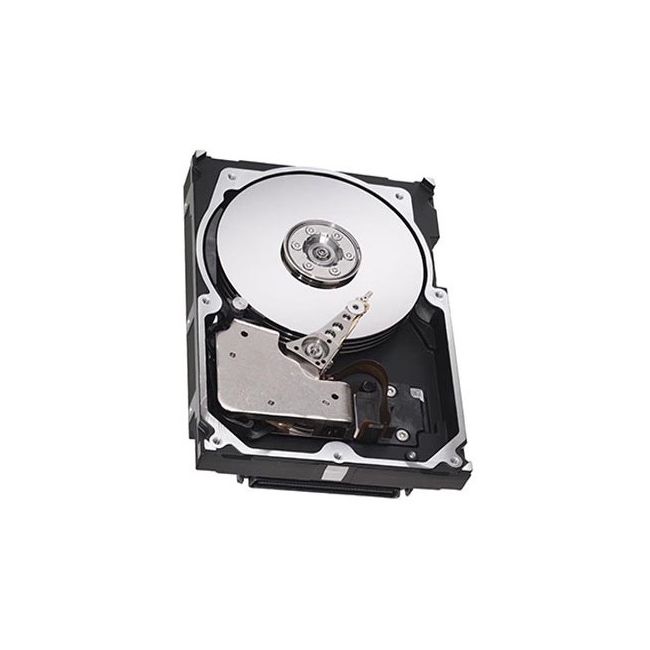
The NTRH9042 Nortel 9GB SCSI 3.5-inch Hard Drive provides reliable storage with its moderate capacity and standard SCSI interface. It fits well in telecom and enterprise hardware where legacy support and steady operation are key. This drive is a practical option for systems needing durable, consistent disk performance without modern high-capacity requirements. |
General Information |
|
|---|---|
| Brand | Nortel |
| Part Number | NTRH9042 |
Technical Information |
|
|---|---|
| Capacity | 9.1GB |
| Form Factor | 3.5-inch |
| Hybrid Drive | No |
| Compatible For | Nortel |
Interfaces/Ports |
|
|---|---|
| Interface | SCSI |
Physical Characteristics |
|
|---|---|
| Condition | Refurbished |
| Weight | 1.76 |
Product Description |
|---|
The NTRH9042 Nortel 9GB SCSI 3.5-inch Hard Drive offers dependable storage tailored for networking and telecommunications gear. Built for integration in Nortel systems, it delivers steady performance where consistent data access and durability are important. This drive is often found in enterprise servers, telecom switches, and legacy systems requiring reliable mass storage. Key Features
This hard drive is typically deployed in telecommunications infrastructure and business servers that demand consistent read/write performance. Its robust design helps minimize downtime, making it a practical choice for long-term storage in mission-critical setups. |
Use Cases |
|---|
The NTRH9042 Nortel 9GB SCSI 3.5-inch Hard Drive is commonly deployed in legacy enterprise and telecom systems where stable and compatible storage solutions are required. It serves environments where SCSI interfaces remain standard and consistent data throughput is critical, such as network infrastructure and dedicated server arrays. How It's Used:
This hard drive facilitates operational longevity by supporting established hardware architectures without introducing compatibility risks. Its steady performance aids in maintaining consistent workloads in environments where system stability and protocol adherence are paramount. |
 Shipping Options
 International Delivery
Requires a UPS, FedEx, or DHL account. Customers may arrange pickup from our US warehouse.
International Delivery
Requires a UPS, FedEx, or DHL account. Customers may arrange pickup from our US warehouse.
 Payment Methods
We accept Visa, Mastercard, AMEX, Discover, and Wire Transfer.
Payment Methods
We accept Visa, Mastercard, AMEX, Discover, and Wire Transfer.
 Purchase Orders
We process purchase orders for government agencies, enterprises, data centers, and SMBs.
Purchase Orders
We process purchase orders for government agencies, enterprises, data centers, and SMBs.