

Subscribe To Our Newsletter!
Subscribe to the newsletter to stay up to date with the latest news and most useful
Newsletter
↑
Back to Top



Product Overview |
|---|
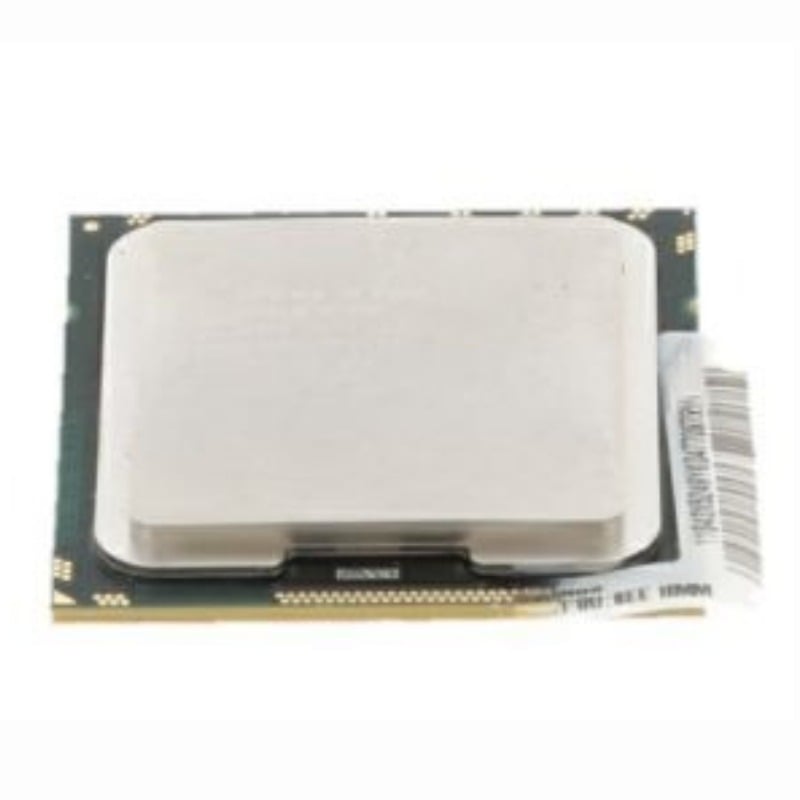
The N909J Dell Xeon E5506 2.13GHz processor upgrade enhances PowerEdge T410 and R410 servers by providing a stable and energy-conscious processing option. It fits seamlessly into existing server setups, offering a practical way to boost performance and maintain operational efficiency in office and data center settings. |
General Information |
|
|---|---|
| Brand | Dell |
| Part Number | N909J |
Technical Information |
|
|---|---|
| Base Clock Speed | 2.13 GHz |
| Socket Type | LGA 1366 |
| Cache | 4 MB L3 |
Memory Specifications |
|
|---|---|
| Memory Types | DDR3 |
| Max Memory Channels | 3 |
Physical Characteristics |
|
|---|---|
| Weight | 5.00 |
| Condition | Refurbished |
Miscellaneous |
|
|---|---|
| Eco Friendly | Yes |
| Compliance Standards | WEEE, RoHS |
Product Description |
|---|
This Dell Xeon E5506 processor upgrade is designed to enhance the computing power of PowerEdge T410 and R410 servers. It features a 2.13GHz clock speed that balances energy efficiency with consistent performance for business-critical workloads. Built for server environments, it handles multitasking and data processing with ease, making it a solid choice for IT professionals looking to extend the life and capability of their existing systems. Often found in small to medium business servers, this processor supports tasks ranging from file sharing and virtualization to database management. IT teams and system administrators benefit from its compatibility and straightforward installation, which helps keep servers running smoothly without the need for full hardware replacements. Key Features
In practice, this processor upgrade is often deployed in business environments where consistent uptime and reliable performance are critical. It helps extend the functional lifespan of servers, allowing companies to avoid costly hardware overhauls while maintaining adequate processing power. This balance helps keep IT infrastructure flexible and responsive to changing needs. |
Use Cases |
|---|
The N909J Dell Xeon E5506 2.13GHz processor is primarily utilized in mid-tier server environments where reliable performance and energy efficiency are essential. It is well-suited for IT administrators managing Dell PowerEdge T410 and R410 servers who require stable processing capabilities for business-critical applications and moderate virtualization workloads. How It's Used:
This processor upgrade facilitates enhanced operational efficiency by delivering balanced compute performance within established server hardware. It supports scalability by enabling existing PowerEdge servers to handle growing workloads without requiring extensive infrastructure changes, thus maintaining continuity in critical IT operations. |
 Shipping Options
 International Delivery
Requires a UPS, FedEx, or DHL account. Customers may arrange pickup from our US warehouse.
International Delivery
Requires a UPS, FedEx, or DHL account. Customers may arrange pickup from our US warehouse.
 Payment Methods
We accept Visa, Mastercard, AMEX, Discover, and Wire Transfer.
Payment Methods
We accept Visa, Mastercard, AMEX, Discover, and Wire Transfer.
 Purchase Orders
We process purchase orders for government agencies, enterprises, data centers, and SMBs.
Purchase Orders
We process purchase orders for government agencies, enterprises, data centers, and SMBs.