

Subscribe To Our Newsletter!
Subscribe to the newsletter to stay up to date with the latest news and most useful
Newsletter
↑
Back to Top



Product Overview |
|---|
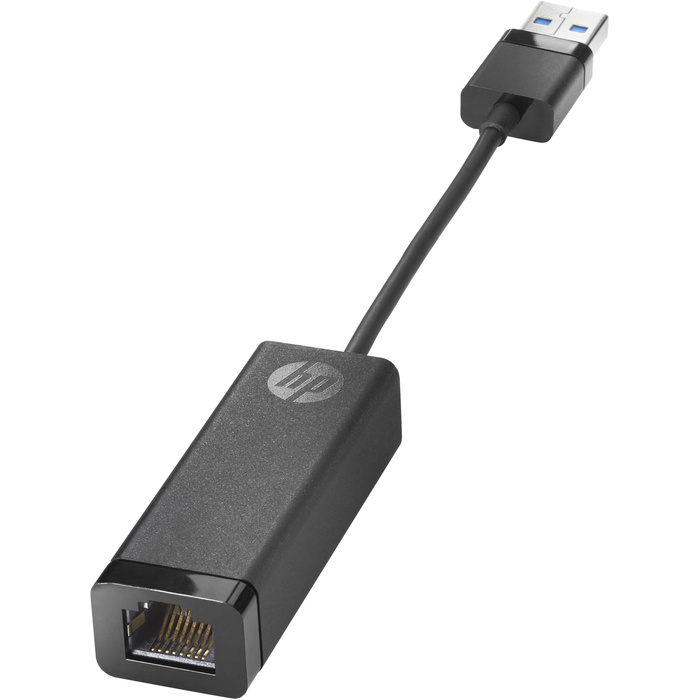
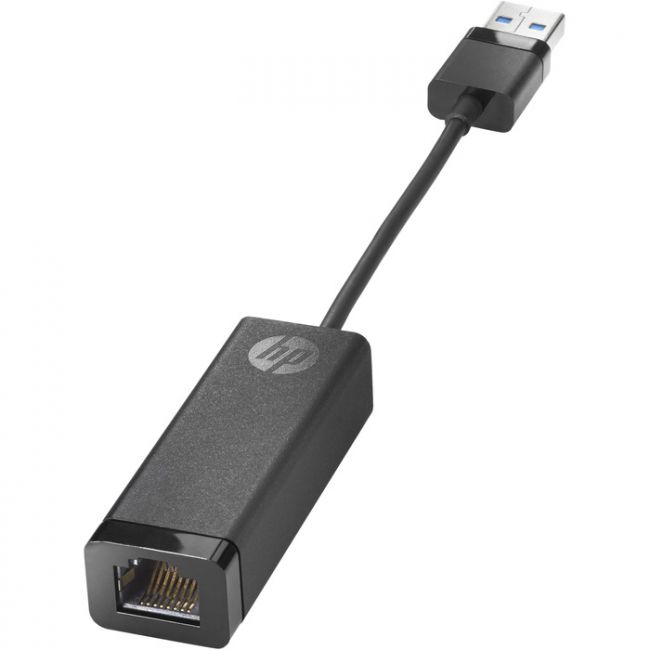
The HP USB 3.0 to Gigabit LAN Adapter enables straightforward wired network access by converting a USB 3.0 port into a gigabit Ethernet connection. It fits well in setups that require flexible network options without internal Ethernet interfaces, combining portability with steady network performance. |
General Information |
|
|---|---|
| Brand | HP |
Technical Information |
|
|---|---|
| product type | USB 3.0 to Gigabit Ethernet Adapter |
| Product Category | Cables & Adapters,Adapters,USB Adapters |
| Compatibility | USB 3.0,USB 2.0,Windows,macOS |
Miscellaneous |
|
|---|---|
| Assembly Required | No |
| Compliance Standards | WEEE, RoHS, CE, FCC |
Physical Characteristics |
|
|---|---|
| Form Factor | Dongle,External |
| Weight | 3.00 |
| Condition | Refurbished |
Product Description |
|---|
The HP USB 3.0 to Gigabit LAN Adapter provides a reliable way to add wired network connectivity via a USB port. It is commonly found in environments where devices lack built-in Ethernet ports or require faster, more stable connections than wireless can offer. This adapter is built for IT professionals and users who need dependable network access without internal hardware upgrades. Key Features
This adapter plays a practical role in extending network capabilities, especially for devices that rely on USB ports for connectivity. Its consistent performance and ease of use make it a solid choice for maintaining smooth network operations without extra hardware complexities. |
Use Cases |
|---|
This adapter is typically used in professional and business environments where desktop or laptop systems lack built-in Ethernet ports or when a more reliable network connection is necessary. It benefits users who operate in offices, remote workstations, or IT setups demanding stable data transfer over wired connections. How It's Used:
By integrating this adapter, organizations and users can maintain network efficiency and ensure consistent data throughput across various work environments. It supports operational needs where wired connections are preferred for performance and reliability. |
 Shipping Options
 International Delivery
Requires a UPS, FedEx, or DHL account. Customers may arrange pickup from our US warehouse.
International Delivery
Requires a UPS, FedEx, or DHL account. Customers may arrange pickup from our US warehouse.
 Payment Methods
We accept Visa, Mastercard, AMEX, Discover, and Wire Transfer.
Payment Methods
We accept Visa, Mastercard, AMEX, Discover, and Wire Transfer.
 Purchase Orders
We process purchase orders for government agencies, enterprises, data centers, and SMBs.
Purchase Orders
We process purchase orders for government agencies, enterprises, data centers, and SMBs.