

Subscribe To Our Newsletter!
Subscribe to the newsletter to stay up to date with the latest news and most useful
Newsletter
↑
Back to Top



Product Overview |
|---|
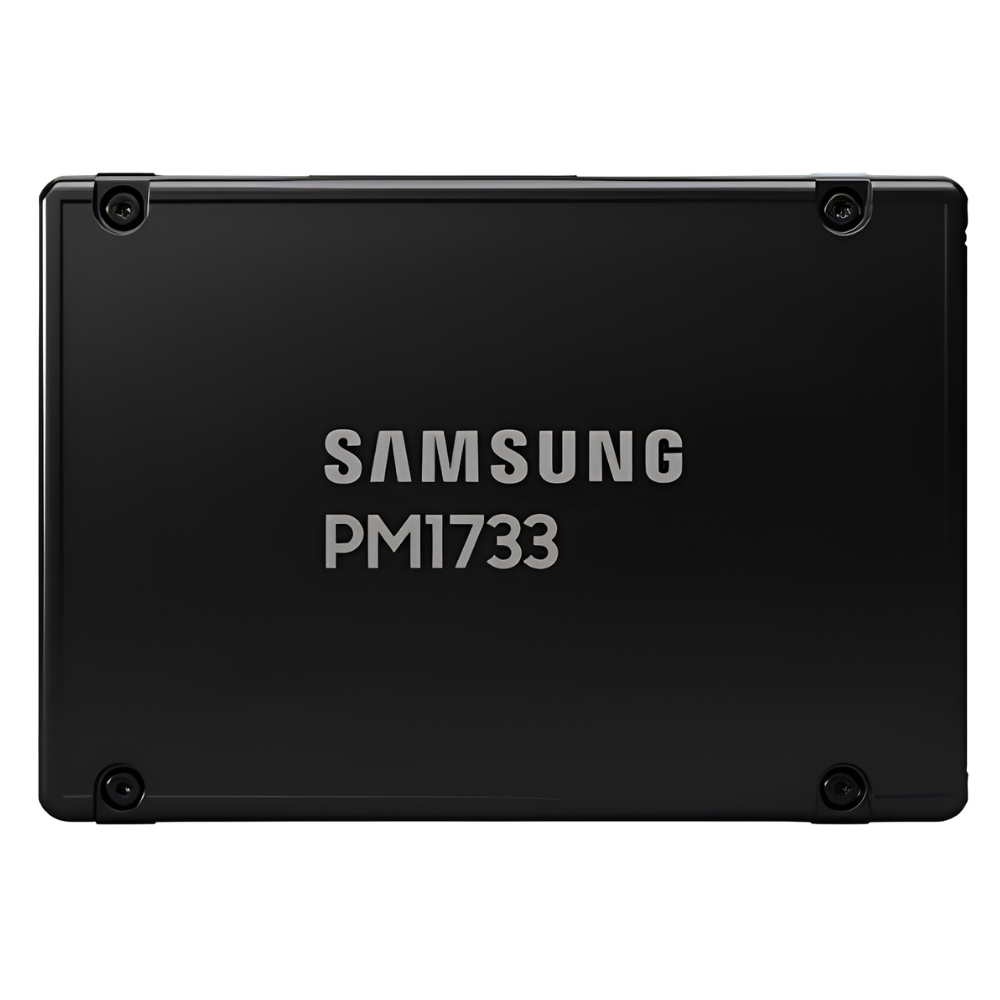
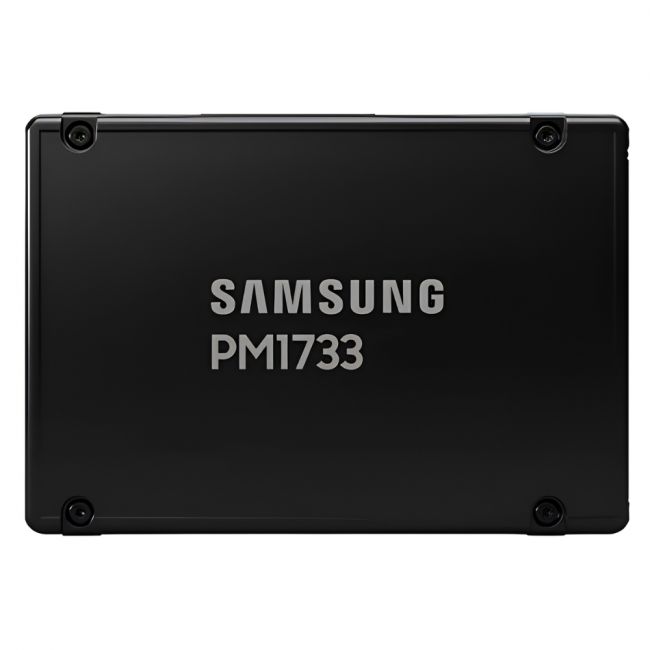
The Samsung PM1733 30.72TB U.2 PCIe 4.0 x8 NVMe SSD is designed for enterprise applications requiring large storage capacity and enhanced read performance. It supports PCIe 4.0 with eight lanes and utilizes the NVMe protocol to facilitate high-speed data transfers, fitting into data center environments with read-intensive workloads. |
General Information |
|
|---|---|
| Brand | Samsung |
Technical Information |
|
|---|---|
| Capacity | 30.72TB |
| NAND Flash | Samsung V-NAND |
| Memory Technology | Triple-Level Cell (TLC) |
| Form Factor | U.2 |
| MTBF | 2000000 hours |
| Hot Swappable | Yes |
| Hot Pluggable | Yes |
Physical Characteristics |
|
|---|---|
| Dimensions | 15.0 x 69.85 x 100.2 mm |
| Weight | 0.60 |
| Condition | Refurbished |
Miscellaneous |
|
|---|---|
| Compliance Standards | RoHS, CE, FCC, UL, TUV |
Product Description |
|---|
The Samsung PM1733 (model MZWLJ30THALA-00AAZ) is a solid-state drive designed for enterprise environments requiring substantial storage capacity and optimized read performance. It features a U.2 form factor and connects via PCIe 4.0 x8, providing support for the NVMe protocol to enhance data throughput and reduce latency. This SSD is typically deployed in data centers and large-scale storage systems that handle read-intensive workloads, such as content delivery networks, analytics platforms, and database applications. IT professionals and data center managers benefit from its capacity and interface specifications when planning storage infrastructures. Key Features
This SSD plays a critical role in enterprise storage architectures by addressing high-capacity storage needs combined with read-optimized performance. Its interface and form factor allow integration into existing server and storage frameworks where high data throughput is essential. |
Use Cases |
|---|
The Samsung PM1733 SSD is suited for enterprise data centers and storage arrays managing read-heavy applications. It benefits environments where large-scale data access and storage capacity are critical, such as analytics and content delivery platforms. How It's Used:
This SSD supports operational needs where read performance and storage density are prioritized. It enables efficient data management in infrastructures focused on high-volume data retrieval. |
FAQ's |
|---|
|
 Shipping Options
 International Delivery
Requires a UPS, FedEx, or DHL account. Customers may arrange pickup from our US warehouse.
 Payment Methods
We accept Visa, Mastercard, AMEX, Discover, and Wire Transfer.
 Purchase Orders
We process purchase orders for government agencies, enterprises, data centers, and SMBs.