

Subscribe To Our Newsletter!
Subscribe to the newsletter to stay up to date with the latest news and most useful
Newsletter
↑
Back to Top



Product Overview |
|---|
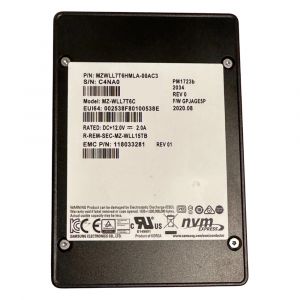
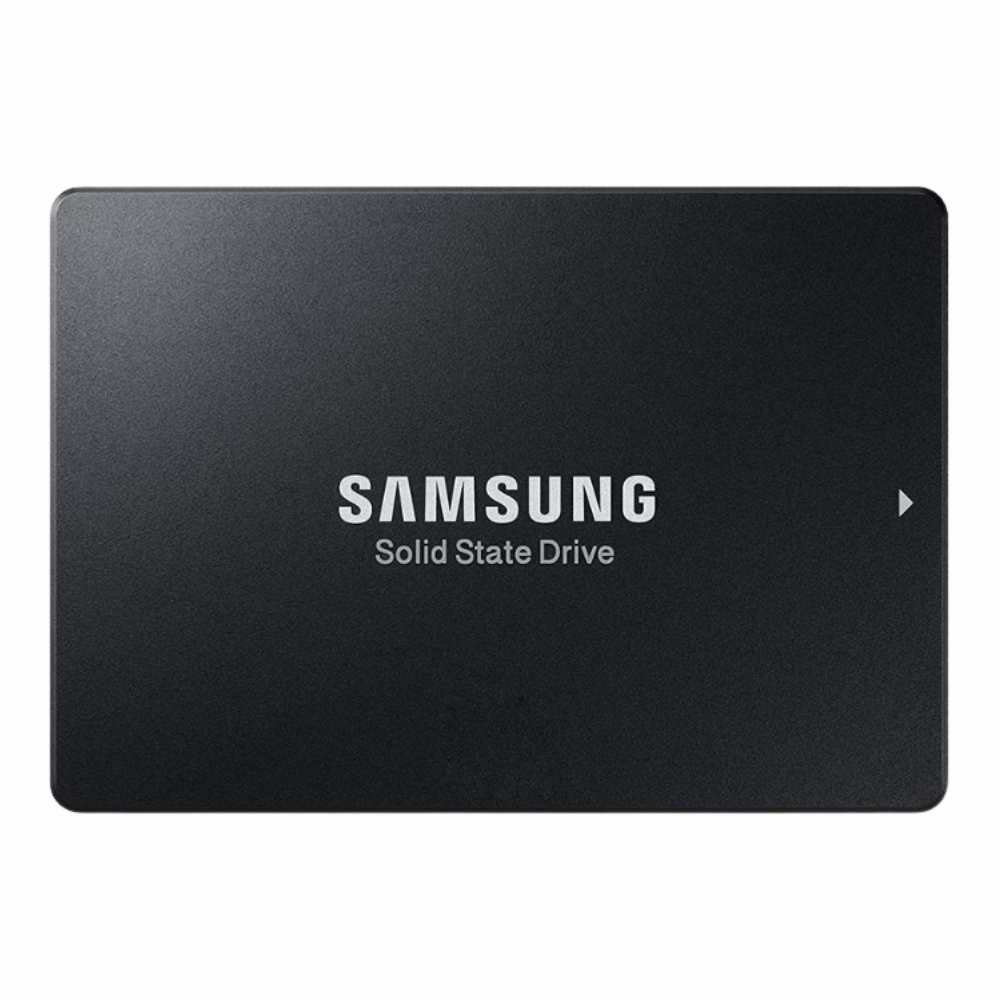
The Samsung MZWL61T6HFLT-00AD3 PM9D5a is a 1.6TB U.2 form factor enterprise SSD that leverages PCIe 5.0 x4 NVMe technology. It is designed for mixed-use storage workloads typically found in data center environments and is a Dell OEM part intended for integration within Dell enterprise systems. |
General Information |
|
|---|---|
| Brand | Samsung |
Technical Information |
|
|---|---|
| Capacity | 1.6TB |
| NAND Flash | Triple-Level Cell (TLC) |
| Memory Technology | Triple-Level Cell (TLC) |
| Form Factor | U.2 |
| MTBF | 2000000 |
| Hot Swappable | Yes |
| Hot Pluggable | Yes |
Physical Characteristics |
|
|---|---|
| Dimensions | 15 x 69.85 x 100 mm |
| Weight | 0.60 |
| Condition | Refurbished |
Miscellaneous |
|
|---|---|
| Compliance Standards | WEEE, RoHS, CE, FCC, UL, TUV, cULus |
Product Description |
|---|
The Samsung MZWL61T6HFLT-00AD3 PM9D5a is a 1.6TB enterprise solid-state drive designed for mixed use workloads. It employs the U.2 form factor and supports PCIe 5.0 x4 lanes with NVMe protocol, delivering an interface suitable for demanding data center applications. This SSD is typically utilized by IT professionals and system integrators managing enterprise storage solutions, particularly within Dell hardware environments given its OEM status. Key Features
This drive supports demanding enterprise storage needs by balancing endurance and performance via its mixed-use design. Its PCIe 5.0 support positions it for next-generation server deployments that require increased bandwidth and low latency. |
Use Cases |
|---|
This SSD is commonly deployed in enterprise data centers and server environments where balanced read and write performance is required. It is suited for IT environments running mixed workloads that demand consistent storage throughput and low latency. How It's Used:
The Samsung PM9D5a SSD serves a critical role in enterprise storage infrastructures by providing a balance of capacity, performance, and endurance. It supports workloads where efficiency and system compatibility are essential. |
FAQ's |
|---|
|
 Shipping Options
 International Delivery
Requires a UPS, FedEx, or DHL account. Customers may arrange pickup from our US warehouse.
 Payment Methods
We accept Visa, Mastercard, AMEX, Discover, and Wire Transfer.
 Purchase Orders
We process purchase orders for government agencies, enterprises, data centers, and SMBs.