

Subscribe To Our Newsletter!
Subscribe to the newsletter to stay up to date with the latest news and most useful
Newsletter
↑
Back to Top



Product Overview |
|---|
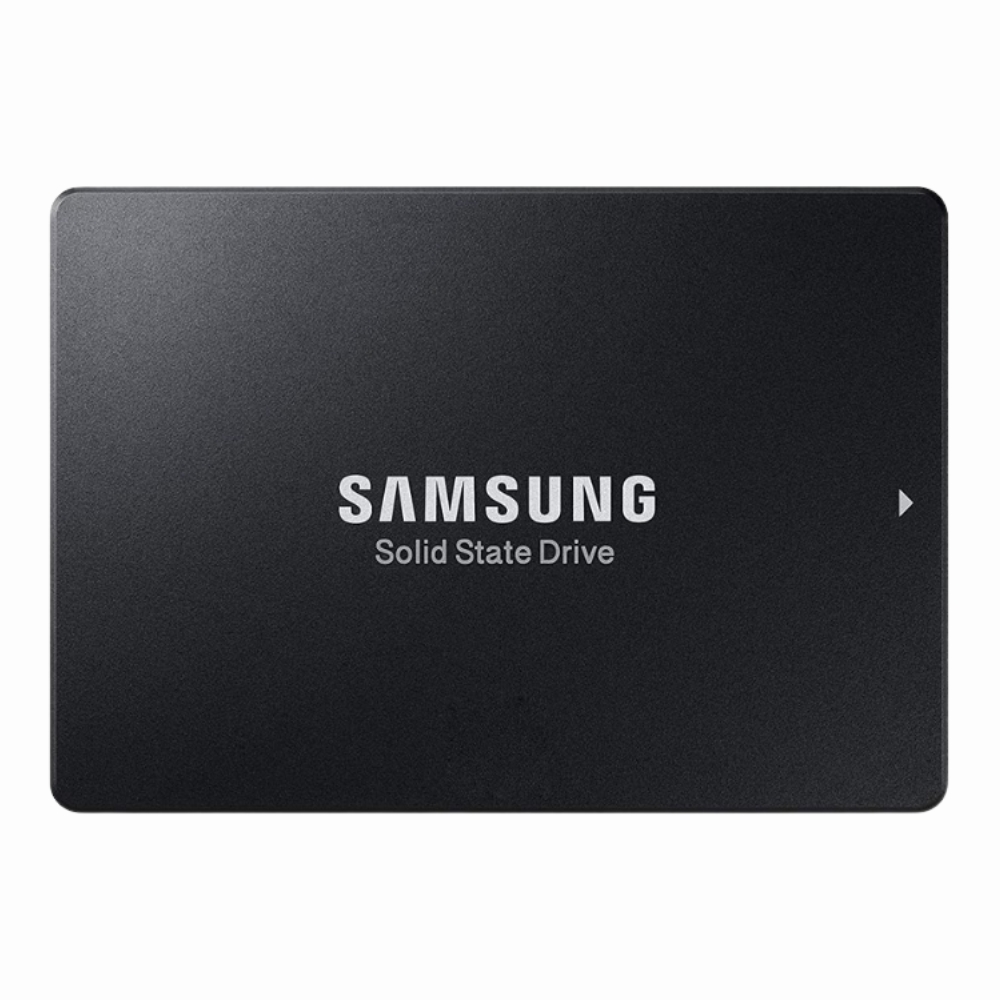
The Samsung Gen2 Enterprise Series 3.2TB MLC PCIe NVMe Data Cache Card is a solid state drive focused on enhancing data caching tasks in enterprise environments. It fits well in storage arrays and servers where quick access to frequently used data is necessary, supporting workloads that demand both speed and reliability. |
General Information |
|
|---|---|
| Brand | Samsung |
| Part Number | MZPKI3T2HMJM-000D3 |
Technical Information |
|
|---|---|
| Capacity | 3.2TB |
| NAND Flash | MLC |
| Memory Technology | Multi-Level Cell (MLC) |
| Form Factor | PCIe Add-in Card |
| Interface | PCIe Gen 3.0 x4 |
| Hot Swappable | No |
| Hot Pluggable | No |
Physical Characteristics |
|
|---|---|
| Weight | 1.10 |
| Condition | Refurbished |
Product Description |
|---|
The Samsung Gen2 Enterprise Series 3.2TB MLC PCIe NVMe SSD is designed to serve as a high-performance data cache card. It is often found in enterprise storage systems where rapid data access and low latency are critical. This drive is built for IT professionals and organizations that require dependable caching solutions to accelerate workloads and improve system responsiveness. Key Features
This SSD is commonly deployed in data centers and enterprise servers where it acts as a cache between primary storage and computing resources. Its durability and speed help reduce bottlenecks in data processing, leading to smoother application performance and faster data retrieval. |
Use Cases |
|---|
The Samsung 3.2TB MLC PCIe 3.0 x4 NVMe Enterprise SSD is designed for enterprise data centers and high-performance computing environments that require rapid access to critical datasets. It is particularly suited for IT infrastructures where consistent low latency and high endurance are essential under sustained workloads. How It's Used:
This SSD supports operational efficiency by reducing data retrieval times and sustaining performance during intensive workloads. Its enterprise-grade durability and interface compatibility enable scalable deployment across various data-intensive IT infrastructures. |
 Shipping Options
 International Delivery
Requires a UPS, FedEx, or DHL account. Customers may arrange pickup from our US warehouse.
International Delivery
Requires a UPS, FedEx, or DHL account. Customers may arrange pickup from our US warehouse.
 Payment Methods
We accept Visa, Mastercard, AMEX, Discover, and Wire Transfer.
Payment Methods
We accept Visa, Mastercard, AMEX, Discover, and Wire Transfer.
 Purchase Orders
We process purchase orders for government agencies, enterprises, data centers, and SMBs.
Purchase Orders
We process purchase orders for government agencies, enterprises, data centers, and SMBs.