

Subscribe To Our Newsletter!
Subscribe to the newsletter to stay up to date with the latest news and most useful
Newsletter
↑
Back to Top



Product Overview |
|---|
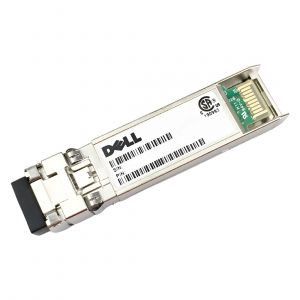
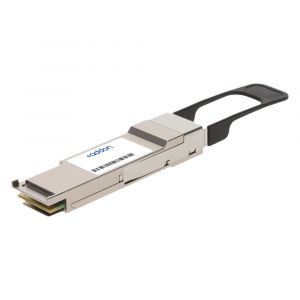
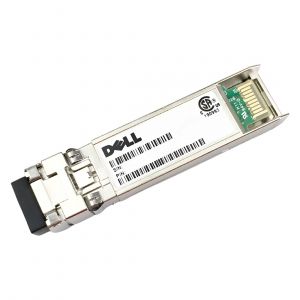
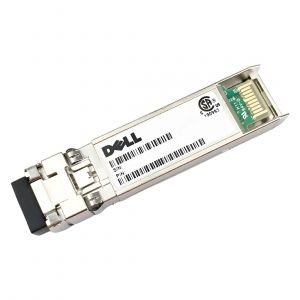
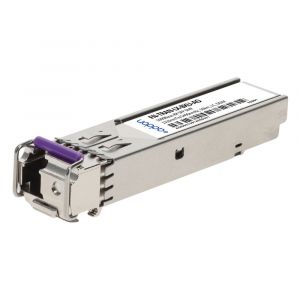
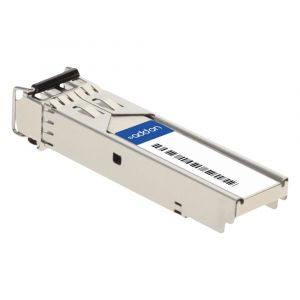
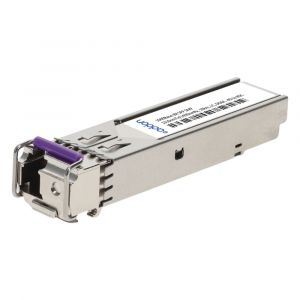
The AddOn MXK-GPON-SFP-C+-RSSI-AO provides GPON C+ interface support with 2.4 Gbps downstream and 1.2 Gbps upstream speeds. It fits into SFP slots and includes RSSI functionality for signal strength measurement, making it suitable for optical fiber network environments. |
General Information |
|
|---|---|
| Brand | AddOn Networks |
Technical Information |
|
|---|---|
| Form Factor | SFP |
| Media | SMF |
| Type | DFB |
| Protocols | GPON |
| Connector | Simplex LC |
| DOM Support | No |
Physical Characteristics |
|
|---|---|
| Weight | 3.00 |
| Condition | Refurbished |
Product Description |
|---|
The AddOn MXK-GPON-SFP-C+-RSSI-AO is a GPON C+ SFP transceiver module designed to enable high-speed optical network connections. It facilitates data transmission rates of up to 2.4 Gbps downstream and 1.2 Gbps upstream, suitable for Gigabit Passive Optical Network (GPON) environments. This module is typically used in fiber optic telecommunications and broadband network infrastructures where SFP form factor compatibility is required. Network operators and IT professionals deploying or upgrading optical networks benefit from integrating this component into their existing systems. Key Features
This module allows monitoring of optical signal strength through its RSSI capability, assisting in network diagnostics. Its SFP form factor supports plug-and-play installation in compatible equipment, facilitating network upgrades or expansions. Overall, it plays a critical role in delivering GPON fiber network connectivity. |
Use Cases |
|---|
This GPON C+ SFP module is typically deployed in fiber optic broadband networks requiring high-speed data transmission with integrated signal monitoring. It is used by network operators and service providers maintaining or upgrading GPON infrastructure. How It's Used:
Its role is to enable high-speed GPON connectivity while providing signal quality data. This aids network management and ensures consistent optical link performance in broadband deployments. |
FAQ's |
|---|
|
 Shipping Options
 International Delivery
Requires a UPS, FedEx, or DHL account. Customers may arrange pickup from our US warehouse.
 Payment Methods
We accept Visa, Mastercard, AMEX, Discover, and Wire Transfer.
 Purchase Orders
We process purchase orders for government agencies, enterprises, data centers, and SMBs.