

Subscribe To Our Newsletter!
Subscribe to the newsletter to stay up to date with the latest news and most useful
Newsletter
↑
Back to Top



Product Overview |
|---|
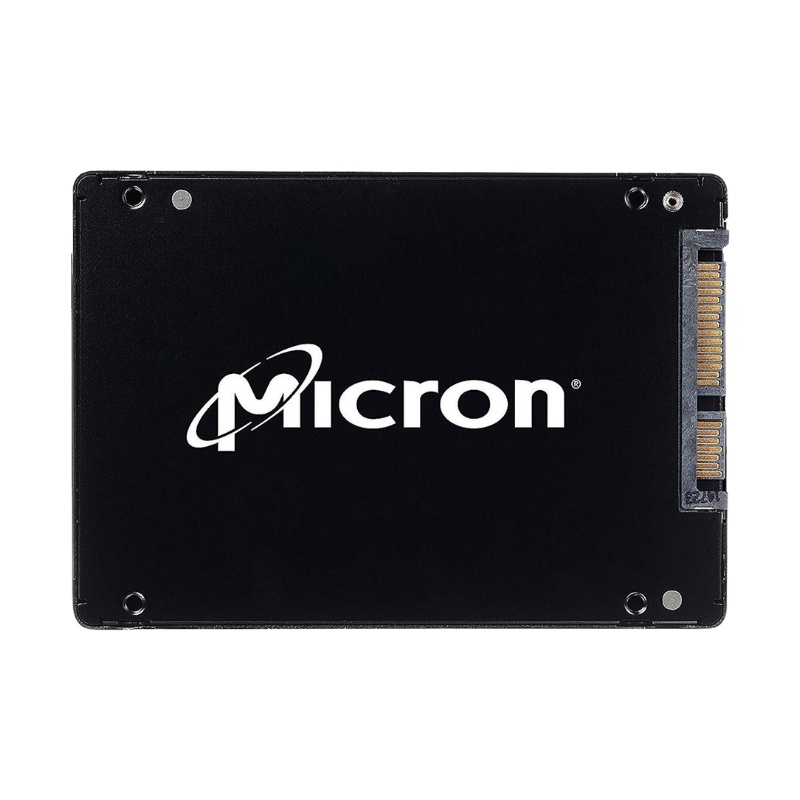
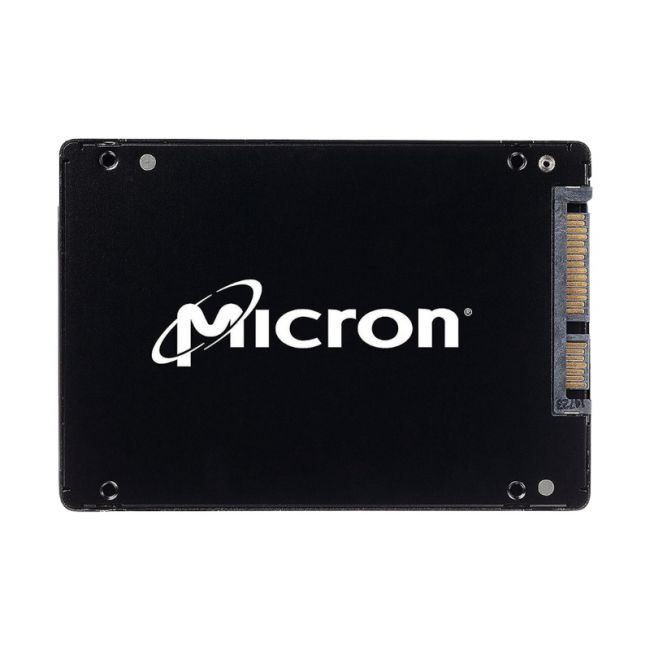
The Micron 480GB SATA SSD provides a solid mix of speed and durability in a 2.5-inch package. It fits well in systems needing fast, accessible storage and is especially useful where drives need to be swapped out without interrupting operations. |
General Information |
|
|---|---|
| Brand | HPE |
| Part Number | MTFDDAK480TDC-1AT1ZABHA |
Technical Information |
|
|---|---|
| Capacity | 480GB |
| Memory Technology | Triple-Level Cell (TLC) |
| Form Factor | 2.5-inch |
| Interface | SATA 6GB/s |
| Hot Swappable | Yes |
| Hot Pluggable | Yes |
Physical Characteristics |
|
|---|---|
| Weight | 3.00 |
| Condition | Refurbished |
Product Description |
|---|
The Micron 480GB SATA 6Gb/s SSD offers reliable storage with solid performance for various computing needs. It is built for use in servers, workstations, and desktop environments where quick data access and durability matter. Often found in data centers and enterprise setups, this drive is favored by IT professionals and system administrators who require dependable and scalable storage solutions that can be serviced without downtime. Key Features
This SSD is usually deployed in environments where uptime is critical, such as server racks and enterprise storage solutions. Its robust design helps maintain steady operation during heavy use, making it a reliable choice for continuous data handling. |
Use Cases |
|---|
The HPE 480GB SATA 6Gb/s TLC SSD is designed for environments that require reliable, quick access to data with minimal downtime. It is particularly suited for enterprise IT infrastructures and remote office setups where drive hot-swapping is essential for maintenance without disrupting operations. How It's Used:
This SSD supports operational continuity by enabling quick drive swaps and efficient data handling in various IT environments. Its form factor and interface help maintain system scalability while ensuring sustained performance for evolving storage demands. |
 Shipping Options
 International Delivery
Requires a UPS, FedEx, or DHL account. Customers may arrange pickup from our US warehouse.
International Delivery
Requires a UPS, FedEx, or DHL account. Customers may arrange pickup from our US warehouse.
 Payment Methods
We accept Visa, Mastercard, AMEX, Discover, and Wire Transfer.
Payment Methods
We accept Visa, Mastercard, AMEX, Discover, and Wire Transfer.
 Purchase Orders
We process purchase orders for government agencies, enterprises, data centers, and SMBs.
Purchase Orders
We process purchase orders for government agencies, enterprises, data centers, and SMBs.