

Subscribe To Our Newsletter!
Subscribe to the newsletter to stay up to date with the latest news and most useful
Newsletter
↑
Back to Top



Product Overview |
|---|
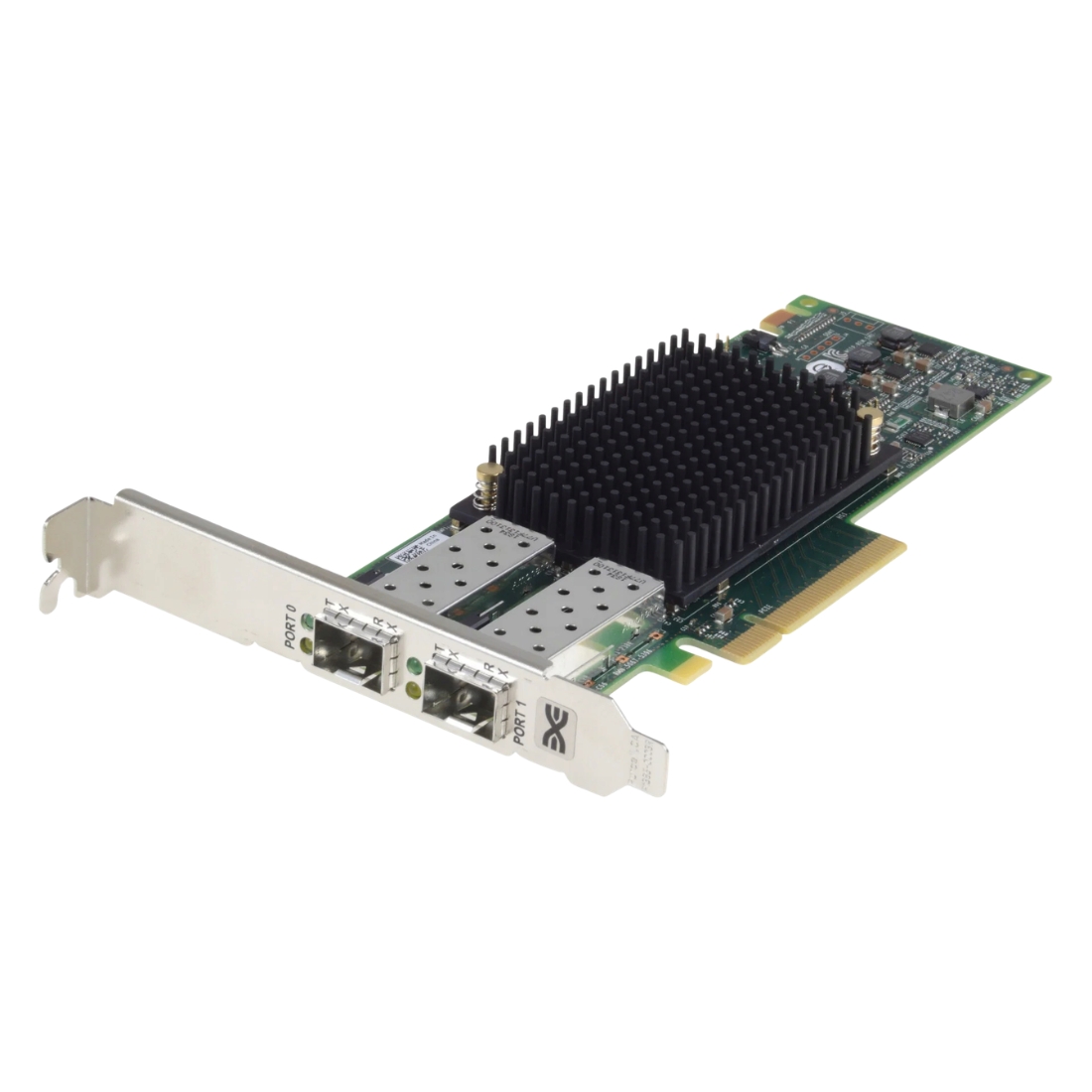
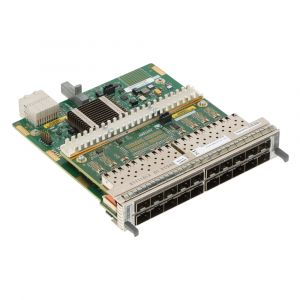
The MIC-MRATE - Juniper 12-Ports QSFP+/QSFP28 Interface Card delivers high-speed, flexible network connectivity suited for large-scale and high-density environments. It fits seamlessly into Juniper systems, providing robust support for varied transceiver modules and strong throughput capabilities without compromising space or performance. |
General Information |
|
|---|---|
| Brand | Juniper Networks |
Technical Information |
|
|---|---|
| Product Type | Network Interface Card |
| Data Rate (Speed) | 100GbE |
| Data Center Bridging | No |
| Network Management | SNMP |
Connectivity & Physical |
|
|---|---|
| Form Factor | Mezzanine Card |
| Port Type | QSFP+ |
| Cabling Type | AOC |
| Weight | 3.00 |
| Condition | Refurbished |
Miscellaneous |
|
|---|---|
| Assembly Required | No |
Product Description |
|---|
The MIC-MRATE is a robust interface card designed to offer high-performance connectivity through its 12 QSFP+/QSFP28 ports. It is commonly found in data centers and enterprise networking equipment where high bandwidth and port density are essential. Network engineers, administrators, and IT professionals often use this card to scale network capacity and optimize throughput. Key Features
This interface card plays a crucial role in expanding network infrastructure by enabling high-speed data transmission and efficient port utilization. Its reliable design and compatibility ensure consistent network operation and scalability as demands grow. |
Use Cases |
|---|
The MIC-MRATE interface card is typically deployed in enterprise data centers, cloud service provider networks, and large-scale campus environments where high bandwidth and port density are critical. Users managing complex network architectures benefit from its high throughput and flexible connectivity options. How It's Used:
The MIC-MRATE supports operational efficiency by providing dense, high-speed interfaces that accommodate growth without compromising network stability. Its adaptability aids in scaling network infrastructure while maintaining consistent performance levels. |
 Shipping Options
 International Delivery
Requires a UPS, FedEx, or DHL account. Customers may arrange pickup from our US warehouse.
International Delivery
Requires a UPS, FedEx, or DHL account. Customers may arrange pickup from our US warehouse.
 Payment Methods
We accept Visa, Mastercard, AMEX, Discover, and Wire Transfer.
Payment Methods
We accept Visa, Mastercard, AMEX, Discover, and Wire Transfer.
 Purchase Orders
We process purchase orders for government agencies, enterprises, data centers, and SMBs.
Purchase Orders
We process purchase orders for government agencies, enterprises, data centers, and SMBs.