

Subscribe To Our Newsletter!
Subscribe to the newsletter to stay up to date with the latest news and most useful
Newsletter
↑
Back to Top



| Product Overview |
|---|
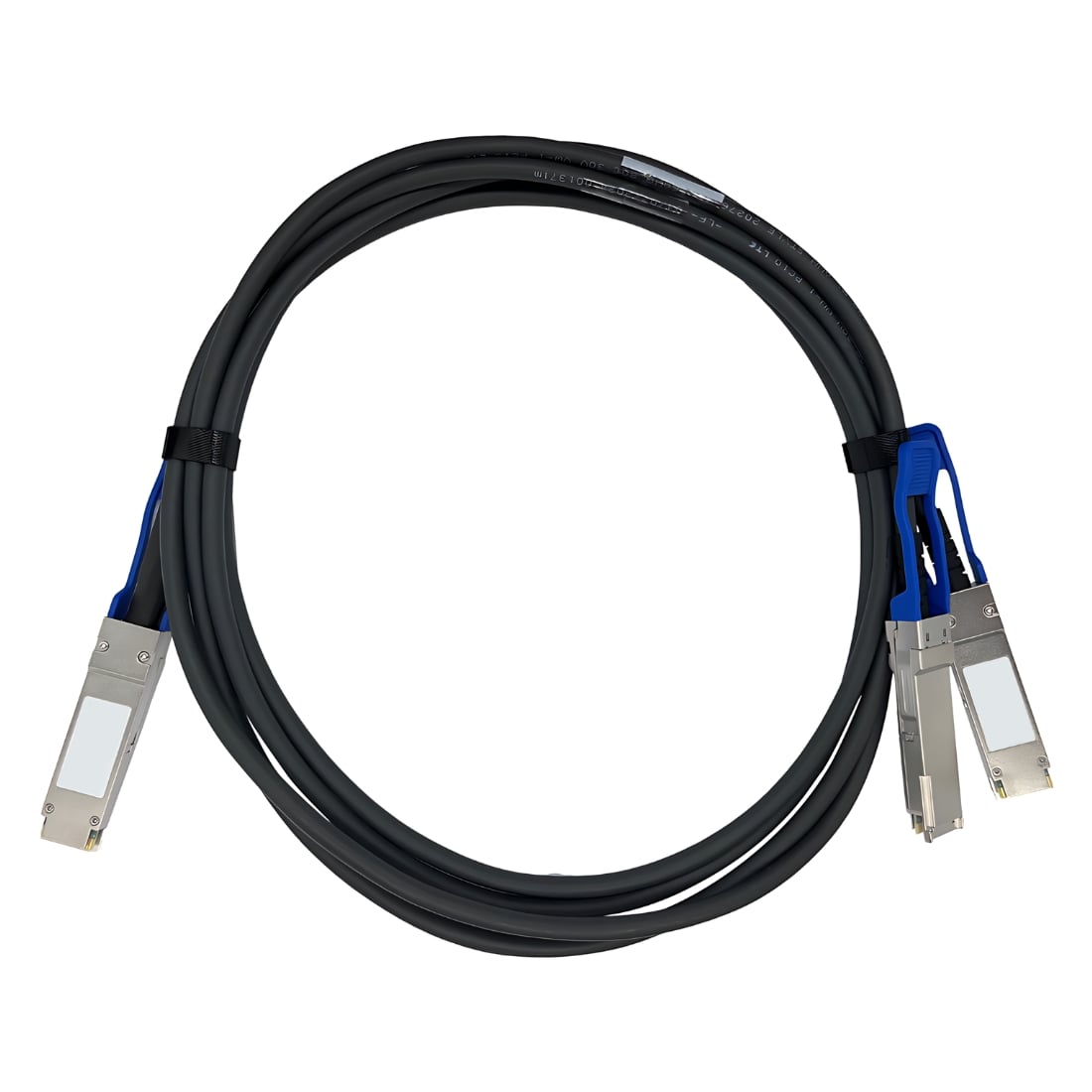
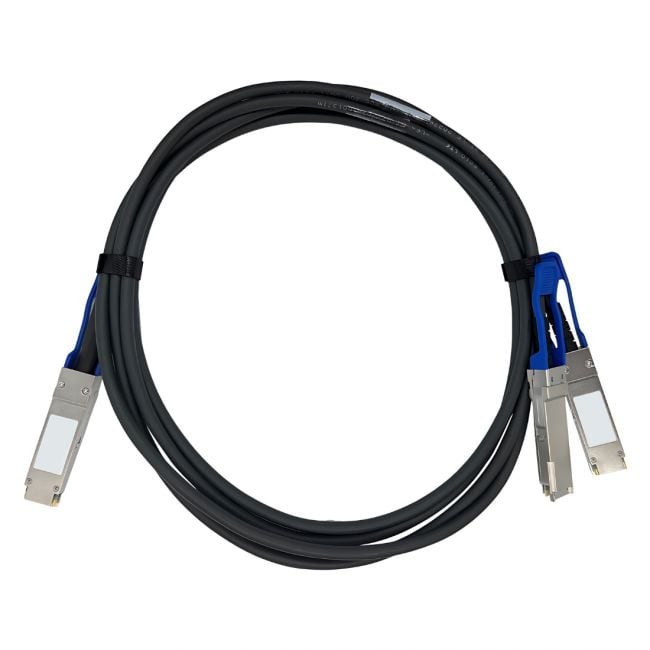
The Lenovo MCP7Y40-N01A passive copper splitter cable converts one OSFP800 interface into four QSFP112 connectors, suited for NVIDIA NDR applications. It plays a practical role in data center networks by enabling efficient bandwidth partitioning and straightforward physical connectivity between high-speed devices. |
| General Information | |
|---|---|
| Brand | Lenovo |
| Part Number | MCP7Y40-N01A |
| Alternate Part Number | MCP7Y40-N01A-12-HU |
| Technical Information | |
|---|---|
| Cable Family | Network Copper |
| Cable Type | Breakout Cable |
| Data Rate | 800Gbps (4 x 200Gbps) |
| Cable Length | 1.5m |
| Compatibility | NVIDIA NDR (OSFP800) to NDR200 (QSFP112) ports; Lenovo systems and NVIDIA NICs/switches supporting OSFP800/QSFP112 |
| product type | Passive Copper Splitter Cable |
| Product Category | Network Cables |
| Connectivity | |
|---|---|
| Connector A | OSFP |
| Cable Connector Gender | Male to Male |
| Connector Type | OSFP, QSFP112 |
| Physical Characteristics | |
|---|---|
| Form Factor | OSFP800 to 4x QSFP112 |
| Weight | 3.00 |
| Condition | Refurbished |
| Product Description |
|---|
This Lenovo splitter cable enables the connection of a single high-speed OSFP800 port to four separate QSFP112 ports. It's commonly used in data centers and networking environments to efficiently distribute NVIDIA NDRx2 signals across multiple devices or switches. Built for high-performance computing setups, this 1.5-meter passive copper cable is often found in configurations requiring reliable, low-latency connections without active signal boosting. Network engineers and system architects benefit from its straightforward integration and stable data throughput. Key Features
This cable is typically deployed within high-density server racks and switch clusters, where multiple connections stem from a single high-bandwidth port. Its role is crucial in simplifying cabling and expanding connection options without adding complexity or power requirements. |
| Use Cases |
|---|
The Lenovo MCP7Y40-N01A splitter cable is commonly utilized in high-performance data center environments where NVIDIA NDR protocols are implemented for accelerated data movement. It benefits network engineers and infrastructure architects managing scalable, high-throughput interconnects between servers and storage systems. How It's Used:
This passive copper splitter cable simplifies physical layer management by allowing a single high-rate port to serve multiple endpoints without additional active components. Its deployment contributes to optimized network topology, improved scalability, and sustained performance in NVIDIA NDR-enabled infrastructures. |
 Shipping Options
 International Delivery
Requires a UPS, FedEx, or DHL account. Customers may arrange pickup from our US warehouse.
International Delivery
Requires a UPS, FedEx, or DHL account. Customers may arrange pickup from our US warehouse.
 Payment Methods
We accept Visa, Mastercard, AMEX, Discover, and Wire Transfer.
Payment Methods
We accept Visa, Mastercard, AMEX, Discover, and Wire Transfer.
 Purchase Orders
We process purchase orders for government agencies, enterprises, data centers, and SMBs.
Purchase Orders
We process purchase orders for government agencies, enterprises, data centers, and SMBs.