

Subscribe To Our Newsletter!
Subscribe to the newsletter to stay up to date with the latest news and most useful
Newsletter
↑
Back to Top



Product Overview |
|---|
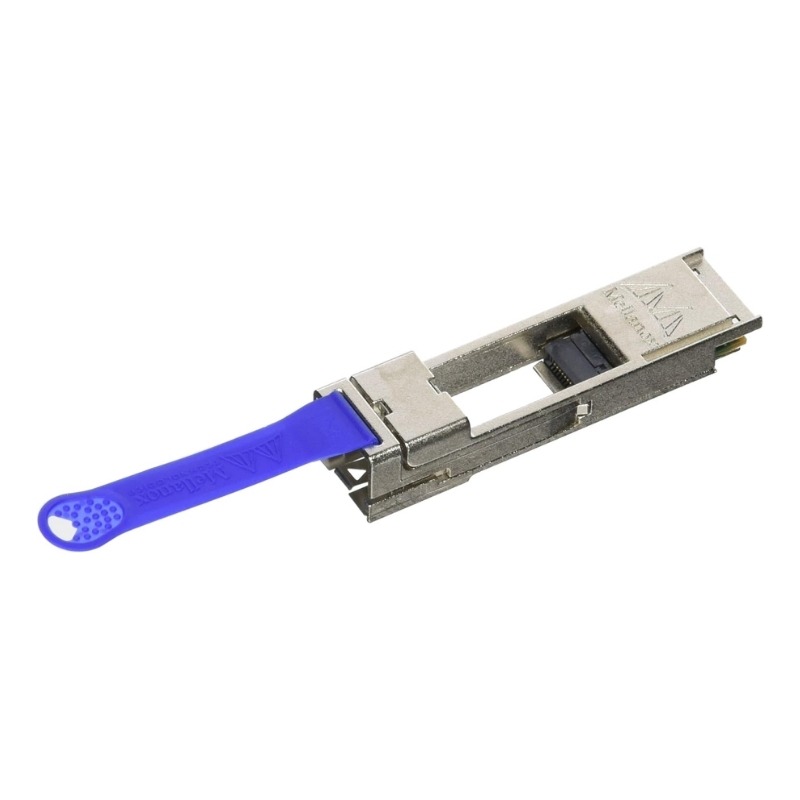
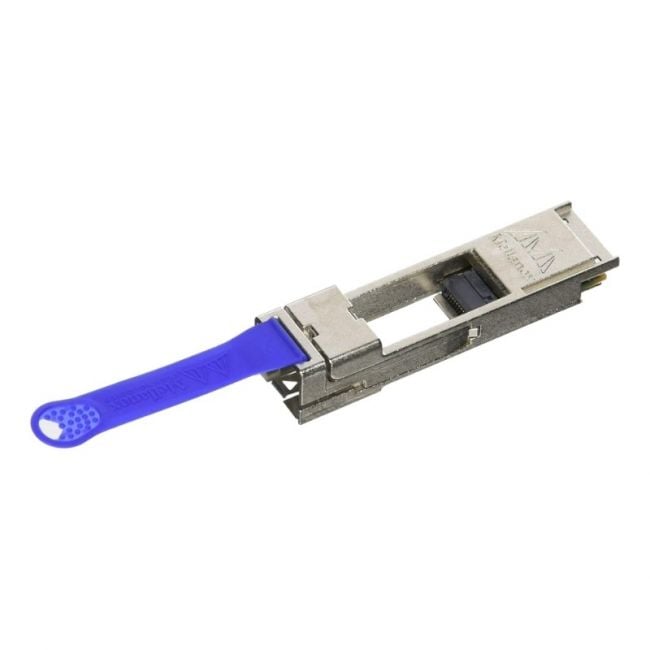
The NVIDIA MAM1Q00A-QSA-SP QSFP+ to SFP+ adapter is a reliable and efficient solution for network expansion and flexibility. With support for data rates up to 40 Gbps, it ensures high-speed connectivity across various networking applications. Designed for seamless integration with QSFP+ ports, this plug-in adapter simplifies network upgrades and optimizations, making it an essential component for data centers and enterprise environments. |
General Information |
|
|---|---|
| Brand | Mellanox |
| Part Number | MAM1Q00A-QSA-SP |
| Product Type | Transceiver Module |
Physical Characteristics |
|
|---|---|
| Weight | 5.00 |
| Condition | Refurbished |
Product Description |
|---|
The NVIDIA MAM1Q00A-QSA-SP is a high-performance QSFP+ to SFP+ adapter, designed to enable seamless connectivity between QSFP+ and SFP+ devices. As part of the Dynamic QSA series, this adapter supports data transfer rates of up to 40 Gbps, making it ideal for high-speed networking environments. Its plug-in adapter form factor ensures effortless integration with compatible devices featuring QSFP+ ports, allowing for enhanced flexibility in network configurations. Key Features
The NVIDIA MAM1Q00A-QSA-SP adapter provides a cost-effective solution for network administrators looking to optimize their existing infrastructure while maintaining high-speed data transfers. |
Use Cases |
|---|
The NVIDIA MAM1Q00A-QSA-SP adapter is commonly utilized in high-performance networking environments where QSFP+ interfaces need to be connected to SFP+ modules. This adapter is particularly advantageous for data centers and enterprise IT infrastructures that require flexible port conversions to support mixed-speed deployments or gradual network upgrades. How It's Used:
By providing a seamless physical layer conversion, this adapter supports operational scalability and efficient resource utilization in complex network architectures. It aids in minimizing hardware replacement while maintaining high throughput and reliable connectivity across diverse network segments. |
 Shipping Options
 International Delivery
Requires a UPS, FedEx, or DHL account. Customers may arrange pickup from our US warehouse.
International Delivery
Requires a UPS, FedEx, or DHL account. Customers may arrange pickup from our US warehouse.
 Payment Methods
We accept Visa, Mastercard, AMEX, Discover, and Wire Transfer.
Payment Methods
We accept Visa, Mastercard, AMEX, Discover, and Wire Transfer.
 Purchase Orders
We process purchase orders for government agencies, enterprises, data centers, and SMBs.
Purchase Orders
We process purchase orders for government agencies, enterprises, data centers, and SMBs.