

Subscribe To Our Newsletter!
Subscribe to the newsletter to stay up to date with the latest news and most useful
Newsletter
↑
Back to Top



Product Overview |
|---|
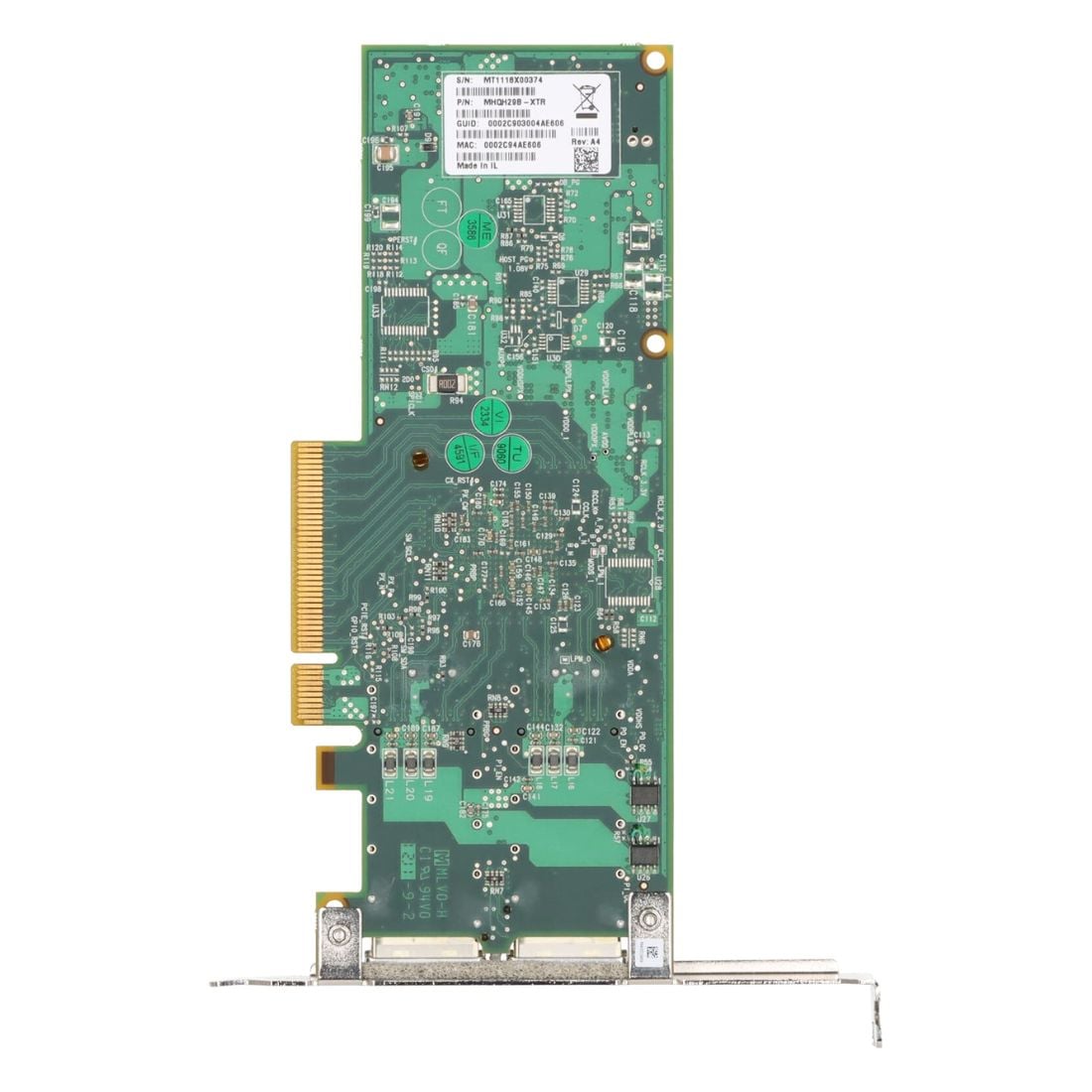
The Dell PERC H840 RAID Controller is a storage management card designed to provide fast, reliable connection between servers and SAS storage devices. It fits into low-profile PCI Express 3.1 x8 slots and features a substantial 4GB non-volatile cache, making it suitable for enterprise servers that need consistent data protection and throughput. |
General Information |
|
|---|---|
| Brand | Dell |
| Part Number | M9RY6 |
Physical Characteristics |
|
|---|---|
| Weight | 3.00 |
| Condition | Refurbished |
Product Description |
|---|
The Dell PERC H840 RAID Controller manages storage arrays with high throughput and reliability. It is built for servers requiring robust data handling, commonly found in data centers and enterprise environments where uptime and speed are critical. Often used by IT professionals and system administrators, this controller ensures efficient data processing and protection across large storage setups. Key Features
This RAID controller typically appears in Dell PowerEdge servers, enabling reliable data storage for virtualized environments, databases, and high-demand applications. It plays a crucial role in maintaining system stability and data integrity where performance matters. |
Use Cases |
|---|
The Dell PERC H840 RAID Controller is predominantly deployed in enterprise and data center environments where high-speed, reliable storage connectivity is essential. IT administrators responsible for managing large-scale virtualized workloads or mission-critical database systems benefit from its robust data protection and throughput capabilities. How It's Used:
By enabling efficient data handling and safeguarding against data loss, the PERC H840 supports scalable storage architectures and operational continuity in demanding IT settings. Its integration into server platforms helps maintain balanced performance and reliability, aligning with evolving enterprise storage requirements. |
 Shipping Options
 International Delivery
Requires a UPS, FedEx, or DHL account. Customers may arrange pickup from our US warehouse.
International Delivery
Requires a UPS, FedEx, or DHL account. Customers may arrange pickup from our US warehouse.
 Payment Methods
We accept Visa, Mastercard, AMEX, Discover, and Wire Transfer.
Payment Methods
We accept Visa, Mastercard, AMEX, Discover, and Wire Transfer.
 Purchase Orders
We process purchase orders for government agencies, enterprises, data centers, and SMBs.
Purchase Orders
We process purchase orders for government agencies, enterprises, data centers, and SMBs.